
Anex Hot Plate
Showing all 6 results
-
Anex Hot Plate, Hot Plate
Anex Deluxe Hot Plate AG-2061
0 out of 5(0)Description:
220-240 Volt
50\60 Hz
1500 Watts
2 Years WarrantyFeatures:
Metal with black color painting housing.
High quality cast iron plate with diameter: 188mm.
Thermostat and on/off double controller.
Power on light.
Thermo fuse for safety use.
Skid proof rubber feet.SKU: n/a -
Anex Hot Plate, Hot Plate
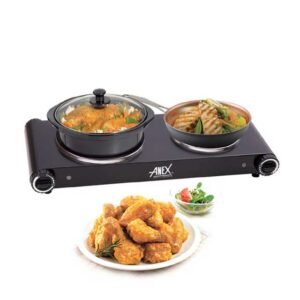
Anex Deluxe Hot Plate AG-2062
0 out of 5(0)Description:
220-240V
50/60HZ
1500W & 1000W
2 Years WarrantyFeatures:
Metal with black color painting housing, high quality cast iron plate dia 155mm+188mm.
Thermostat and on/off double controller, power on light.
Thermo fuse for safety use.
Proof rubber feet.SKU: n/a -
Anex Hot Plate, Hot Plate
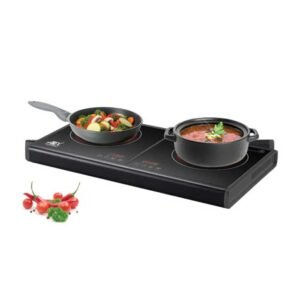
Anex Deluxe Hot Plate AG-2162
0 out of 5(0)Description:
220/240V
50/60 Hz
2000-1500W2 years warranty
Features:
Double infrared cookerHigh quality glass plate,diameter:180mm+180mm
High-temperature resistance plastics and
black gold polished panel.
PCB control temperature, easy to handle with
temperature fuse, Overheat protection.
Non-slip mat.
Functions: Stew, fry, cooking, suitable for heating.
Used for all pots such as ceramic pot,
glass pot, Metal pot…
SKU: n/a -
Anex Hot Plate, Hot Plate
Anex Deluxe Hot Plate AG-3061
0 out of 5(0)Description:
2 Years Warranty
220-240V
50/60Hz
1500W
Features:
Stainless steel material surface
High quality cast iron plate diameter:188mm
Temperature controller for adjusting the
temperature when cooking.
Power on light.
Fuse for safety overheat protection.
Skid proof rubber feet.
SKU: n/a -
Anex Hot Plate, Hot Plate
Anex Deluxe Hot Plate AG-3062
0 out of 5(0)Description:
2 Years Warranty
220-240V
50/60Hz
1500W+1000W
Features:
Stainless steel material surface.
High quality cast iron plate diameter:188mm
Temperature controller for adjusting the temperature when cooking.
Power on light.
Fuse for safety overheat protection.
Skid proof rubber feet.
SKU: n/a -
Anex Hot Plate, Hot Plate
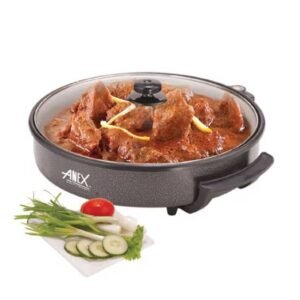
Anex Deluxe Multipurpose Pan AG-3063
0 out of 5(0)Description:
220V/240V
50/60Hz
1200W
2 Years WarrantyFeatures:
Multipurpose pan for grilling, cooking, frying and
keeping food warm. 30cm Multipurpose pan.
Adjustable thermostat. Anti-stick coating.
Heat resistance glass lid.SKU: n/a



Showing all 6 results
Anex Hot Plate in Pakistan — Single & Double Burner Models
Anex hot plates are compact electric cooktops that let you boil, fry, steam, and warm meals without a full-size stove. For many homes in Pakistan—especially flats, hostels, and offices—these portable units solve two real problems: limited kitchen space and unreliable gas supply. Whether you need a backup for load or gas outages, a primary cooking solution for a small kitchenette, or a safe heating surface for an office pantry, an Anex hot plate keeps everyday cooking simple and consistent.
At Emirates Electronics (Saddar, Karachi), we curate popular Anex single and double burner options with practical guidance rather than tech jargon. Expect straightforward controls, durable cooking surfaces, and models that plug into standard 220–240V outlets used across Pakistan. If you prefer to see the unit first, you can pick up from our Karachi location; if you’re elsewhere in Pakistan, order online and have it delivered to your city. Either way, you get the confidence of buying from a local home-appliance specialist that understands real kitchen needs and budgets.
Shop Anex Hot Plates
Quick Picks by Use
If you’re choosing an Anex hot plate for a specific situation, start with the cooking tasks you’ll do most often and the space you have. Hostel residents typically value a compact footprint, a steady thermostat, and a skid-resistant base to keep the unit stable on a study table or shared counter. Small apartments in Karachi or Lahore often look for a double burner to boil daal on one side while frying an omelette on the other, helping families save time in the mornings. Offices and pantries usually prioritize quick heat-up for tea kettles, soups, or reheating lunch without relying on a gas line.
Here’s a simple way to match a model type to your scenario without overthinking spec sheets. If you’ll mostly boil, simmer, and reheat, a single-burner cast-iron unit is budget-friendly and easy to keep consistent at low to medium heat. If you cook full meals—like boiling pasta while sautéing vegetables—a double-burner model pays off in time saved. Prefer smoother cleanup and a modern look? Consider glass/ceramic-top variants with sealed surfaces; they wipe clean faster, though they typically cost a bit more. Whichever you choose, confirm the wattage matches your usage: higher wattage generally means faster boiling, while moderate wattage favors energy-conscious simmering.
- Hostel & PG living: Single-burner hot plate with thermostat control; compact, stable, and easy to stow in a cupboard or drawer.
- Small flats & family kitchens: Double-burner model to cook a curry and roti accompaniments side by side; look for independent control knobs.
- Office & pantry use: Single-burner (cast-iron or glass top) for tea, instant noodles, and warming lunch; power light helps colleagues know when it’s heating.
In Pakistan’s 220–240V environment, these units plug into standard wall sockets, but be mindful of how many appliances share the same extension. If you’re in a hostel, place the hot plate on a sturdy, heat-resistant surface and keep the area clear of paper or plastic wrappers. Families juggling school runs and office hours often prefer a double burner: boil eggs on one plate while heating parathas on the other, then switch both to low to keep food warm while everyone gets ready.
For buyers outside Karachi, online ordering is straightforward: confirm the current model availability and delivery lead time to your city during checkout. If you’re near Saddar, you can visit our store to compare plate sizes, weight, and knob feel in person—which matters more than it seems. The right pick is the one that fits your everyday routine, not the one with the longest spec list.
Why Choose Anex Hot Plates
Anex has become a staple name in Pakistani kitchens by focusing on practical build choices: plates that heat evenly, thermostats that maintain steady temperatures, and indicator lights that make operation intuitive. Many models use cast-iron heating plates, which excel at heat retention—great for simmering daal or keeping karahi warm without constant knob adjustments. You’ll also find variants with smooth glass or ceramic tops that make post-cooking cleanup quick; if your household prefers wipe-and-go surfaces, these are worth a look. Across the range, power-on indicators and rubberized feet help with day-to-day safety and usability in tight spaces.
What sets these hot plates apart for Pakistan specifically is the balance of wattage and control. Typical single-burner units offer enough power to boil water efficiently for chai or pasta yet still step down to low heat for gentle warming. Double-burner models add flexibility: one side can run at high heat for frying while the other holds a steady simmer, reducing the time you spend cooking—handy in the morning rush or during evening homework chaos. Features like thermostat control and thermal cut-off (in applicable models) help maintain consistent temperatures and add a layer of protection against overheating. Combined with non-slip feet and compact footprints, these details make Anex a reliable choice for hostels, studio apartments, and busy family kitchens.
For buyers who worry about energy costs, the key advantage is control. Because hot plates respond quickly to knob changes, you can bring water to a boil at higher heat, then immediately reduce to medium or low to maintain a gentle simmer. This avoids running at peak power longer than necessary and keeps spatter down when frying. In Karachi’s mixed-use spaces—kitchens that also serve as laundry corners or study nooks—this precision reduces the risk of scorching food or overheating the room. It also makes it easier to repeat a recipe: note the knob level that works for your pan, and you can dial in the same result next time.
If you cook aromatics often—onions, garlic, whole spices—look for models with steady mid-range control so you can sweat and sauté without burning. For flatbreads or parathas, preheating the plate properly is more important than peak wattage; let the surface reach a stable temperature before you start, and you’ll see more even browning. For soups and stews, the benefit is long, stable low heat that doesn’t require a gas flame, which is particularly useful during gas shortages or restrictions in apartment buildings.
Compare Models & Key Specs
At-a-glance comparison
Use this quick table to understand the essentials before you dive into deeper buying advice. Availability and exact specs can vary by batch; always confirm details on the product card at checkout or by calling 0339 2009000.
| Type / Example | Power & Plate Size | Surface | Controls & Indicators | Safety & Stability | Best for |
|---|---|---|---|---|---|
| Anex Double-Burner (e.g., AG-2062) | ~1500W + 1000W; plate diameters ~155 mm + ~188 mm (cast-iron) | Cast-iron hot plates for steady, uniform heat | Independent thermostat knobs; power-on lights | Thermo-fuse; skid-proof/rubber feet | Small family kitchens; cooking two items at once; time-saving breakfasts |
| Anex Single-Burner (model varies) | Wattage varies by model; compact footprint | Typically cast-iron; some markets also include smooth glass/ceramic variants | Thermostat knob; power-on light (typical) | Non-slip feet; overheat protection on select models | Hostels, office pantries, quick reheats, making tea/instant meals |
The double-burner example above reflects a widely listed Anex configuration with dual plates, thermostat control, power indicators, thermo-fuse protection, and skid-proof feet—features commonly highlighted for the AG-2062 in market listings.
You may also encounter hot plates in the market (including some single-zone glass/ceramic-top styles) that highlight 220–240 V usage, 50/60 Hz, higher-wattage heating (e.g., ~2200 W), PCB-driven temperature steps, and a polished micro-crystal glass panel. Those product notes often advise using flat-bottom cookware and indicate multiple materials are suitable (stainless steel, iron, aluminum, ceramic, glass)—useful guidance when evaluating smooth-top variants.
What these specs mean in a Pakistani kitchen
Wattage tells you how quickly a plate can bring water or oil up to temperature. In everyday terms, a double-burner like the AG-2062 lets you boil eggs (higher-watt plate) while simmering daal (lower-watt plate), so breakfast or dinner prep can overlap—handy in busy Karachi and Lahore households. Feature sets like dual thermostats and power lights make multitasking easier and safer, which is one reason these models are popular in compact flats.
Plate size affects contact area. The ~155 mm plate is ideal for small to medium pans and milk pots; the larger ~188 mm plate supports broader frying pans or kadais. Flat-bottom cookware maximizes heat transfer and helps you avoid hot spots—a tip that applies doubly to smooth glass/ceramic tops that rely on even contact.
Thermostat control & indicators reduce guesswork. The on/off lights confirm when a zone is active; thermostats hold a steady simmer for stews and soups without scorching. On dual-plate units, independent knobs are the difference between “rush hour chaos” and “parallel cooking that just works.”
Safety & stability features—like thermo-fuse cut-off and skid-proof feet—matter in hostels and shared kitchens where counters may be crowded or slightly uneven. Rubber feet help prevent sliding when you stir vigorously or set down a heavy pot.
Pre-purchase checklist
Before you choose a specific Anex model, run through this practical list so the unit fits your space and routine:
- Cooking pattern: Single pot meals most days? Single-burner. Regularly boil plus fry at the same time? Double-burner like AG-2062.
- Counter depth & ventilation: Leave space around the unit and avoid tucking it under wall cabinets when frying.
- Cookware match: Prefer pans with flat bases. On smooth-top styles, ensure full, even contact; many market listings explicitly recommend flat-bottom pots across multiple materials.
- Cable reach & socket load: Keep the cord away from hot surfaces; avoid overloading a single extension with kettles, microwaves, or heaters.
- Cleaning style: If you want “wipe and done,” consider a smooth-top variant; if you value heat holding for simmering, cast-iron plates shine.
Buying Guide — How to Choose the Right Anex Hot Plate
Plate material & durability
Cast-iron plates are the workhorse choice for Pakistani kitchens. They heat evenly, retain warmth, and handle daily tasks like boiling chai, simmering daal, and frying omelettes with predictable results. In models like the AG-2062, the cast-iron pairing (with distinct diameters) gives you flexibility: use the larger plate for broader pans and the smaller plate for milk or tea. Because cast-iron holds heat, it’s easier to maintain a steady simmer without frequent knob changes.
Glass/ceramic panels (seen on some market hot plates) trade a little heat retention for a sealed, easy-wipe surface. If your priority is quick cleanup after making instant noodles or reheating curry, the smooth top helps. These units often highlight multi-material cookware compatibility but still emphasize flat-bottom contact for best performance—good to know if your hostel cookware is a mixed set.
Which to choose? If you cook longer dishes (haleem, slow stews) and want steady low heat, cast-iron is forgiving. If your use is light, frequent, and you value aesthetics and fast cleanup—say, a shared office pantry—smooth-top designs are convenient. Either way, favor models with sturdy housings and non-slip feet to suit the bustle of Karachi kitchens.
Power & voltage (Pakistan 220–240 V)
Pakistan’s mains voltage is 220–240 V at 50/60 Hz, and market-listed Anex hot plates align with this standard. That means you can plug into regular wall sockets without a transformer, though you should avoid sharing the same extension board with other high-draw appliances. Dual-burner units commonly pair a higher-watt plate with a lower-watt plate so you can split tasks efficiently.
Higher wattage shortens boiling time but increases instantaneous power draw. A practical workflow is: bring water or oil up to temperature on a high setting, then step down to medium or low for steady cooking. If you live in a hostel with limited circuits, this “heat then hold” approach minimizes tripped breakers and manages electricity costs, while still delivering quick chai breaks and speedy breakfasts. Some smooth-top single-zone units in the market show ratings around the ~2200 W class—faster for boiling—but remember to check your socket’s condition and avoid daisy-chaining multiple appliances.
Temperature control & safety
Practical safety and control features separate a solid hot plate from a frustrating one. On Anex double-burners like the AG-2062, independent thermostats and power-on lights help you manage two simultaneous tasks and visually confirm what’s heating—useful in busy homes where several people enter the kitchen. A thermo-fuse adds a layer of protection in the event of overheating or electrical faults, and skid-proof feet keep the unit planted when stirring or flipping.
In shared spaces, set the plate on a stable, heat-resistant surface with a clear perimeter. Keep cords away from the path of drawers and water sources, and don’t place paper packaging or plastic near the hot zone. If kids are around, favor models with obvious indicator lights so everyone can see at a glance when the plate is live. After cooking, wait until the indicator goes off and the plate cools before wiping—especially with cast-iron, which retains heat longer than it looks.
Use & Care
Best cookware & contact heating
Hot plates transfer heat by direct contact, so the flatter your pot or pan, the better your results. A simple test is to rest the pan on a table: if you can rock it with a fingertip, it’s not truly flat. On cast-iron plate models, a flat base gives you faster boiling and fewer hot spots; on glass/ceramic-top styles, it’s essential because the smooth surface expects even contact. Many smooth-top product notes specifically recommend flat-bottom cookware and mention that multiple materials—stainless steel, iron, aluminum, ceramic, even heatproof glass—can be used when the base is flat.
Match the cookware diameter to the plate: a small 155 mm plate excels with milk pots, omelette pans, and saucepans, while a larger ~188 mm plate better supports kadai-style frying or a family-sized skillet. Warped, thin, or undersized pans waste energy and tend to scorch. For parathas and rotis, preheat the plate properly before the first batch, then reduce to a steady setting; you’ll get more even browning and avoid rubbery textures. When simmering daal or soups, use lids to hold heat so you can dial the thermostat lower—saving electricity without stretching your cooking time.
Safety checklist (hostels, family kitchens, offices)
- Stable surface: Place the unit on a level, heat-resistant counter. Skid-proof/rubber feet help keep the plate planted while stirring or flipping.
- Clear perimeter: Keep paper towels, plastic wrappers, and cords away from the hot zone. Give yourself elbow room for sautéing.
- Power basics: Use a good socket; avoid daisy-chaining high-draw devices on the same extension board (kettle, heater, microwave). Unplug after use.
- Know when it’s live: Treat the power-on light as a “hot” indicator; it helps everyone in the kitchen see what’s active at a glance.
- Ventilation: When frying, avoid placing the unit directly under wall cabinets. Crack a window or switch on an exhaust fan.
- Cookware fit: Don’t use oversized, unstable pots that overhang the plate; choose a pan that sits flat and centered.
- Boil-over prevention: Keep liquids 2–3 cm below the rim; reduce heat once water reaches a rolling boil.
- Move only when cool: Let the plate cool before wiping or relocating the unit—cast-iron retains heat longer than it appears.
- Shared spaces: In hostels or offices, supervise the plate when in use. Post a reminder near the socket: “Turn knob to OFF • Unplug.”
Cleaning & maintenance
Cast-iron plate units: After switching off, wait until warm—not hot—then wipe with a slightly damp cloth and mild detergent if needed. Avoid pouring water directly on a warm plate or using abrasive scouring that can damage coatings. For stubborn residue, let the plate cool fully and use a non-scratch pad. Never immerse the appliance; moisture in the housing can shorten component life. When stored, keep the cord loosely coiled and the knobs at the OFF position.
Glass/ceramic-top styles: Let the surface cool, then use a soft cloth with a little dish soap. Because the panel is sealed and smooth, most splatters come off with a couple of passes; for dried starches, dampen and wait a minute before wiping. Avoid metal scrapers that can mar the micro-crystal panel; use non-abrasive tools instead. These surfaces are popular for quick, daily cleanup—one reason many buyers choose them for office pantries and compact apartments.
Routine care: Every few uses, check that rubber feet are intact and the cord shows no kinks or heat damage. If you often make tea on high heat, adopt a “heat-then-hold” habit: bring to boil on a higher setting, then immediately reduce to medium-low to prevent sugar and milk scorching. This simple workflow keeps the plate cleaner and reduces burnt smells—especially important in small Karachi kitchens.
Price & Availability in Pakistan
Live pricing policy
Appliance pricing in Pakistan can shift with exchange rates, import costs, and seasonal demand. Because of this, Anex hot plate prices are updated on the product card at checkout; if you need confirmation, call 0339 2009000. We avoid quoting “fixed” prices for future dates—what you see online is the best available information at that moment. If a model is temporarily out of stock, the product card will reflect that and you can ask about restock timelines by phone.
Delivery & pickup
For Karachi customers who prefer in-person shopping, you can collect from Office No 206, 2nd Floor, Seema Electronics Centre, Abdullah Haroon Road, Saddar, Karachi. Inspect the unit, confirm the model number, and check the box contents before leaving. For nationwide buyers, order online and select your city at checkout; shipping timelines vary by location and courier workload. When the parcel arrives, keep the outer carton and invoice until you’ve tested the unit. If the box shows transit damage, notify the courier and us immediately before plugging in the device.
Tips to stretch your budget
- Prioritize features you’ll use: If you mainly boil and reheat, a reliable single-burner with thermostat and power light is usually enough.
- Plan your cookware: Matching pan size to plate can cut energy use; lids speed up boiling so you can drop to a lower setting sooner.
- Watch for bundle deals: Occasional promos may pair hot plates with kettles or basic cookware; compare the bundle price to individual items before buying.
- Avoid too-good-to-be-true pricing: Extremely low prices can signal non-genuine units. Favor authorized sellers and verified invoices.
Warranty & Authenticity
Brand warranty (Pakistan)
Warranty coverage is as per Anex’s manufacturer policy for Pakistan. The exact duration and terms are printed on the warranty card or inside the user manual for your specific model. To protect your coverage, keep the original invoice and ensure the warranty card (if included) is stamped and dated at the time of purchase. For any support questions, contact us at 0339 2009000 and we’ll guide you through next steps or direct you to the relevant service channel. (Because policies can change, we don’t publish fixed durations here; please refer to the document in your box.)
Original vs counterfeit checks
- Packaging & printing: Look for clean, high-resolution print and consistent fonts; model numbers and specs should be legible and match the product label.
- Model verification: Check the exact model code on the product and carton (e.g., AG-####). Details like plate size, thermostat dials, and indicator lights should align with the printed specs.
- Build quality: Inspect the knobs for smooth rotation with clear detents, rubber feet for firm grip, and the cord for proper strain relief.
- Authorized sellers: Buy from reputable stores that issue stamped invoices and can assist with warranty verification.
After-sales support
Keep your invoice handy and note the purchase date. If performance changes (slow heating, unusual smells, flickering indicator), stop using the unit, unplug it, and contact support. Describe the symptom, the cookware used, and the knob setting when it occurred—these details help technicians diagnose quickly. For minor issues like food spills and light residue, follow the cleaning guidance above before assuming a fault.
FAQs — Anex Hot Plate in Pakistan
Are Anex hot plates energy-efficient for daily use?
They can be—what matters is how you use them. Bring liquids or oil to temperature on a higher setting, then step down to medium/low for steady cooking. Lids, flat-bottom pans, and matching pan size to the plate help reduce wasted heat and shorten cook times. For tea and quick breakfasts, this “heat-then-hold” routine keeps bills sensible without sacrificing speed.
What’s the difference between an Anex electric hot plate and an induction cooktop?
Most Anex hot plates sold locally are resistive (non-induction) units that heat the plate itself and then your pan via contact. Induction heats the pan directly but requires compatible cookware with ferromagnetic bases. If your household has mixed cookware (aluminum, stainless, glass), a non-induction hot plate offers broader compatibility as long as the base is flat.
Is a portable hot plate safe for hostel rooms?
Yes, with basic precautions. Place it on a heat-resistant surface, keep the area clear, and avoid sharing one extension board with multiple high-draw devices. Choose a unit with a clear power light and a stable base; supervise while it’s on and unplug after use. This setup is popular with hostel residents across Pakistan for fast chai, noodles, and simple meals.
Can I make full Pakistani meals (curries, rice, rotis) on a hot plate?
Yes. For curries and rice, preheat, bring to a gentle boil, then lower to a steady simmer. For parathas and rotis, preheat the plate fully and use a flat, appropriately sized tawa to get even browning. A double-burner lets you boil on one side and finish the tadka or flatbread on the other.
How do I avoid burning onions and spices?
Use mid-range thermostat settings and give the plate 1–2 minutes to stabilize before adding aromatics. Stir regularly and avoid thin, warped pans that cause hot spots. If browning too fast, reduce heat and add a splash of water to moderate the sizzle without losing flavor.
What is the Anex hot plate price in Pakistan and why does it change?
Prices reflect exchange rates, shipping, and availability, so they can fluctuate. We show current prices on the product card at checkout, which is the best place to confirm today’s rate. You can also call 0339 2009000 for a quick check before purchasing.
Is there an Anex hot plate with temperature control?
Yes. Most models include thermostat dials for stepwise temperature control and power-on lights so you can see when the zone is active. On double-burners, the two plates usually have independent controls, making parallel cooking easier.
Which Anex model is best for small family kitchens?
A double-burner is the most flexible for families: boil on one plate while simmering on the other. Look for non-slip feet, clear indicator lights, and sturdy knobs. If you’re space-limited, a compact single-burner still handles tea, omelettes, and quick reheats well.
Does cookware material matter on Anex hot plates?
Not as much as the base shape. Flat-bottom pans get the best contact and heat transfer on both cast-iron plate and glass/ceramic-top variants. Stainless steel, iron, aluminum, ceramic, and heatproof glass can work if the base is flat; avoid warped or undersized pans.
Can I shop Anex hot plates online in Pakistan?
Yes—order directly from our website and choose delivery to your city, or pick up at Saddar, Karachi if you want to inspect in person. Always keep your invoice and (if included) stamped warranty card for future service.
Do Anex hot plates come with warranty in Pakistan?
Warranty follows Anex’s official policy for Pakistan and is documented in your box (warranty card or user manual). Retain the invoice and ensure any included card is stamped/date-marked at purchase.
What if I see an Anex hot plate on a marketplace like Daraz?
Marketplaces can list a mix of sellers. Verify that the seller is reputable, products are genuine, and warranty support is clearly stated. When in doubt, purchase from trusted sources and keep all paperwork for service claims.
How do I keep my hot plate clean day-to-day?
Wipe after the plate has cooled. Cast-iron plates: slightly damp cloth, no soaking or abrasive scouring. Glass/ceramic tops: soft cloth with mild soap; for dried spills, dampen and wait a minute before wiping. This routine keeps performance consistent and extends product life.
What should I check when the parcel arrives?
Inspect the carton, match the model code on the box with the product label, and check that the cord and feet are intact. Keep the packaging and invoice until you’ve tested the unit. If you notice transit damage, contact the courier and us before plugging it in.
Is an Anex hot plate suitable as a backup during gas shortages?
Absolutely. That’s one of the most common reasons households buy a hot plate. They’re compact, easy to set up, and can maintain a steady simmer without needing a gas flame. Just be mindful of electrical load if other high-draw appliances share the same circuit.
Is there a model with precise temperature control for milk and soups?
Look for models with clear thermostat steps and responsive knobs. For milk and soups, the ability to lower heat quickly after boiling is more important than the highest wattage. A double-burner also helps—use one plate for quick boils and the other for gentle holding.
Related Categories
Explore more Anex appliances and adjacent categories that pair well with hot plates: