




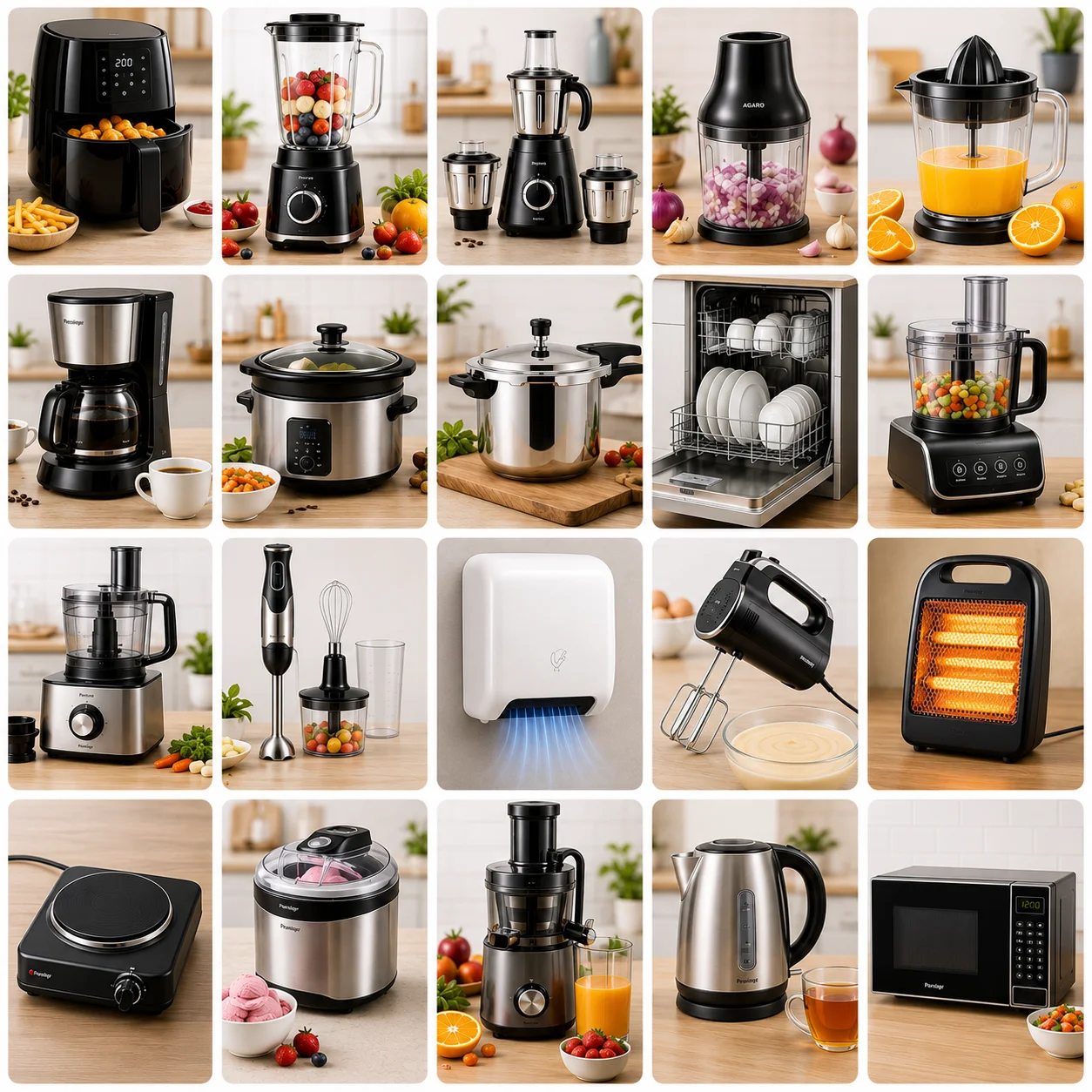


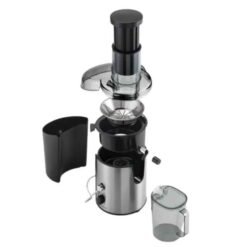
Citrus Juicer
Citrus Juicer in Pakistan — Electric & Manual Orange/Lemon Juicers
If you love fresh nimbu pani, orange juice for breakfast, or quick vitamins for school runs and sehri, a dedicated citrus juicer makes it simple. This category brings together electric and manual options for lemons, limes, kinnow, grapefruit, and more—covering everyday home needs and small café setups. Below you’ll find clear guidance on types, capacities, and the features that actually matter in Pakistan’s kitchens.
Shop by Type
Electric citrus juicers
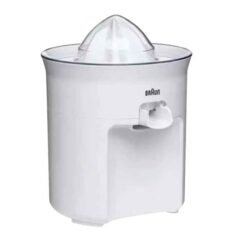
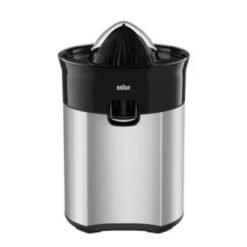
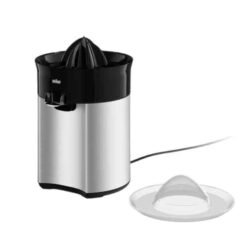
Electric models are the fastest route to fresh juice with minimal effort. A small motor powers a reamer: just press the halved fruit on top, and the cone rotates to extract juice. Look for practical touches like automatic start/stop, anti-drip spouts, and a stable base so the juicer doesn’t move around your counter. For families who juice regularly or anyone dealing with large batches of kinnow, electric saves time and reduces hand strain.
Most home units prioritize ease of use and cleanup. Detachable parts rinse quickly, and some models offer reverse rotation for better yield from tougher peels. If you often switch between lemons and oranges, a two-cone set (small + large) keeps extraction efficient. Electric is also the better choice if you want a consistent texture and plan to use a fridge-ready jug for serving guests during Eid brunches or weekend get-togethers.
Manual citrus press / handheld
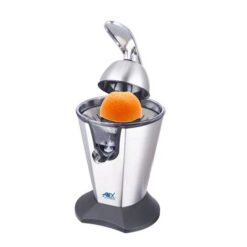
Manual options range from handheld squeezers to countertop lever presses. They’re quiet, compact, and reliable during electricity outages—useful if you want a fresh glass during load-shedding, or you’re juicing modest quantities for a salad dressing or a quick lemonade. With handheld squeezers, you press the handles to compress the citrus; with lever presses, you lower a handle that multiplies your force over a reamer or strainer.
Manual juicers excel at control: you can avoid bitter pith and keep seeds out by pressing steadily rather than twisting aggressively. They’re easy to store in small Karachi and Lahore kitchens, and they travel well for picnics or office use. If you mostly juice 1–2 lemons at a time or prefer very low noise, manual is a smart, budget-friendly pick that still delivers excellent flavor.
Commercial-grade options
Commercial citrus juicers are built for long duty cycles—great for cafés, juice bars, and restaurants offering orange or grapefruit juice all day. Expect heavier bodies, metal gearing, and continuous-flow spouts feeding directly into pitchers. They’re designed to run longer without overheating and to withstand repeated, high-pressure use.
While these machines cost more upfront, they’re about throughput and durability. If your home regularly hosts large family gatherings or you do small-scale catering, a commercial-leaning model can reduce downtime, keep quality consistent, and handle large kinnow batches in peak season. Make sure your counter has the space and that cleanup remains practical for your routine.
Shop by Capacity & Use
Single-serve (one glass)
If your routine is a quick glass—pre-gym lemonade, school tiffin support, or a small vitamin boost at sehri—look for compact designs with a cup or small jug (under ~0.7L). Single-serve juicers are light, easy to move, and fast to clean. They’re ideal for apartments where counter space is tight and every appliance must earn its place.
Single-serve units also work well as a second juicer for sour limes and lemons you don’t want mixing with sweet orange juice. Keep a small handheld squeezer in the drawer for cooking tasks, and use the single-serve electric when you want a clean, pulp-controlled glass without wrist strain.
Citrus juicer with 1-liter jug
A citrus juicer 1 liter jug strikes a great balance for families. You can batch juice oranges for breakfast, store the jug in the fridge, and pour as needed. It’s a convenient size for 3–5 servings, Ramadan iftars, or weekend brunch. Many 1-L designs include measurement markings, lids, and pulp filters to match personal texture preferences.
If you host often, a 1-L jug avoids constant refills and lets you prep ahead. Pick models with sturdy handles and anti-drip spouts for mess-free serving. When comparing, check how securely the jug locks to the base and whether the lid seals well to prevent fridge odors from affecting your juice.
1.5L+ or continuous-flow
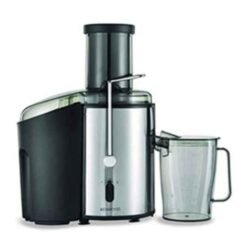
For larger households, home events, or small business use, a 1.5L+ jug or continuous-flow spout is helpful. Continuous-flow designs dispense directly into a pitcher, which is faster when juicing many kinnows or grapefruits. You’ll typically see stronger motors in this tier, plus reinforced parts to handle longer extraction sessions.
Before choosing, consider your sink size and drying rack; bigger juicers add convenience but need more space for washing and storage. Also think about noise tolerance—bigger motors can be louder. If your priority is speed for guests or daily café service, the convenience of continuous-flow will outweigh the extra footprint on your countertop.
Quick internal path to products
To start browsing actual items, explore our live in-stock selection here: Anex Citrus Juicer. This subcategory is part of our main Kitchen Appliances catalogue and is updated with current availability.
Key Features (What to Look For)
Pulp control & filters
Texture matters. If your family prefers a smooth glass, choose a citrus juicer with pulp control—models with adjustable strainers let you pick fine, medium, or coarse settings. A fine mesh captures seeds and pith so lemonade stays bright, not bitter. For kinnow and larger oranges, a medium setting balances yield and mouthfeel, especially when serving kids who dislike “bits” in juice.
Filters should lift out easily for a quick rinse. If you often alternate between lemon and orange, look for two-piece filtration (a coarse catch plus a finer insert) so you can swap depending on fruit size and ripeness. On electric units, a reverse-rotation option helps move pulp across the mesh, improving extraction without overworking the motor.
Build & materials
Materials influence durability and taste neutrality. Stainless steel citrus juicers—whether the cone, strainer, or body—resist staining and hold up better to frequent, high-pressure use. They’re a smart pick for daily orange juice or mini café service at home. Food-grade plastics keep weight and cost down, and modern plastics are easy to clean; just avoid harsh scrubbers that can cloud or scratch them over time.
Check the reamer (cone) profile. Sharper ribs bite into lemons and limes without tearing the peel, while broader ribs suit oranges and grapefruit. A metal reamer can withstand more pressure from hard kinnow; plastic is fine for occasional home use. If you juice hot lemons for kahwa or herbal drinks, confirm the parts are temperature-safe per the product page rather than assuming.
Convenience
Small details add up. An anti-drip spout prevents sticky rings on the counter; a locking lid lets you keep a jug in the fridge without absorbing smells. Cord storage helps if you only juice on weekends and don’t want cables cluttering your workspace. For households switching between lemons and oranges, dual reamer sizes reduce waste and keep yield consistent.
Cleanup should be no-nonsense. Favor designs with fewer crevices and dishwasher-safe parts (top rack) if the manufacturer allows. A clear jug with measurement marks is practical for recipes—think 120 ml lemon juice for marinades or 250 ml for lemonade. If you make multiple rounds for guests, a continuous-flow spout straight into a pitcher saves time.
Power & noise
For electric models, motor power helps with tougher peels and longer sessions, but more watts aren’t always “better.” Light daily use (a couple of glasses) doesn’t require a heavy motor. If you batch-juice kinnow in winter, a stronger motor will maintain speed without straining. Expect some hum; rubber feet and a solid base reduce vibration on stone or steel counters common in Pakistan kitchens.
Noise tolerance is personal. If you juice early mornings before school, prioritize smoother motors and a stable chassis over sheer power. Reverse-rotation can boost yield at lower speeds, and some designs engage only when pressed—quieter idle time between fruits. When comparing, focus on extraction consistency and comfort in use rather than chasing a wattage figure alone.
Safety & hygiene
Look for food-grade materials and smooth finishes that rinse clean. A covered reamer keeps dust off when stored. If you have kids helping in the kitchen, an auto-start/stop clutch (runs only under pressure) is safer than constantly-on motors. Non-slip feet and a stable handle on the jug reduce spills during Ramadan prep when counters are busy.
Good hygiene design means fewer hidden corners. Removable parts should separate without force and reassemble intuitively. If a brand claims BPA-free plastics, the product page should state it clearly—avoid guessing. Dry parts fully to prevent odors; citrus oils are fragrant but can linger on porous surfaces if not washed and dried promptly.
Shop by Brand (Popular in Pakistan)
Philips
Philips citrus juicers are known for simple controls and tidy design: press to start, lift to stop, pour from a drip-resistant spout. They’re a strong fit for families who want consistent results without tweaking settings every time. Many units pair a compact footprint with a fridge-friendly jug—handy when you prep ahead for sehri or school mornings.
When browsing models, compare reamer sizes and how the pulp filter is adjusted (slider vs interchangeable mesh). For price and availability—search terms like philips citrus juicer price in Pakistan—always check the live product listing for current stock and official warranty notes rather than relying on third-party claims. Delivery and COD policies will be listed per item.
Kenwood
Kenwood leans into practical power and stable builds—useful for longer kinnow sessions. If you like slightly pulpy orange juice, look for adjustable strainers that don’t clog under continuous use. The brand’s everyday models prioritize easy disassembly so you can rinse and reset between lemons and oranges without flavor carry-over.
Consider jug capacity: if you host weekend breakfasts, a larger jug reduces refills. For shoppers tracking kenwood citrus juicer price in Pakistan, compare the feature deltas (jug size, reamer material, anti-drip) rather than only wattage; that’s a clearer indicator of value for home use.
Braun
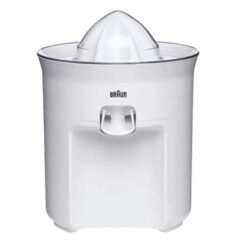
Braun typically emphasizes efficient cones and clean industrial styling. Expect smooth starts and a controlled ramp-up that extracts without tearing. If your kitchen favors understated appliances, Braun’s compact profiles fit neatly against a backsplash and are easy to store when counter space is tight.
On the practical side, look at cable storage and lid design; tidy storage keeps everything in one place so you actually use the juicer daily. To judge value beyond specs, weigh convenience features (reverse rotation, jug markings, filter ease) against the current braun citrus juicer price in Pakistan on the product page.
Westpoint
Westpoint offers accessible options for budget-minded homes and student apartments. You’ll often find straightforward controls and the essentials: a reliable reamer, basic filtration, and a jug that’s easy to pour. For quick lemonade, these models keep the process fast and cleanup simple.
If you’re comparing westpoint citrus juicer price in Pakistan lines, scan for anti-drip and non-slip feet, which noticeably reduce messes on smooth countertops. Value-oriented doesn’t have to mean flimsy—pick units with a sturdier base and clear, easy-fit parts to avoid frustration.
Anex
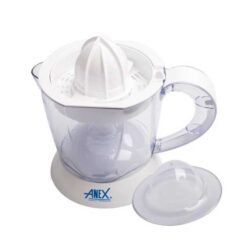
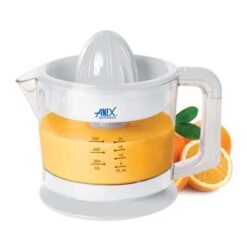
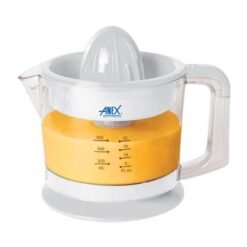
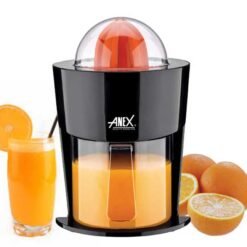
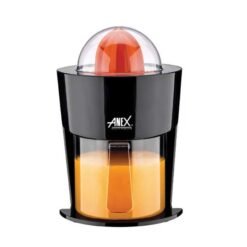
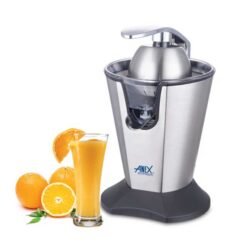
Anex is common in local kitchens for its practical feature–price balance. The brand’s citrus juicers often include dual reamers for lemon and orange, plus intuitive pulp filtering so everyone in the family gets the texture they prefer. If you prepare larger batches for iftar or guest service, check for jugs near the 1-liter mark to reduce trips to the sink.
For shoppers tracking anex citrus juicer price in Pakistan, assess material upgrades (stainless strainers, sturdier lids) rather than just motor specs. A tougher strainer and better spout geometry can matter more to everyday convenience than a small wattage jump on paper. Availability and any local warranty support will be shown on the product listing.
Price Guide in Pakistan (What Affects the Price)
Budget range — manual & basic electric
Entry-level options include handheld manual squeezers and compact electric juicers with a single cone and basic filtration. You’re paying for essential extraction rather than bells and whistles. If you mostly make lemonade or need quick lime juice for recipes, this tier delivers clean results with minimal parts to wash. Expect lighter bodies and simpler lids; they’re easy to store in apartments and student flats.
What keeps the price low? Fewer accessories (one cone instead of two), smaller jugs, and plastic strainers rather than stainless. For occasional use—two glasses on a Sunday—these are great value. If you juice daily through kinnow season, consider stepping up for sturdier parts and a larger jug to reduce refills.
Mid-range — larger jugs, better filtration
Mid-tier citrus juicers usually add a 0.8–1.0 litre jug, adjustable pulp control, and a more stable base. The convenience leap is noticeable: markings on the jug for recipes, anti-drip spouts for tidy counters, and sometimes dual cones for lemons and oranges. For families prepping juice for breakfast or iftar, this tier balances speed, comfort, and cleanup time.
What you’re paying for: improved ergonomics (better handles, lids that seal for fridge storage), stronger strainers that don’t clog easily, and reamers that work well with both small lemons and big oranges. If you’re seeking the “best citrus juicer in Pakistan” for a typical household, mid-range models often hit the sweet spot of features-to-price.
Premium — stainless steel & commercial-leaning
Premium picks may include stainless steel strainers and cones, continuous-flow spouts for pitchers, and heavier-duty motors or lever mechanisms. Durability, throughput, and comfort over longer sessions justify the higher price for cafes, home entertainers, or families juicing daily. Stainless parts resist staining and keep flavors clean over time, especially when juicing strong, aromatic peels.
What you’re paying for: robust materials, efficient extraction with less wrist effort, and parts that keep performing under frequent use. If you batch-juice kinnow on weekends or run a small juice counter, the long-term comfort and reliability often outweigh the upfront cost.
Why prices vary (Pakistan-specific factors)
Real-world price tags fluctuate. Availability, import cycles, promotions, currency changes, and seasonal demand (winter oranges, Ramadan bundles) can nudge prices up or down. Brand-specific warranty support and local parts availability also influence value. That’s why we don’t freeze prices here; instead, compare live product listings by brand, jug size, and material.
For clarity when browsing, use terms like citrus juicer price in Pakistan, electric citrus juicer price in Pakistan, orange juicer machine price in Pakistan, and lemon juicer price in Pakistan, then weigh features—pulp control, reamer material, jug size, and build quality—against the current ticket. Prioritize models that match your routine rather than chasing specs that won’t matter in daily use.
Quick Compare (Decision Helper)
Use this plain-HTML table to choose the right type for your kitchen or business.
| Criteria | Manual (Handheld/Lever) | Electric (Home) | Commercial |
|---|---|---|---|
| Speed | Slow–Moderate (one glass at a time) | Fast for families; steady batches for guests | Very fast; continuous service |
| Effort | Hand pressure; lever reduces strain | Low effort; press to start | Very low; engineered for throughput |
| Noise | Near-silent | Low–Moderate motor hum | Moderate; robust mechanisms |
| Yield | Good with technique; best for lemons/limes | Consistent for lemons–grapefruit | High, built for long sessions |
| Cleanup | Very quick; minimal parts | Quick; dishwasher-safe parts (if allowed) | More parts; designed for frequent washing |
| Best for | Small kitchens, recipes, power cuts | Families, daily breakfast, iftars | Cafés, juice bars, events |
| Jug capacity | Cup-by-cup | 0.7–1.0 L typical | Pitcher/continuous |
| Price tier (relative) | Budget–Mid (lever presses can cost more) | Budget–Premium depending on materials | Premium |
| Durability | Good; fewer moving parts | Good–High; varies by brand/material | High; metal gearing/heavy-duty |
| Counter space | Minimal; easy to store | Compact–Medium footprint | Larger; needs stable station |
| Power required | No electricity | Yes (standard home socket) | Yes; designed for continuous use |
Care & Maintenance (Longer Life, Better Taste)
Daily cleaning in 2–3 minutes
Right after juicing, rinse the cone, strainer, and jug under warm water so pulp doesn’t dry and stick. For electric models, unplug first and avoid submerging the motor base. A soft brush removes pulp from mesh without scratching. Reassemble and air-dry on a rack; a quick wipe of the base prevents citrus oil residue on the counter.
If your model is marked dishwasher-safe (top rack), that’s fine for the jug and strainer, but read the product page before assuming. Harsh detergents and very hot cycles can cloud some plastics over time; hand-washing extends clarity. Stainless steel parts resist staining—use a non-scratch sponge.
Descaling & deodorizing
Hard water leaves mineral spots; a mild vinegar solution (well diluted) removes them. For lingering citrus aromas, a paste of baking soda and water works on plastic jugs—rinse thoroughly to keep flavors neutral. Always avoid abrasive metal scrubbers on plastic parts; they create micro-scratches that trap odors.
For lever presses and commercial units, check the manual for any lubricant points or cautions. Wipe metal arms and hinges to prevent sticky build-up from citrus oils, which can attract dust in busy kitchens.
Technique tips to avoid bitterness
Bitterness usually comes from the white pith and crushed seeds. Cut fruit cleanly, press steadily rather than grinding hard, and let the reamer’s ribs do the work. For very thick-peel kinnow or grapefruit, a brief, lighter press followed by a second pass often extracts more without shredding the pith. Adjust pulp control toward medium for a fuller mouthfeel without seed fragments.
Prefer sweeter glasses? Roll oranges gently on the counter before cutting to loosen juice sacs. Chill fruit beforehand for a refreshing, less foamy pour, especially when serving guests in summer.
Storage & safety
Use lidded jugs to prevent fridge odors and oxidation. Most fresh citrus juice is best the same day—vitamin brightness fades. Keep cords wrapped and out of reach of kids; pick models with non-slip feet and auto-start/stop so the cone only spins under pressure. If a part cracks, replace it rather than taping—sharp edges can cut and harbor bacteria.
Warranty coverage and spare parts vary by brand and model; always check the live product page for current terms. When in doubt, call the store for confirmation before purchase so your expectations match the official policy. That transparency helps you compare value across brands without surprises later.
FAQs
What is pulp control, and who needs it?
Pulp control adjusts how much fiber passes into your glass. If your family likes smooth lemonade, set it to fine so seeds and pith are caught. If you enjoy a fuller texture for breakfast orange juice, medium lets more pulp through without letting seeds slip by. Coarse suits those who prefer a rustic, thicker pour.
Which is the best citrus juicer in Pakistan for small kitchens?
“Best” depends on use. In tight apartments or hostels, a compact electric with a 0.7–1.0L jug offers quick servings and easy storage. For the absolute smallest footprint, a handheld press fits in a drawer and works even during load-shedding. Prioritize anti-drip spouts, non-slip feet, and parts that click together intuitively so you’ll actually use it daily.
Is stainless steel worth the upgrade?
Yes if you juice frequently, prefer neutral taste over time, or want extra durability. Stainless strainers and cones resist staining from strong peels and tolerate firm pressure during long kinnow sessions. If you juice occasionally, food-grade plastics are fine—just avoid abrasive scrubbing that can dull surfaces.
Will a citrus juicer work for kinnow and blood oranges?
Absolutely. Choose the larger cone for bigger fruits and a medium pulp setting for a richer glass. If the peel is thick, let the cone do the work—steady pressure yields more juice without tearing pith, which can turn the juice bitter.
Can I juice pomegranate in a citrus juicer?
Generally no—citrus juicers are designed for halved citrus pressed onto a rotating cone. Pomegranate requires a different extraction method. If a manufacturer explicitly supports it, follow the product manual; otherwise, use a dedicated pomegranate press or blender method to avoid damaging the juicer.
What wattage do I need?
For one to two glasses daily, modest motors are fine. If you batch-juice in winter or prep for guests, a stronger motor helps maintain speed and consistency. Don’t focus on watts alone—look for stable bases, reverse rotation, and reamer options that match lemons through grapefruit.
How do I avoid bitterness in lemon or orange juice?
Don’t grind hard into the white pith, and avoid crushing seeds. Press evenly and let the ribs extract. For thick peels, do two gentler passes instead of one aggressive twist.
Manual or electric during load-shedding?
Manual handheld or lever presses shine when you have no power. They’re quiet, compact, and perfect for one or two quick glasses. If you typically juice for the family, keep an electric model for everyday use and a manual backup for outages.
Do you offer COD and delivery across Pakistan?
Yes—availability and charges vary by item and location. Check each product page for COD eligibility and delivery timelines, or call us for confirmation before checkout. Karachi customers can ask about same-day or next-day delivery windows depending on stock and time of order.
How can I confirm brand warranty and parts availability?
Warranty terms and spare-part support vary by brand and model. Always review the live product listing for official details, and keep your invoice for claim support. If you’re comparing models, call us for brand-wise guidance before purchase.
Pulp control adjusts how much fiber passes into your glass. If your family likes smooth lemonade, set it to fine so seeds and pith are caught. If you enjoy a fuller texture for breakfast orange juice, medium lets more pulp through without letting seeds slip by. Coarse suits those who prefer a rustic, thicker pour.“Best” depends on use. In tight apartments or hostels, a compact electric with a 0.7–1.0L jug offers quick servings and easy storage. For the absolute smallest footprint, a handheld press fits in a drawer and works even during load-shedding. Prioritize anti-drip spouts, non-slip feet, and parts that click together intuitively so you’ll actually use it daily.Yes if you juice frequently, prefer neutral taste over time, or want extra durability. Stainless strainers and cones resist staining from strong peels and tolerate firm pressure during long kinnow sessions. If you juice occasionally, food-grade plastics are fine—just avoid abrasive scrubbing that can dull surfaces.Absolutely. Choose the larger cone for bigger fruits and a medium pulp setting for a richer glass. If the peel is thick, let the cone do the work—steady pressure yields more juice without tearing pith, which can turn the juice bitter.Generally no—citrus juicers are designed for halved citrus pressed onto a rotating cone. Pomegranate requires a different extraction method. If a manufacturer explicitly supports it, follow the product manual; otherwise, use a dedicated pomegranate press or blender method to avoid damaging the juicer.For one to two glasses daily, modest motors are fine. If you batch-juice in winter or prep for guests, a stronger motor helps maintain speed and consistency. Don’t focus on watts alone—look for stable bases, reverse rotation, and reamer options that match lemons through grapefruit.Don’t grind hard into the white pith, and avoid crushing seeds. Press evenly and let the ribs extract. For thick peels, do two gentler passes instead of one aggressive twist.Manual handheld or lever presses shine when you have no power. They’re quiet, compact, and perfect for one or two quick glasses. If you typically juice for the family, keep an electric model for everyday use and a manual backup for outages.Yes—availability and charges vary by item and location. Check each product page for COD eligibility and delivery timelines, or call us for confirmation before checkout. Karachi customers can ask about same-day or next-day delivery windows depending on stock and time of order.Warranty terms and spare-part support vary by brand and model. Always review the live product listing for official details, and keep your invoice for claim support. If you’re comparing models, call us for brand-wise guidance before purchase.
