



Coffee Maker
Coffee Makers in Pakistan — Shop by Type, Compare Features & Choose the Right Machine
Shop Coffee Makers by Type
Espresso Machines (manual & semi-automatic)
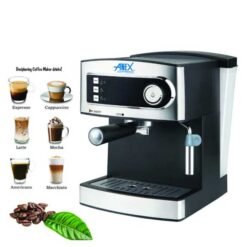
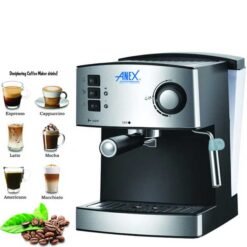
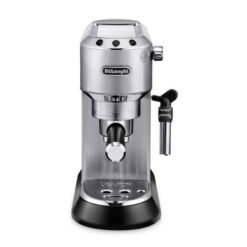
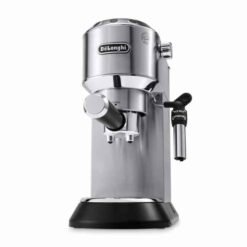
Espresso machines extract concentrated coffee by forcing hot water through finely ground beans at high pressure. For home use in Pakistan, look for machines with stable temperature control and a proper portafilter, because consistency across morning shots matters more than headline “pressure bar” numbers. A simple single-boiler model can serve straight espresso well, while a machine with a steam wand lets you prepare cappuccinos and lattes. If you already own a capable grinder, a machine without a built-in grinder can be excellent value and easier to service.
In Karachi and Lahore apartments where counter space is limited, compact semi-automatic machines provide a strong balance of footprint and performance. Enthusiasts who want to “dial in” taste can adjust grind size, dose, and shot time for richer flavor. For new users, a pressurized basket can reduce the learning curve before moving to standard baskets. When shortlisting, check local service availability and parts support, because gaskets and baskets are consumables you’ll eventually replace.
Fully Automatic / Bean-to-Cup Machines
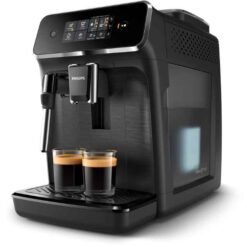
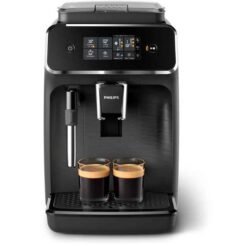
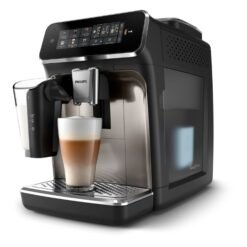
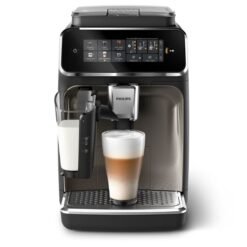
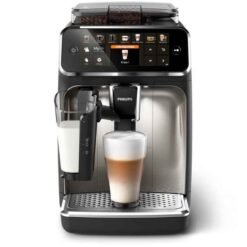
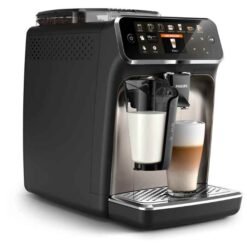
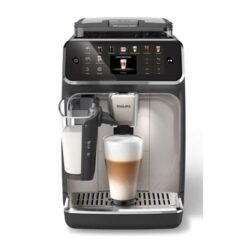
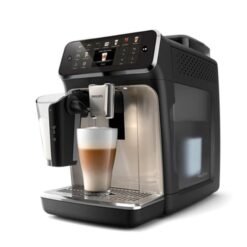
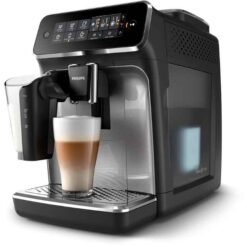
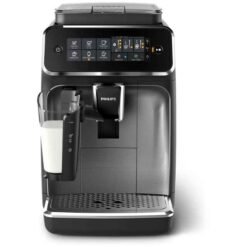
Fully automatic machines grind beans fresh and brew with one-touch convenience, often including automatic milk for cappuccino and latte. These are ideal for offices in Islamabad or busy homes where multiple people want coffee with minimal setup and cleanup. Look for removable brew groups and guided cleaning cycles; this keeps hygiene high in dusty environments. A quality grinder and reliable milk system matter more than niche drink icons on the screen.
These machines trade fine-grained control for speed and consistency, which is perfect for shared pantries where no one wants to measure and tamp. Consider the cost of cleaning tablets, descaler, and milk-system rinse routines when budgeting. If power fluctuations are common in your area, pair the machine with a surge protector to protect its electronics. For flavor, use fresh beans from airtight containers and adjust grind settings until the coffee tastes balanced rather than bitter or sour.
Capsule / Pod Machines (e.g., Dolce Gusto)
Capsule machines prioritize convenience: pop in a pod, press a button, and you get a consistent cup every time. They shine in small Karachi offices and hostels where ease and speed trump experimentation. Because each capsule is sealed, freshness is predictable, though long-term cost per cup is typically higher than buying whole beans. Check local capsule availability and flavors so you don’t get locked into hard-to-find supplies.
Milk-based drinks on capsule systems usually rely on milk pods or manual milk frothing, so expect a different texture versus steam-wand espresso drinks. If you entertain guests, capsule machines are tidy and intuitive for anyone to use. Keep a small bin or recycling bag for spent pods to avoid clutter. For taste variety, keep an assortment pack on hand and rotate flavors to avoid palate fatigue.
Drip / Filter Coffee Makers
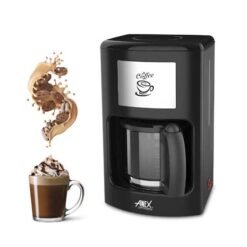
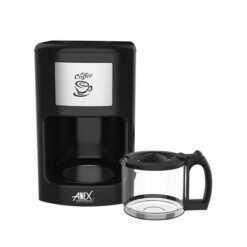
Drip coffee makers brew larger batches that suit families, staff rooms, and community spaces. They heat water and pass it steadily through a basket of medium-ground coffee, producing a smoother, lighter cup than espresso. A simple, reliable hotplate keeps coffee warm for meetings at schools or clinics in Lahore. Look for showerhead-style water dispersion and cone filters for more even extraction.
For easier maintenance in Pakistan’s hard-water conditions, choose models with descaling indicators and removable filter baskets. Paper filters simplify cleanup, while reusable metal filters cut ongoing costs but can allow more oils into the cup. If your office relies on UPS power during load management, consider a modest-wattage brewer to reduce load. To improve taste, use filtered water and measure your grounds consistently by weight.
Commercial Espresso Machines
Commercial machines are built for throughput, temperature stability, and continuous service. Single-group units can handle a boutique kiosk, while two- or three-group machines keep pace in cafés near Karachi’s Saddar or Lahore’s Gulberg. Dual-boiler or heat-exchanger designs let baristas brew espresso and steam milk simultaneously, cutting wait times. A plumbed-in water connection with proper filtration protects boilers from scale buildup.
Commercial buyers should plan for barista workflow: counter depth, knock box placement, and milk pitcher storage affect speed during busy hours. Specify cup clearance for takeaway lids and check local service response times before purchase. For reliability, pair the machine with a food-grade water filter and consider a voltage regulator if your location experiences voltage swings. Budget for training, spare baskets, and routine cleaning supplies alongside the machine itself.
French Press & Pour-Over Gear
(Not applicable—omitted to avoid fluff.)
Shop by Use Case
Home Kitchens (Karachi, Lahore, Islamabad)
Start with your favorite drinks and space realities. If you love cappuccinos but have limited counter width, a compact semi-automatic with a steam wand or a small fully automatic can be a smart fit. Drip brewers work well for families who want multiple cups at breakfast without queueing at the machine. In apartments with hard water, add a simple descaling routine every few weeks and store beans in airtight containers away from Karachi’s humidity.
Noise matters in small homes—grinders and pumps can be loud early in the morning. Choose insulated or lower-RPM grinders and check reviews for noise comments. For safety on mixed-voltage extensions, use properly rated sockets and a surge protector. If you entertain often, consider a machine with a hot-water outlet for Americanos and tea to avoid boiling extra kettles.
Office Pantries
Shared spaces need simplicity, speed, and easy cleanup. A bean-to-cup automatic with one-touch milk saves time between back-to-back meetings in Islamabad’s offices. Capsule machines can also work for very small teams that value zero learning curve and minimal cleaning. Place the machine near filtered water and a drainable area to make daily upkeep painless.
Assign light maintenance roles: one person to empty the drip tray, another to refill beans or pods, and a weekly descaling reminder in the team calendar. Keep spare cups and a small bin for spent capsules to keep the counter tidy. If the pantry runs on UPS or generator during outages, choose a machine with moderate wattage and fast heat-up to reduce strain. For taste consistency, standardize the coffee beans or pod selection and post a quick-start card next to the machine.
Cafés / Commercial
Throughput drives the decision for cafés serving rush-hour crowds in Saddar, Karachi or MM Alam Road, Lahore. A multi-group commercial espresso machine with powerful steam and stable temperature helps baristas maintain speed without sacrificing taste. Pair it with a commercial grinder that doses evenly and recovers quickly after each shot. Invest in water filtration and plan a maintenance schedule before opening day.
Workflow details boost revenue: set up a tamping station, pitcher rinser, and knock box within easy reach to shave seconds off every drink. Consider a second grinder for decaf or single-origin specials to widen your menu. Train staff on milk texture for consistent cappuccinos and lattes, and keep spare gaskets and shower screens on site. For reliability, arrange periodic service visits and log boiler pressure, shot times, and taste checks weekly.
Price & Value — How Pricing Works in Pakistan
What drives the price?
Price differences between coffee makers in Pakistan are mostly about engineering, materials, and support rather than branding alone. Machines with stronger temperature stability and higher-duty components typically cost more because they deliver consistent taste over years of daily use. Milk systems, grinders, and automation add convenience but also increase complexity, so expect a higher ticket for one-touch cappuccino or latte. Warranty terms and local service access matter too; even a modest machine is better value when parts and maintenance are straightforward.
Think of the total cost of ownership, not just the sticker price. Cleaning tablets, water filters, descaler, and replacement gaskets are small but recurring expenses that keep coffee tasting good and machines healthy. Water quality in Karachi, Lahore, and Islamabad can be hard; budgeting for filtration or periodic descaling saves repairs later. If your location experiences voltage swings, a surge protector or voltage regulator is a smart one-time add-on that protects delicate electronics.
- Boiler/thermoblock design and temperature control
- Built-in grinder quality and adjustability
- Milk system type: steam wand vs automatic carafe
- Automation level: manual, semi-auto, or one-touch
- Serviceability: removable brew groups, accessible parts, local support
Entry / Mid / Premium tiers (feature-led, not numeric)
Entry tier machines focus on core brewing with minimal extras. For espresso, that might be a single-boiler semi-automatic with a basic steam wand; for drip, a dependable brewer with a hotplate and simple controls. These are ideal for new buyers, students, and small homes that want good coffee without a big learning curve. Expect plastic housings, fewer metal components, and simpler interfaces that are easy to live with.
Mid tier adds better temperature stability, stronger pumps, and more control. Bean-to-cup machines here typically include adjustable grinders, milk frothing options, and guided cleaning cycles—great for family kitchens or office pantries. Espresso enthusiasts will see upgrades like PID temperature control, non-pressurized baskets, and better steam performance for consistent milk texture. You pay for improvements you can taste and for features that shorten prep and cleanup time.
Premium tier emphasizes durability, speed, and repeatability. On the automatic side, you’ll find richer touch interfaces, multiple user profiles, and advanced milk systems. On the espresso side, dual-boiler or heat-exchanger designs allow simultaneous brewing and steaming, making back-to-back drinks easy. Materials are more robust—more metal, better valves, higher-grade baskets—and machines are designed to hold calibration longer. If you host often or run a small operation, this tier reduces downtime and keeps drinks consistent during rushes.
Checking current prices & stock
Prices for coffee makers in Pakistan can change with import cycles, currency movements, and seasonal promotions. The most accurate snapshot is always the live product cards on the category page. If you’re comparing multiple models, shortlist by features first, then check current price and availability to avoid decision fatigue. For bundle opportunities—like machines paired with grinders or starter accessories—look at product descriptions and any “what’s included” notes.
Need guidance in real time? Call or WhatsApp 0339 2009000 to confirm today’s pricing, warranty handling, and delivery options. If a model you want is temporarily unavailable, ask for a near-equivalent with similar temperature control, milk system, and grinder capability. This ensures you buy for your taste and use case rather than waiting indefinitely for a specific SKU.
Key Features Explained (Simple, Scannable)
Pressure & Temperature Stability
Marketing often highlights 15–20 bar pumps, but extraction quality depends more on stable temperature and consistent pressure at the puck. Semi-automatic machines with good thermostats or PID control reduce the “sour to bitter” swings that come from unstable heat. For milk-drink households, stronger steam performance speeds up lattes without overheating milk. If you enjoy straight espresso, prioritize temperature stability over decorative features.
Thermoblocks heat water on demand and are compact; boilers store hot water for thermal mass and steadier output. Dual-boiler and heat-exchanger designs separate brewing and steaming, so you can pull shots while texturing milk. This matters in Pakistan’s busy kitchens where multiple cups are prepared back-to-back. Stability delivers repeatable flavor—once your grind and dose are set, you should taste the same sweet spot daily.
Grinder Types (Conical vs Flat; Steel vs Ceramic)
Fresh grinding is half the flavor equation. Conical burrs are common, forgiving, and quieter—excellent for home use, while flat burrs can deliver superb uniformity and clarity, often favored by cafés. Steel burrs tend to be durable and efficient; ceramic burrs resist heat transfer and can be quieter, though specifics depend on the design. Built-in grinders save space and streamline workflow, especially in bean-to-cup machines.
If your machine doesn’t include a grinder, buying a separate burr grinder lets you upgrade independently over time. Look for micro-adjustments if you brew espresso, because dial-in requires fine steps. For drip and pour-over, a grinder with easy macro steps across medium settings is convenient. Regardless of type, clean burrs regularly to keep flavors bright and prevent old oils from dulling your cup.
Milk Systems
Steam wands give you control over microfoam, letting you tailor cappuccino and latte texture. They require a bit of practice, but once you learn, they produce café-style drinks and latte art. Automatic milk systems are fast and consistent—perfect for offices—but ask for a demo of cleaning cycles since residual milk can spoil in warm climates. Removable parts and clear cleaning prompts simplify hygiene.
In Pakistan’s dusty environments, plan for daily milk-system rinses and regular deep cleans. Keep a food-safe cleaner on hand and schedule weekly routines. If you rarely make milk drinks, a strong hot-water outlet plus a separate frother can be more practical than an integrated system. Always purge the wand before and after steaming to keep flavors clean.
Capacity & Power (Pakistan context)
Most machines here run on 220–240V/50Hz. Wattage affects heat-up time and steaming strength, so higher-watt models often recover faster between drinks. If you rely on UPS or a generator during outages, balance wattage with your backup capacity to avoid overloads. For offices, larger water tanks and bean hoppers reduce refills during meeting rushes.
Cup clearance matters if you prefer tall mugs or take-away cups; look for adjustable spouts or removeable drip trays. In compact kitchens, measure counter depth and overhead cabinets to ensure lids open freely. Noise levels vary—grinders and pumps can be loud—so consider placement away from bedrooms in smaller apartments. A simple rubber mat under the machine can reduce vibration noise.
Water, Filters & Descaling
Hard water is common in major Pakistani cities and is the top enemy of boilers and thermoblocks. Using filtered water improves taste and reduces scale buildup, extending the life of valves and heating elements. If your machine accepts in-tank filters, follow the replacement schedule; otherwise, set a calendar reminder for descaling based on usage. In very hard-water zones, a pre-filter at the source is worth the investment for premium machines.
Descaling frequency depends on cups per day and water quality; many households do it monthly or bi-monthly. Always use the manufacturer-approved descaler and follow the exact procedure to avoid damaging seals. Rinse thoroughly after descaling to remove any residue that could affect taste. Keeping a small logbook of maintenance helps you spot patterns before a minor issue becomes a repair.
Brand & Compatibility Notes (Pakistan Context)
Popular categories people search for
Shoppers often compare categories like “Delonghi coffee machine,” “Nescafé Dolce Gusto,” and drip makers from familiar appliance brands such as Westpoint or Philips. Treat these as broad families of features rather than one-size-fits-all answers. Delonghi’s catalog, for instance, spans everything from compact semi-automatics to fully automatic one-touch machines, each aimed at different habits and budgets. Dolce Gusto capsule systems prioritize variety and simplicity, great for homes that host frequently or small teams that need zero fuss.
Drip coffee makers from mainstream appliance brands are dependable daily drivers for larger batches. When comparing across categories, list your must-haves: built-in grinder, automatic milk, hot-water spout, or compact footprint. Then match those needs to the category that fits best instead of chasing model numbers. This approach leads to better long-term satisfaction and easier maintenance.
Capsules & Supplies
Capsule convenience depends on reliable access to pods you like. Before buying a capsule machine, check local availability of your favorite blends and whether you prefer milk pods or adding fresh milk separately. For cost planning, compare per-cup capsule cost against buying whole beans; capsules win on speed and cleanliness, beans win on flexibility and ongoing value. Keep a small stock buffer so you’re covered during busy weeks or holidays.
For bean-based machines, buy in small batches and store beans in airtight, opaque containers away from heat and humidity. If you grind separately, calibrate your grinder whenever you switch beans; different roasts extract differently. Clean grinders and purge a small amount after major grind changes to maintain flavor consistency. Whether capsule or bean, freshness and routine cleaning are the easiest upgrades to your daily cup.
Commercial Buyer’s Corner
Throughput & Boiler Configurations
In cafés and busy kiosks, the right boiler architecture determines how fast you can serve without compromising taste. Single-boiler machines are compact and cost-effective but require either brew-first/steam-later routines or careful timing, which can bottleneck during rushes. Heat-exchanger (HX) and dual-boiler machines separate brewing and steaming tasks, letting baristas pull shots and texture milk simultaneously—ideal for queues in Karachi’s Saddar or Lahore’s Gulberg. Multi-group heads increase parallel output, but only if your grinder and workflow keep up; a three-group machine won’t save time if dosing and tamping still happen in a single lane.
Temperature stability is non-negotiable for consistent flavor across hundreds of cups. Look for machines with robust thermal mass, reliable thermostats or PID control, and strong steaming recovery. If your drinks menu leans heavily toward milk beverages, prioritize steam power and recovery time. For straight-espresso focus, lean harder on brewing stability and preinfusion control to keep flavor repeatable through the day.
Water Line vs Reservoir
Plumbed-in machines with proper filtration reduce downtime and improve taste by delivering consistent water quality and pressure. They also keep staff off “tank refill duty” during peak hours. If you operate a mobile cart in Islamabad or a pop-up at events, a reservoir machine paired with a compact external filter can be more practical. Either way, plan a filtration strategy to mitigate limescale—Pakistan’s hard water can shorten the life of boilers, valves, and wands if left untreated.
Before installation, test water hardness and choose a filter that fits your volume and replacement cadence. Train staff to monitor flow rates and taste; a sudden change can signal clogged filters or scale buildup. For plumbed setups, include shut-off valves and quick-disconnects to simplify servicing. For tanked machines, assign a daily rinse of the reservoir and lid to keep dust out and flavors clean.
Service, Warranty & Training
Downtime is expensive. Confirm local service lead times and whether preventive maintenance contracts are available in Karachi, Lahore, or Islamabad. Build a simple maintenance log: daily cleaning, weekly backflush, monthly descaling checks, and quarterly gasket inspections. Warranty terms vary by brand; clarify what’s covered, what counts as wear-and-tear, and the process for parts replacement to avoid surprises.
Staff training pays for itself. Standardize recipes (dose, time, yield), milk textures for cappuccino vs latte, and basic troubleshooting—purging steam wands, recognizing channeling, and adjusting grind for weather changes. Keep a spare-parts kit (group gaskets, shower screens, baskets, a spare steam-tip O-ring) on site. For power, use a dedicated circuit with a reliable surge protector or voltage regulator; this protects electronics from the voltage swings common in many commercial areas.
Grinders & Workflow (High Impact)
Espresso quality is grinder-limited. Invest in a commercial grinder that doses consistently and recovers quickly between shots. Consider two grinders—one for house espresso and one for decaf or single-origin specials—to reduce hopper swaps during rushes. Set up a linear bar flow: beans → grinder → tamping station → group head → milk station → pass. Add a pitcher rinser and knock box within arm’s reach to shave seconds off every drink.
Calibrate grind with the first shots of the day and after major weather shifts; humidity in coastal Karachi can change extraction by midday. Weigh doses periodically to keep recipes honest, and purge a small amount after big grind adjustments. A clean grinder is a fast grinder—schedule weekly burr brushing and monthly deep cleans to prevent oil buildup and inconsistent flow.
How to Choose — 60-Second Selector
Quick Questions
Answer these in one minute to narrow your options:
- What drinks do you make most—straight espresso, cappuccino/latte, Americanos, or batch coffee?
- How many cups per day (and at peak hour)?
- Do you prefer beans (fresh grinding) or capsules (maximum convenience)?
- How much counter space and cup clearance do you have?
- How much cleaning are you comfortable with—daily rinses only, or deeper weekly routines?
- Do you need one-touch milk drinks or are you happy steaming manually?
- Will the machine run on UPS/generator at times? What’s your available wattage?
- Is local service access important because the machine will be used commercially?
Suggested Filters & Paths (Map your answers)
If you want espresso + milk drinks with minimal effort for family or office, choose a fully automatic bean-to-cup and look for an adjustable grinder, one-touch milk, and guided cleaning. If you want hands-on espresso for flavor control at home, choose a semi-automatic with stable temperature and a capable steam wand; add a burr grinder if the machine doesn’t include one. For zero-learning-curve convenience or very small teams, a capsule machine is tidy and fast—just verify pod availability. For multiple cups at once without espresso, pick a drip/filter brewer with a good showerhead and a keep-warm plate.
Commercial buyers serving rushes should prioritize a dual-boiler or HX multi-group machine plus a commercial grinder. If you’ll run on backup power, balance wattage with your supply and consider heat-up time. Add must-have toggles: built-in grinder (yes/no), automatic milk (yes/no), hot-water outlet (yes/no), plumbed-in vs tank, and water filtration.
What to Avoid (Common Pitfalls)
Don’t buy on “bar” numbers alone—brew stability and grinder quality matter more than a 15 vs 20-bar claim. Don’t underestimate cleaning; milk systems need daily rinses in warm climates to stay safe and tasty. Don’t skip water treatment—scale silently damages internals and can void warranties. Don’t forget cup height or counter clearance—tall mugs and overhead cabinets can limit usability. And don’t postpone the grinder decision if you go semi-automatic; an inconsistent grind will undermine any machine.
Care, Cleaning & Longevity (Pakistan-Specific)
Daily & Weekly Routines
For semi-automatics, purge group heads before and after shots, wipe and purge steam wands, and empty drip trays daily. Backflush with water daily (with detergent per manufacturer weekly) to keep valves clean. For bean-to-cup machines, run the guided rinse cycles after milk drinks and empty the dreg drawer before it overfills—this prevents hygiene issues in warm kitchens. Capsule machines need little more than a quick rinse cycle and periodic descaling.
Weekly, deep-clean portafilters, baskets, and shower screens; soak in a coffee-safe cleaner and rinse thoroughly. Inspect gaskets for cracks and replace at the first sign of leaks around the portafilter. For drip brewers, wash carafes and filter baskets thoroughly to prevent oil buildup that can make coffee taste bitter. Keep a small maintenance caddy—brushes, cloths, cleaner, descaler, and spare gaskets—next to the machine so routines are never skipped.
Power Protection & Placement
Use a surge protector or automatic voltage regulator to buffer electronics against spikes and dips—especially helpful during seasonal load management in Karachi and Lahore. If you rely on UPS or a generator, confirm the machine’s wattage fits your backup capacity and avoid running multiple high-draw appliances on the same outlet. Place the machine on a stable, ventilated counter away from direct sunlight; heat accelerates wear on plastics and seals and can stale beans in hoppers.
Mind moisture and dust. Keep a cover over the machine during renovations or long closures, and periodically wipe intake vents. If your counter is near a stove, shield the machine from oil splatter and steam; both can clog vents and dull finishes. A simple rubber mat reduces vibration noise and helps prevent micro-slips when locking in portafilters.
Water, Descaling & Filters
Hard water shortens machine life and dulls flavor. If your area is known for high mineral content, use filtered water and descale on a schedule matched to usage—more cups per day mean shorter intervals. Follow your manufacturer’s descaling instructions exactly; skipping rinse steps can leave residues that affect taste. If your machine accepts in-tank filters, track change dates; filters that stay in too long can restrict flow and strain pumps.
For plumbed commercial setups, include an inline filter with cartridges sized to your throughput, and train staff to monitor taste, flow, and any warning lights. Keep a maintenance log: date, action (descale, backflush, filter change), and notes on taste or pressure. Logs help you spot patterns early and support warranty conversations if needed.
Spare Parts & Consumables
Plan a minimal spares kit so small issues never halt service. For semi-automatics: group gaskets, shower screens, baskets (single/double), and a spare steam-tip O-ring. For automatics: cleaning tablets, milk-system cleaner, and a spare in-tank filter if applicable. For all machines: food-safe descaler, microfiber cloths, and a nylon brush for group heads or grinder chutes. Label everything and keep expiry-sensitive items (like cleaners) in a cool, dry cupboard.
If you work with multiple staff, post a one-page care chart near the machine: daily, weekly, monthly, and “call for service if” triggers (leaks, unusual pump noise, slow flow, persistent taste issues). Clear responsibility beats guesswork and extends machine life by years.
FAQs
What is the best coffee maker for home use in Pakistan?
“Best” depends on your drinks and routine. For milk drinks with minimal effort, pick a fully automatic bean-to-cup with one-touch cappuccino. For hands-on control and café-style texture, choose a semi-automatic espresso machine plus a burr grinder. For bigger households that prefer lighter coffee, a drip brewer is practical and budget-friendly. Match the machine to your drink style, cups per day, and cleaning tolerance.
Espresso machine vs automatic coffee machine — what’s the difference?
A semi-automatic espresso machine requires you to grind, dose, tamp, and steam milk manually, rewarding skill with maximum control. A fully automatic (bean-to-cup) machine grinds and brews for you and often froths milk automatically at the press of a button. Semi-automatics suit enthusiasts who enjoy dialing in; automatics suit families and offices that want speed and consistency.
Are capsule machines expensive to run in Pakistan?
Per cup, capsules usually cost more than whole beans but win on convenience and cleanup. Budget by comparing your monthly cup count against capsule prices and whole-bean costs. For offices with few cups per day and no time for cleanup, capsules can be worth it. For heavy daily use, a bean-to-cup or semi-automatic plus grinder is typically better value.
How often should I descale in Karachi or Lahore?
It depends on water hardness and cups per day. Many households descale monthly or bi-monthly. If you notice slower flow or a change in taste, bring descaling forward. Using filtered water extends intervals and reduces scale buildup. Always follow the manufacturer’s procedure and rinse thoroughly afterward.
Do I need a stabilizer or UPS for my coffee machine?
For areas with voltage fluctuations or frequent outages, a surge protector or automatic voltage regulator is recommended to protect electronics. If you run on UPS or generator, check that your machine’s wattage is compatible and avoid sharing the circuit with other high-draw appliances. This is especially important for fully automatic machines with sensitive electronics.
What’s a good starter grinder if my machine doesn’t have one?
Choose a burr grinder with fine adjustment steps if you plan to brew espresso, since tiny changes affect extraction. For drip brewing, a grinder with clear macro steps around medium settings is convenient and consistent. Regardless of category, clean burrs regularly and store beans in airtight containers for the freshest flavor.
“Best” depends on your drinks and routine. For milk drinks with minimal effort, pick a fully automatic bean-to-cup with one-touch cappuccino. For hands-on control and café-style texture, choose a semi-automatic espresso machine plus a burr grinder. For bigger households that prefer lighter coffee, a drip brewer is practical and budget-friendly. Match the machine to your drink style, cups per day, and cleaning tolerance.A semi-automatic espresso machine requires you to grind, dose, tamp, and steam milk manually, rewarding skill with maximum control. A fully automatic (bean-to-cup) machine grinds and brews for you and often froths milk automatically at the press of a button. Semi-automatics suit enthusiasts who enjoy dialing in; automatics suit families and offices that want speed and consistency.Per cup, capsules usually cost more than whole beans but win on convenience and cleanup. Budget by comparing your monthly cup count against capsule prices and whole-bean costs. For offices with few cups per day and no time for cleanup, capsules can be worth it. For heavy daily use, a bean-to-cup or semi-automatic plus grinder is typically better value.It depends on water hardness and cups per day. Many households descale monthly or bi-monthly. If you notice slower flow or a change in taste, bring descaling forward. Using filtered water extends intervals and reduces scale buildup. Always follow the manufacturer’s procedure and rinse thoroughly afterward.For areas with voltage fluctuations or frequent outages, a surge protector or automatic voltage regulator is recommended to protect electronics. If you run on UPS or generator, check that your machine’s wattage is compatible and avoid sharing the circuit with other high-draw appliances. This is especially important for fully automatic machines with sensitive electronics.Choose a burr grinder with fine adjustment steps if you plan to brew espresso, since tiny changes affect extraction. For drip brewing, a grinder with clear macro steps around medium settings is convenient and consistent. Regardless of category, clean burrs regularly and store beans in airtight containers for the freshest flavor.
