
Hanco Air Cooler
Showing all 3 results
-
Air Cooler, Cooling Appliances, Hanco Air Cooler
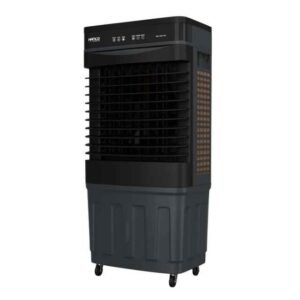
Hanco Inverter Air Cooler HRC-1100 INV
0 out of 5(0)- 100% Imported
- Inverter Technology
- Soft Throw Technology Ideal For Indoor Offices and for Compact Rooms
- 3x Speed
- Touch Panel And Remote Control
- Long Air Throw
- Compact Design
- Whisper Quit Fan Technology
- Auto Air Swing
- Energy Efficient
- Solar Compatible
- Power Consumption 90Watts
- Rated Voltage : 220-240v 50Hz
- Product Size 18.5x13x43 Inch
SKU: n/a -
Air Cooler, Cooling Appliances, Hanco Air Cooler
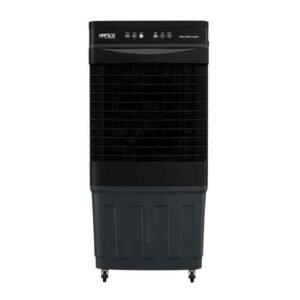
Hanco Rechargeable AC/DC Air Cooler HRC-1000 AC/DC
0 out of 5(0)- 100% Imported
- Powerful AC/DC Motor
- 12x Speed Control
- Lithium Ion Rechargeable Battery
- Touch Panel And Remote Control
- Soft Throw Technology Ideal For Indoor Offices and for Compact Rooms
- Long Air Throw
- Compact Design
- Whisper Quit Fan Technology
- Auto Air Swing
- Energy Efficient
- Solar Compatible
- Power Consumption 80Watts
- Rated Voltage : 220-240v 50Hz
- Product Size 18.5x13x39 Inch
SKU: n/a -
Air Cooler, Cooling Appliances, Hanco Air Cooler
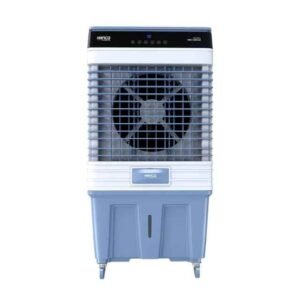
Hanco Smart Air Cooler HRC-1200 AC
0 out of 5(0)- 100% Imported
- Tempered Glass Top
- Bigger Tank Capacity upto 65 Liters
- Touch & Remote Control
- Power Consumption 180Watts
- Concealed Water Proof Motor
- 3x speed
- Storm Throw Technology
- Water Pump with Safety Device
- Efficient Impeller Fan
- Auto Swing
- Honeycomb Evaporator
- Water Intake
- Water Level Indicator
- Shock Proof Wheel
SKU: n/a
Showing all 3 results
Hanco Air Cooler — Price & Models in Pakistan
Looking for a cooler that actually makes Pakistani summers bearable without blowing up the electricity bill? Hanco air coolers use evaporative cooling to move large volumes of air across water-soaked pads, delivering a noticeably cooler breeze at a fraction of the cost of compressor ACs. This guide helps you pick the right Hanco for your space, whether you’re outfitting a Karachi bedroom, a Lahore lounge, a Peshawar shop counter, or a Quetta study. To browse all current listings first, head to our main Air Cooler collection on Emirates Electronics (prices and stock may change).
Shop Hanco by Room Size & Tank Capacity
Small rooms & bedrooms (up to ~120 sq ft)
If your space is a single bedroom, hostel room, or compact study, prioritize a compact body, quieter fan profile, and a tank around ~50 liters. In small spaces, you don’t need extreme airflow; you need steady, well-directed air with minimal noise for sleep. Look for models with multi-speed control so you can run lower speeds at night, and check for features like a water level indicator to avoid dry-running the pump. In coastal cities such as Karachi where humidity spikes, proper cross-ventilation (slightly open window/door) helps the cooler exhaust moist air and keep the room comfortable.
Placement matters even more in small rooms. Park the cooler near a partially open window so it can pull in fresh air; direct the swing louvers towards your sleeping or seating area but avoid blowing straight into your face to prevent dryness. For renters and students who move often, prioritize units with sturdy caster wheels and a handle, plus remote control convenience if you’ll operate it from bed. If you expect frequent load-shedding, shortlist models that can run efficiently at lower wattage or support backup options (we cover AC/DC and inverter choices later).
Medium rooms & offices (~120–220 sq ft)
For mid-sized living rooms, small offices, or salons, step up to 60–70 liter tanks with higher airflow. You’ll want wide-angle auto-swing for coverage across couches or multiple workstations, and a thicker honeycomb pad stack to sustain cooling over longer sessions. In drier regions (Lahore in peak summer, parts of KP), evaporative coolers perform especially well because lower ambient humidity allows more evaporation—and more cooling per liter of water. In humid spells, keep ventilation going and prefer a model with multiple swing modes to avoid damp, still pockets of air.
Think through water logistics. If the cooler runs most of the day, a larger tank saves refills; if you’re in an office with staff movement, a continuous water inlet can be handy—just remember to use clean water and monitor overflow. For workplaces, a touch panel + remote helps different users operate the unit easily. Where electricity costs are a concern, consider inverter-style or otherwise energy-efficient models that deliver similar airflow at lower speeds; pairing with a UPS for fan-only operation during outages is common, and we’ll explain safe backup use later in this guide.
Large lounges, shops & semi-open areas (220+ sq ft)
For bigger lounges, restaurants, showrooms, or semi-open spaces, you’re entering desert cooler territory: higher-capacity tanks, wider inlets, and higher CFM to push air across longer distances. These units shine in well-ventilated or semi-open environments because they can move a lot of cooled air without recirculating too much humidity. If your lounge opens to a balcony or you’re cooling a shop with a frequently opened door, a desert cooler’s airflow helps “wash” warm air out and maintain comfort at the counter or seating zone. The trade-off is body size—measure doorways and available floor space before ordering.
Consider a model with robust casters, side grips, and a drain plug for easier tank cleaning. In hotter inland cities, running at mid-to-high speeds during the afternoon heat and stepping down at night balances comfort with water and energy use. If you plan day-long operation, a 70L+ tank, auto-swing, and a washable filter are practical picks. Continuous inlet lines are useful for commercial use; just ensure proper float valves and avoid hard-water buildup by doing a quick weekly flush. If your environment is extremely dusty (workshops near main roads), schedule pad checks more often to keep airflow consistent.
Tip: If you’re torn between two sizes, consider the larger tank for longer sessions and fewer refills, but match airflow to the room: too much blast in a tiny space can be noisy and less comfortable. For Pakistan-wide buyers, the “right” cooler is the one that balances room size, ventilation, and power reality in your city. We’ll map these considerations to specific Hanco models below.
Top Hanco Models (Quick Picks)
Hanco HRC-1100 INV — Compact inverter cooler for small rooms
If you need a cooler for a study, hostel room, or compact office, the Hanco HRC-1100 INV is a smart starting point. As listed, it combines inverter-style efficiency with a soft-throw airflow that’s easier to live with at night, plus multi-speed control for dialing in comfort. The touch panel and remote make it simple to adjust from bed or a workstation, and the footprint suits tight layouts where every inch counts. Pair it with light cross-ventilation (slightly open window/door) to keep humidity in check and you’ll get more consistent comfort through Karachi’s humid spikes or Lahore’s dry heat. See HRC-1100 INV for live specs and price (prices can change with promos/stock).
Who it fits: students, work-from-home users, or anyone who wants an energy-savvy cooler that won’t dominate a small room. If your space is roughly up to ~120 sq ft and you prefer quieter operation at lower speeds, this model’s balance of airflow and convenience works well. For frequent load-shedding, consider pairing with an appropriate UPS only for low/medium speed use; always check your backup system’s wattage and the cooler’s rated draw on the product page before connecting. If you expect higher daytime temperatures in inland cities, run mid-speed during afternoons and step down at night to save water and power.
Hanco HRC-1200 AC — Bigger tank, wider coverage for living rooms
Stepping up to the HRC-1200 AC brings a larger body and a bigger tank (the listing notes up to ~65L), which reduces refill frequency for multi-hour sessions. It adds premium touches like a tempered glass top and full remote control, and it’s designed for broader coverage with auto-swing to move cool air across a sofa set or small office cabin. If your living room sits around 150–220 sq ft, this is a “daily driver” cooler that can run for long blocks of time without fuss. See HRC-1200 AC for the current listing, features, and price.
Where it shines: mid-sized lounges in Lahore/Multan during peak summer or offices in Islamabad where you want steady airflow through the afternoon. For humid days in Karachi, ensure a little fresh air exchange so evaporative cooling keeps working effectively. Maintenance remains straightforward—periodic pad checks and a quick tank rinse keep performance consistent. If you plan near-continuous daytime use, consider a continuous water inlet with proper float/overflow management to avoid spills and scale buildup.
Hanco HRC-1000 AC/DC — Rechargeable option for load-shedding
Pakistan’s power reality makes the HRC-1000 AC/DC especially practical: the listing highlights a built-in rechargeable setup and an AC/DC motor with multiple speeds, so you can keep air moving during outages. The touch panel and remote are convenient in bedrooms, and the soft-throw pattern suits close-range comfort without feeling too harsh. This is the pick for users who need a “keep-going” cooler when the grid drops, from Karachi apartments to small shops across KP. See HRC-1000 AC/DC to confirm runtime specifics and current availability.
Before you buy, match expectations to your backup plan: runtime depends on speed setting, battery capacity/health, and ambient heat. If you’re pairing with solar/UPS, stay conservative—use low/medium speed to stretch runtime, and follow the product’s rated wattage and the backup system’s safe load guidelines. For evening use, pre-cool the room for 15–20 minutes at a higher speed with a window ajar, then shift to a lower speed once the air feels comfortable. Regular pad cleaning keeps efficiency up and avoids the “musty” odor some users encounter with infrequent maintenance.
Price Guide — Hanco Air Cooler Price in Pakistan
Live prices on Emirates Electronics
Prices can change quickly with stock and seasonal promos, so the most reliable way to check today’s numbers is to view the live product pages. For a quick scan, browse the general Air Cooler category or the dedicated Hanco brand page to see what’s currently in stock and the posted prices. Individual model pages—HRC-1100 INV, HRC-1200 AC, and HRC-1000 AC/DC—carry the most up-to-date listings. If a price looks unusually low/high, it may reflect a promotion or a recent restock.
For budget planning, remember that delivery location, payment method, and seasonal demand can influence final cost. During early summer or heatwaves, popular models may move fast; checking back on the category or brand page every few days can help you catch restocks. If you’re comparing multiple sizes, consider lifetime cost: a slightly larger tank that prevents constant refills can be worth it for daily use. When in doubt, call for confirmation before placing an order, especially if you need delivery to a city outside Karachi.
What affects Hanco cooler pricing?
Across the Hanco lineup, pricing typically tracks with tank capacity, airflow hardware (motor and fan geometry), pad stack quality, and convenience features like touch panels, remotes, wide-angle swing, and water level indicators. Models that support AC/DC or inverter-style efficiency often carry a premium because they solve real-world problems—namely outages and high electricity costs. Build materials also matter (for example, tempered glass top panels and thicker cabinet plastics improve durability and finish). Finally, logistics—nationwide delivery and post-sale support—are embedded into retail pricing and promos.
The best way to control cost is to calibrate the size to your room: over-spec a desert cooler in a tiny room and you’ll get noise and extra water use for no benefit; under-spec a small unit in a big lounge and you’ll end up running it flat out without the comfort you want. If your use case is primarily nighttime bedroom cooling, a compact inverter model like the HRC-1100 INV is often a better value than a larger body designed for hallways and semi-open areas. When comparing two close models, check the listing details for tank size, swing modes, and pad type—then factor in your city’s humidity and ventilation.
Budget vs performance picks (scenarios)
Student/hostel room (Karachi, coastal humidity): Choose a compact model you can run on low speed with a window cracked open; prioritize remote control and an easy-to-drain tank for weekly maintenance. Studio/bedroom with frequent outages: Go for the rechargeable AC/DC option so you’re not left with still, warm air during load-shedding; use low/medium speed to extend runtime. Family lounge (Lahore/Multan, dry peak heat): A larger-body model with a bigger tank and wider swing will keep the whole seating area comfortable through the afternoon.
Small shop counter or salon: If doors open often, airflow “wash” matters more than raw chill—an appropriately sized Hanco with auto-swing can keep staff comfortable without wetting the space. Office cabin (Islamabad): Mid-size with touch + remote suits shared use; set schedules for afternoon peak and trim speeds in the evening. Cross-country buyers: Always check the product page for the latest price/stock before placing an order, and call if you need delivery timing or warranty specifics confirmed for your city.
Feature Explainer — Choose the Right Hanco for Your Need
Cooling performance (airflow, honeycomb pads, ventilation)
Evaporative cooling works best when air can keep moving and moisture can escape, so think in terms of airflow + pads + ventilation. Airflow is the engine: larger inlets, a well-designed fan, and efficient ducting push more air across the pads and into your room. Honeycomb pads matter because they hold water evenly and allow air to pass through without too much resistance, which helps maintain a cool, consistent breeze. If a cooler feels “damp but not cool,” the missing piece is usually ventilation—crack a window or door to let humid air out and fresh air in. In Pakistan’s mixed climates, the rule is simple: the drier the air and the stronger the cross-ventilation, the better your cooler will perform.
Pad care directly affects performance. Fresh, clean pads absorb water faster and resist the “musty” smell that can show up after long gaps between cleanings. A quick visual check every 2–3 weeks in peak season keeps you ahead of dust and scale; if pads look clogged or unevenly wet, rinse them and check the pump filter. During heatwaves in inland cities (Lahore, Multan), run the cooler at a moderate speed for a longer duration rather than blasting at max for short bursts—this maintains a stable comfort level without over-saturating the room. Coastal buyers (Karachi) should lean more on ventilation, using swing louvers to move the breeze past occupants rather than straight at the face.
Power options (AC-only, AC/DC, inverter; solar-friendly setups)
AC-only models are the simplest: plug in, fill the tank, and go. They’re ideal where outages are rare or where you already have a backup that can comfortably handle the cooler’s rated wattage. AC/DC and rechargeable designs add resilience by letting you keep air moving during load-shedding; they typically offer multiple speed levels so you can stretch runtime on lower settings. Inverter-style models focus on efficiency, smoothing power draw so you get useful airflow at lower wattage, which matters for anyone running on UPS or limited solar. Whichever you pick, always match the cooler’s rated watts and starting surge with your backup system’s safe load.
Solar and UPS use are common in Pakistan, but there’s no one-size-fits-all runtime. Battery capacity (Ah), inverter quality, ambient heat, and the speed setting all shape how long the fan and pump can run together. A sensible approach is to pre-cool the room on grid power, then shift to a lower speed during outages to conserve energy while maintaining comfort. If your setup includes solar, daytime cooling at moderate speeds can feel surprisingly effective because the pump keeps the pads wet and the sun drives the panel output—just monitor water levels closely in peak afternoon heat. When in doubt, confirm compatibility with your electrician and keep emergency headroom on the backup system for lights and essentials.
Convenience (remote, touch panel, auto-swing, water indicators, caster wheels)
Convenience features don’t just add luxury—they make daily use smoother and more consistent. A remote control means you’ll actually adjust speeds and swing as the day warms up or cools down, keeping comfort steady. A touch panel with clear icons reduces confusion in shared spaces like offices or salons. Auto-swing spreads air evenly across seating zones, avoiding “hot corners” that appear in larger lounges. A visible water level indicator helps you avoid running the pump dry, protecting pad life and preventing burnt-pump smells. Sturdy caster wheels and side grips make it easy to roll the unit to a window or balcony for cleaning and seasonal storage.
Noise and ergonomics deserve attention too. Larger-body coolers can move massive air but may produce more audible fan noise at high speeds; plan to run medium speed for conversation-friendly lounges and step up only during peak heat. Look for drain plugs and accessible pump filters—those two details save you minutes every week. If the cooler has a tempered glass or premium top, that doubles as a safe surface for remotes or small items, reducing clutter. In children’s rooms, position the cooler so airflow crosses the foot of the bed rather than blowing directly at the face; use the remote to make small, frequent adjustments instead of big jumps in speed.
Load-Shedding & Backup Use (Pakistan Reality)
AC/DC & rechargeable models — when to pick them, runtime variables
If outages shape your daily routine, an AC/DC or rechargeable design is the most stress-free solution. It lets you keep air moving during grid drops, which matters for sleep quality and study time. Expect runtime to vary with speed level, battery capacity/health, and room temperature; higher speeds feel stronger but drain faster, especially on very hot evenings. A practical pattern is to run a higher speed for the first 10–15 minutes (with a window slightly open), then step down to a lower speed for the next hour to stretch backup time. Keep the tank topped up before scheduled load-shedding so the pump isn’t trying to pull water from near-empty levels.
Maintenance habits impact backup comfort more than most buyers realize. Clean pads are easier to keep wet at low pump flow, and a clean pump filter protects against the “gurgling” sound that appears when debris restricts water. If your area has hard water, a weekly quick flush reduces scale that can otherwise slow the pump and shorten backup runtime. Store the remote in a fixed spot near the bed or counter to avoid fumbling in the dark during an outage. Finally, note that built-in batteries, where present, age over time—plan for replacement cycles and avoid deep discharges whenever you can.
Inverter models — lower wattage draw; pairing with UPS/solar (safe, simple setup)
Inverter-style coolers shine when you already have a UPS or modest solar: they deliver useful airflow at comparatively lower wattage, making it easier to stay within your backup’s safe load. Keep things simple—use a dedicated outlet from the inverter, avoid daisy-chaining extension cords, and verify polarity and earthing per your electrician’s advice. In routine use, pre-cool your lounge for 15–20 minutes on grid power in the late afternoon, then shift down a speed level as evening sets in. This pattern keeps comfort stable while trimming power draw and water consumption. If you’re running other essentials (router, lights), reserve headroom on the UPS so a sudden fan speed change doesn’t trip protection.
For solar households, treat the cooler like a daytime companion: mid-speed operation during sunny hours is efficient and comfortable, especially in drier inland cities. Position the unit so it pulls fresh air from a window and pushes cooled air across the occupied area; wide-angle swing prevents cold spots near the cooler and warm zones elsewhere. Use the water level indicator proactively—solar often encourages longer sessions, and running the pump dry reduces pad life. As always, review the product’s rated watts and your inverter’s capacity before purchase; if anything is unclear about compatibility or expected runtime, call our team at 0339 2009000 for guidance tailored to your setup.
Setup, Care & Water Quality
Unboxing & first-use checklist
1) Inspect the unit for transit damage and ensure the pump wire is connected as per the manual. 2) Remove any protective films and packaging from the honeycomb pads. 3) Place the cooler near a window or door for cross-ventilation. 4) Fill the tank with clean water to the recommended level; avoid overfilling. 5) Prime the pads: run the pump for 5–10 minutes before switching the fan on high. 6) Test swing and speed controls. 7) Note the serial number and keep your invoice in a safe place for warranty claims.
Pro tip: during the first 15 minutes, the smell of new pads can appear—this fades quickly as water circulates. If sensitive to odors, pre-run the unit on a balcony or near an open window for the first cycle. Always keep the unit level so the float valve (if present) functions correctly and the pump draws water evenly.
Maintenance
Weekly: wipe the exterior dust, check the water level indicator, and rinse the pump filter if your area is dusty. Fortnightly: drain and refill the tank to prevent algae, and lightly rinse the pads with clean water. Monthly (peak season): inspect pads for scaling or uneven wetting; if airflow feels restricted, remove and clean sediment from the tank. Off-season: drain completely, dry the pads, and store the unit covered in a dry space to prolong cabinet and caster life.
A clean system cools better and smells fresher. Avoid harsh chemicals on pads—plain water or a mild vinegar solution is enough for most homes. If the pump sounds strained or “gurgly,” debris may be blocking the inlet; power off, unplug, remove the filter, and rinse. Regular care keeps efficiency up and prevents premature pump wear.
Hard water tips
Many Pakistani cities have mineral-rich water that can scale pads and tanks. To stay ahead of buildup: 1) do a quick tank flush every 1–2 weeks in peak use, 2) let the pads dry fully once a week to break the scale film, and 3) use a mild vinegar soak for pads if they look chalky (rinse thoroughly before reuse). If you connect a continuous water inlet, use a simple inline sediment filter to reduce grit entering the tank. Replace pads when they stay stiff or unevenly wet even after cleaning.
Warranty, Delivery & After-Sales (What to Expect)
Warranty overview
Warranty terms are set by the brand/service centers and may vary by model and batch. To avoid surprises, check the product page at the time of purchase and keep your invoice. If you’re unsure about coverage for pads, pumps, or electronics, call us at 0339 2009000 and we’ll confirm what applies to your chosen model. Do not attempt unauthorized repairs during warranty—consult the helpline first for the recommended process.
Nationwide delivery
We serve buyers across Pakistan. Typical delivery windows vary by city and courier capacity, especially during peak summer. If you need time-sensitive delivery, contact us before checkout to discuss options. For Karachi customers, pickup coordination may be available from our office (Office No. 206, 2nd Floor, Seema Electronics Centre, Abdullah Haroon Road, Saddar, Karachi) during working hours—please call ahead to confirm timing.
Parts & accessories
Common wear items include honeycomb pads, pumps, and caster wheels. Availability can vary by season and model. If you need replacements, share your model name/number and a clear description of the part. We’ll advise current availability or ordering timelines, and—where applicable—guide you to the correct service center. Keeping your invoice makes parts matching faster and avoids compatibility issues.
Compare Hanco vs Other Brands We Sell (Brief)
When Hanco is the better fit
Pick Hanco when you want a smart balance of efficiency and convenience in compact to mid-size rooms. The lineup includes inverter-style and AC/DC options that match Pakistan’s power realities, plus remote/touch controls that make daily use easy. For bedrooms, studies, small offices, and salons that value quieter operation on lower speeds, Hanco’s compact bodies are a strong match.
When to consider alternatives
If you’re cooling very large lounges, halls, or semi-open areas that need industrial-grade airflow, consider larger desert or commercial coolers from other brands in our catalog. These models trade compact footprints for very high CFM and extended tank capacities. If in doubt, call and describe your room size, ventilation, and usage hours—we’ll point you to a setup that best fits your space and budget.