



Hand Blender

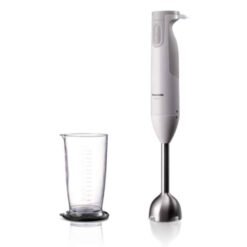
Hand Blender
Panasonic Hand Blender in Pakistan — Original, Warranty-Backed Options
Welcome to Emirates Electronics. This category is your one-stop place to compare and shop original Panasonic hand blenders in Pakistan. Whether you’re in Karachi, Lahore, or Islamabad, you’ll find compact “immersion” blenders that are easy to handle, quick to clean, and powerful enough for everyday Pakistani recipes—think lassi, daal tadka, smooth gravies for karahi, and quick chutneys.
This page is built to help you pick the right Panasonic hand blender by model, power, and attachments—without guesswork. You’ll see which models typically include a beaker, a mini chopper, or a whisk, and how speed control changes the texture of your blends. Prices and stock can change with promotions and availability, so always rely on the live price and status shown on each product tile instead of memorizing fixed figures. If you’re comparing “Panasonic hand blender price in Pakistan” across stores, keep in mind that attachment bundles and warranty terms often explain the difference you see.
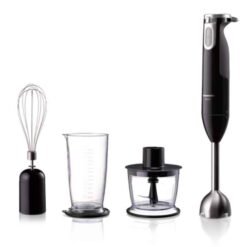
“Hand blender,” “immersion blender,” and “stick blender” are used interchangeably. All refer to a slim motor unit with a detachable blending rod you can dip directly into your pot or beaker. Panasonic’s lineup focuses on comfort, stainless-steel blades/rod for hot items, and practical attachments for small kitchens. If you need a simple daily smoothie maker, go minimal. If you batch-prep chutneys or onions, look for a beaker and chopper. If you bake, a whisk is handy. If you want the “Panasonic hand blender 3 in 1,” look for bundles that include a rod, chopper, and whisk in one box.
Shop by Model (Quick Guidance Before You Browse)
Popular Panasonic Models in Pakistan
Panasonic MX-SS1 (600W class): A versatile option widely cited with variable speed control and handy accessories such as a beaker and a mini chopper—great for multi-recipe households where you might blend hot gravies one day and prepare a small batch of chopped onions the next. (Specification patterns observed in competitor listings; exact contents may vary by bundle.)
Panasonic MX-GS1 (600W class): A simpler, one-speed hand blender with stainless steel rod and a blending beaker. If you mainly purée cooked daal/soups and make smoothies, this gets the job done without extra attachments. (Again, bundles may vary.)
Panasonic MX-SS40 (often sold as “3-in-1”): Typically marketed with rod + chopper + whisk for broader flexibility. Attachment packs differ by seller and production batch; check the accessories shown on the product tile before you order.
Filter by What You’ll Actually Use
Wattage & Power (e.g., 600W): More wattage usually means faster, smoother textures, especially for fibrous items (palak, tomatoes with seeds/skins) or nutty chutneys. A 600W class Panasonic immersion blender is popular because it balances power with safe handling for home use. If you see “Panasonic hand blender 600W price Pakistan,” understand that price differences mainly reflect attachments, model series, and warranty coverage, not just wattage alone.
Attachments: If you regularly prep onions, hari mirch, or dry fruits in small quantities, a chopper is worth it. If you bake or whip cream/eggs for desserts, a whisk helps. A beaker keeps splashes down and measurements tidy. Searches like “Panasonic hand blender with chopper,” “with whisk,” or “3 in 1” all refer to these add-ons.
Speed Control: One-speed models are straightforward and fine for basic purées. Variable speed gives you finesse—better if you’ll move between light frothing and thicker mashes. MX-SS1 is commonly listed with variable speed, while MX-GS1 is typically one-speed. Pick according to the variety of recipes you make.
Rod/Blade Material: Stainless-steel rods and blades are a practical choice for hot pots and direct-in-pan blending. Plastic attachments (like chopper bowls or beaker lids) are normal; just keep the motor head dry and away from dishwater.
Warranty & Authenticity: Prioritize original Panasonic stock with a local warranty card and proper seals. If a listing looks unusually cheap for a “Panasonic stick blender price Pakistan,” cross-check what’s actually included (chopper/whisk/beaker), and verify that a Pakistan warranty is clearly mentioned on the product page before you add to cart.
Quick Picks by Use-Case (Pakistan Context)
Everyday home cooking (Karachi/Lahore/Islamabad): For smooth daal, gravies, lassi/smoothies, and baby purées, a 600W hand blender with a stainless rod + beaker is ideal. If you also want to chop small onion/garlic batches without a big food processor, look for a model with a mini chopper.
Small cafés/home-bakers: If you whisk cream or eggs and blend sauces in small batches, bundles with a whisk attachment help. For consistent textures and speed, choose variable speed control.
Budget-focused setups: If you won’t use a chopper or whisk, save money by choosing a basic one-speed model with just the rod + beaker. You still get the core benefits of an immersion blender without paying for attachments you won’t touch.
Model Comparison (Scan-Friendly, No Guesswork)
Panasonic MX-SS1 — Versatile Control for Mixed Tasks
Where it shines: If you shift between hot gravies and small prep tasks, MX-SS1 is a flexible fit. It’s widely listed around the 600W class with variable speed control, often bundled with a beaker and a mini chopper. Many listings also highlight practical safety touches (lock/double-switch) and a comfortable, slim build. Because bundles can vary by seller or batch, always check the live product tile for which attachments (chopper size, beaker capacity, whisk availability) you’ll actually receive.
Best for: Homes that want one tool to purée daal/soups, blend smoothies, and quickly chop aromatics (onion, green chilies) without setting up a big processor.
Speed & texture: Variable speed helps you go gentle for frothy lassi and aggressive for thicker chutneys or tomato gravies without over-splashing. If you’re shopping “Panasonic immersion blender” specifically for control, this is the one to shortlist.
Panasonic MX-GS1 — Simple, One-Speed Reliability
Where it shines: MX-GS1 is widely described as a 600W, single-speed hand blender with a stainless rod and a blending beaker, emphasizing ergonomic handling and straightforward cleanup. If you don’t need a chopper or whisk, GS1 keeps the kit minimal, easy to store, and friendly for quick daily tasks.
Best for: Simple, everyday purées and smoothies—great for users who just want consistent results with the least setup and the least number of parts to wash.
Speed & texture: One-speed is perfectly fine for most cooked ingredients (soft vegetables, lentils). If you often switch between airy and dense textures, consider a variable-speed model instead.
Panasonic MX-SS40 — The “3-in-1” Convenience
Where it shines: If you’re deliberately searching “Panasonic hand blender 3 in 1” or “with chopper/with whisk,” SS40-type bundles are designed for exactly that all-in-one workflow. You typically get the hand blender rod plus a mini chopper and whisk for broader kitchen coverage without buying separate tools.
Best for: Families who meal-prep, home bakers who whisk occasionally, or anyone who wants to cover blending + chopping + whisking in a single box.
What to confirm before checkout: Attachment sizes (beaker/chopper volume), whether a whisk is included in your specific bundle, and warranty terms clearly stated on the product page. If the phrase “Panasonic hand blender with chopper” or “with whisk” brought you here, double-check the tile’s “In the Box” section to avoid surprises after delivery.
Buying Guide: How to Choose a Panasonic Hand Blender (Pakistan)
Power & Texture: Why 600W Works for Local Recipes
If you cook Pakistani staples—daal, smooth tomato gravies, haleem finishing, lassi, and chutneys—a 600W-class hand blender offers a practical balance between speed and control. Higher power helps you blitz fibrous ingredients (palak, tomato skins, nuts) into finer textures and shortens blending time in hot pots. It also means fewer stops-and-starts to clear chunks, especially when you’re working right in the saucepan to avoid extra dishes.
What power doesn’t tell you is finesse. Two blenders can share the same wattage yet behave differently because of blade geometry, rod design, and speed control. In practice, a 600W Panasonic hand blender is well-suited for most homes in Karachi, Lahore, and Islamabad; for very thick or commercial-scale jobs, look for duty-cycle guidance on the product page (how long to run continuously) and allow cool-down intervals to protect the motor.
Speed Control: One-Speed vs Variable (Pick for Your Menu)
One-speed models keep things simple and are excellent for cooked, soft ingredients—think silky daal, blended soups, and fruit smoothies. Variable-speed control gives you more range: feather-light frothing for lassi or coffee on low, and robust pulverizing for chunky chutneys or tomato gravies on higher settings. Many seller listings describe MX-SS1 with variable speed and accessories, while MX-GS1 is commonly shown as a one-speed, stainless-rod option with a beaker—useful context when shortlisting models.
If you often switch between airy and dense recipes, variable speed is worth the extra cost. If your routine is mainly smooth purées and baby food, one-speed is more than adequate and usually the best value.
Attachments: Chopper, Whisk, and Beaker—Do You Need All Three?
Chopper: Ideal for small batches of onions, hari mirch, garlic, and dry fruits. It saves you from hauling out a big food processor and reduces tears and mess when you need just half an onion for omelettes or gravies. If your search was “Panasonic hand blender with chopper,” you’re likely after this convenience.
Whisk: Handy for whipped cream, eggs, batters, and coffee froth. If you bake on weekends or run a home-based dessert microbusiness, a whisk attachment is a low-cost upgrade to your workflow. It’s also common in bundles marketed as “3-in-1.”
Beaker: Keeps splashes contained and doubles as a measuring/mixing cup. It’s especially useful when blending oil-based chutneys or dressings where container shape affects emulsification.
Many “3-in-1” sets (often associated with series like MX-SS40) combine rod + chopper + whisk, but bundles vary by seller and production run. Always confirm the “In the Box” list on the product tile before checkout.
Build & Cleaning: Stainless Rods for Hot Pots
For direct-in-pot blending of hot soups and gravies, a stainless-steel rod and blades are the practical choice. Detachable rods make cleanup faster—rinse under warm water right after use to keep spices and oils from drying on the parts. Keep the motor head dry; wipe it with a slightly damp cloth. Plastic bowls and beaker lids are normal; check your product page for dishwasher notes, but handwashing extends life and preserves clarity.
Handling & Safety: Control Splatter, Protect the Motor
Start slow to avoid splashes, submerge the blades fully before powering on, and tilt the rod slightly for a controlled vortex. For thicker foods (like chunky tomato gravies), use short pulses and move the rod around the pot rather than pushing down hard in one spot. Most hand blenders—regardless of brand—perform best when not run continuously beyond their duty cycle; if your product page mentions a recommended maximum (e.g., 1 minute on, 1 minute off), follow it. Some Panasonic listings also mention practical safety touches like lock/double-switch designs—use these as intended for safer operation.
Local Power & Kitchen Realities
Pakistan’s mains power is 220–240V, 50Hz, which aligns with typical Panasonic specifications. You generally won’t need a step-down converter, and you should avoid questionable adapters that heat up or loosen at the socket. For busy kitchens or frequent blending, plug into a properly rated outlet and keep cords away from open flame and hot pot rims. If you experience frequent voltage fluctuations, consider a basic surge protector to add a layer of safety.
City Availability & Fulfilment (Karachi, Lahore, Islamabad)
Live Stock & Delivery Windows
Stock and delivery times vary by city. Karachi often has the fastest fulfilment on in-stock items, while Lahore and Islamabad delivery windows can differ by courier and warehouse proximity. Rather than quoting a fixed number of days here (which can change with promotions and seasonal load), rely on the live status and ETA shown on each product tile and at checkout. If you’re price-comparing “Panasonic hand blender price in Pakistan,” remember that real availability (and whether the chopper/whisk is included) can explain why one listing is cheaper or more expensive on a given day.
Payment Methods & Delivery Fees
Cash on Delivery (COD) is common across major cities, but COD availability and limits can depend on order amount and location. Bank transfer and card payments are typically supported for prepaid orders. Delivery fees and free-shipping thresholds can differ during promotions—always confirm the final cost in your cart before placing the order to avoid surprises.
Packaging & Receiving the Parcel
On delivery, inspect the seal and box condition before discarding packaging. If the product includes a warranty card, make sure it’s stamped as per seller instructions. Check that the exact attachments you expected (beaker, chopper, whisk) are present. If something is missing or damaged, report it through the order page right away; most stores require quick notification to process replacements.
Warranty & Authenticity (Pakistan)
How to Confirm an Original Panasonic Hand Blender
Look for telltale signs of authenticity: intact brand seals, consistent printing on the box, and a clear model number (e.g., MX-SS1, MX-GS1). A local warranty card—often stamped or accompanied by order documentation—is a strong indicator of authorized stock. If a listing looks unusually cheap for a “Panasonic stick blender price Pakistan,” check what’s included (is the whisk/chopper actually in the box?) and whether a Pakistan-valid warranty is explicitly stated on the product page before you buy. Where sellers show box/manual photos or a “What’s in the box” list, read it closely to avoid accessory surprises.
What the Warranty Typically Covers (and What It Doesn’t)
Manufacturer warranties usually cover defects in materials and workmanship for the motor unit and electrical faults within a defined period. They don’t cover wear-and-tear on blades, mishandling (like immersing the motor head in water), or damage from incorrect voltage/adapters. Keep your invoice and the warranty card safe; some service centers ask for both. If your model includes plastic accessories (beaker lids, chopper bowls), treat them as consumables—scratches and clouding from long-term use aren’t warranty defects.
Because warranty terms may change over time and sometimes differ by batch or distributor, always rely on the warranty text shown on the product page at purchase time. If you have questions, contact the store support number before ordering and note the advice in your order communications for reference.
Returns, Replacements & After-Sales Tips
When unboxing, test basic functions (power on, quick pulse in water) before discarding the box. Keep the packaging for at least a week in case you need a quick replacement. Take photos/videos of any defect on day one—clear evidence helps support teams respond faster. If your rod doesn’t lock correctly or the chopper lid doesn’t engage the safety mechanism, stop using it and contact support with your order number, photos, and a short clip showing the issue.
Why We Avoid Fixed Prices in Content
Prices move with promos, bundles, and city stock. Publishing static numbers can mislead shoppers—especially when a “3-in-1” variant appears cheaper but actually excludes the whisk or has a smaller chopper. That’s why we point you to the live tile price and exact “In the Box” list on each product. This approach keeps information accurate and useful.
Use Cases & Recipes (Short, Practical, Pakistan-Focused)
Breakfast & Beverages: Lassi, Smoothies, and Iced Drinks
Sweet/Salted Lassi: Add chilled dahi (yogurt) to the beaker with a splash of cold water or milk. For sweet lassi, add sugar and a pinch of cardamom; for salted, add kala namak and roasted cumin. Immerse the hand blender fully before starting, then pulse in 10–15 second bursts until frothy. Variable-speed models let you start slow to prevent splashes, then increase for that café-style foam. Pour over ice and serve immediately.
Fruit Smoothies: Combine banana, seasonal mango or berries (frozen work well), milk (or a non-dairy option), and a spoon of honey or dates. Blend in the beaker for 20–30 seconds, moving the rod slightly to catch any unblended fruit at the bottom. For thicker smoothies, blend in short pulses and finish with a quick high-speed blitz. Avoid overfilling the beaker; two small batches are safer than one overflowing one.
Gravies & Daal: Silky, Consistent Textures Right in the Pot
Smooth Tomato-Onion Base: After your onions turn translucent and tomatoes soften, top up with a little water. Turn off the flame, let it stop bubbling, then submerge the stainless rod and blend to your preferred smoothness. Return to low heat to finish spices. This reduces the need for a separate countertop blender and means fewer dishes. Stir between short pulses to avoid scorching at the bottom of the pot.
Daal Finishing: When masoor or moong daal is cooked and soft, temper separately (tarka) and set aside. Use the hand blender to partially purée the daal directly in the pot—just enough to thicken while keeping some texture. Variable speed helps you control mouthfeel; one-speed models do fine with quick, short bursts. Finish with your tarka and fresh coriander.
Chutneys & Small-Batch Sauces: Fast Prep Without a Full Processor
Mint-Coriander Chutney: In the beaker, add hara dhania, pudina, green chilies, lemon juice, salt, and a spoon of yogurt for creaminess. Blend in pulses until smooth. If the blades aren’t catching leaves at first, tilt the beaker slightly and do short blasts to pull herbs into the vortex; add a spoon of water to help. For thicker, sandwich-ready chutney, use less liquid and shorter blending time.
Tomato Chutney or Salsa Fresca: Combine chopped tomatoes, onion, green chilies, lemon/lime, and salt. For a chunkier style, pulse a few times; for a smooth spread, blend longer. If your recipe has oil (e.g., garlic-chili oil), blend in the beaker and pour into a jar; the narrow beaker shape helps emulsify without a separate whisk.
Baby Food & Special Diets: Gentle, Controlled Textures
Basic Vegetable Purée: Steam carrots/potatoes until fork-tender. Add a little warm boiled water or stock to the beaker and blend to the desired consistency. Work in small batches to maintain freshness and control. The hand blender is ideal because you can adjust consistency instantly—thicker for older babies, smoother for early-stage feeding.
Protein Boosts & Allergen Care: If adding boiled lentils or chicken stock, blend thoroughly and strain if needed. Always introduce potential allergens carefully and follow pediatric guidance. Clean the rod and beaker immediately after blending to avoid residual flavors transferring to the next feed.
Baking Helpers & Desserts: Whisking and Emulsifying
Whipped Cream (with whisk attachment): Chill the cream and beaker for 10–15 minutes. Start on a low speed to prevent splatter, then increase until you reach soft peaks. Add sugar and vanilla at the end. Watch closely—over-whisking turns cream grainy; if that happens, fold in a little fresh cream to recover.
Quick Batters & Sauces: For pancake or fritter batters, blend wet ingredients first in the beaker, then add dry ingredients in parts. Mix briefly to avoid over-developing gluten. For chocolate sauce or ganache, immerse the blender at an angle and pulse until glossy. If your model is one-speed, use shorter blends and more manual stirring to avoid overmixing.
Light Commercial or Home-Business Use: Know the Limits
For cafés or home bakers preparing small batches, a hand blender is excellent for sauces, frothing, and purées. Respect duty cycles (the recommended on/off pattern) to keep the motor cool and prolong life. If you need continuous heavy blending or large volumes, step up to a commercial-grade tool; residential hand blenders aren’t intended to run like a line mixer for extended periods.
To maintain consistency across multiple servings, pre-measure ingredients into identical beakers or containers, blend for the same time, and use similar starting temperatures. This reduces guesswork and keeps your results repeatable even on busy days.
Care & Safety
Before First Use: Setup That Protects Your Investment
Unbox carefully and check all attachments: rod, beaker, and, if included, chopper or whisk. Wash food-contact parts (rod, beaker, chopper bowl, whisk) in warm soapy water and dry thoroughly. Keep the motor head away from water; it’s not dishwasher-safe. Practice attaching and detaching the rod before your first hot-pot blend—locking mechanisms click or seat firmly when properly engaged.
Confirm voltage compatibility (Pakistan’s 220–240V, 50Hz) and choose a stable outlet away from splashes and hot surfaces. If you’re using an extension, ensure it’s properly rated and kept clear of the stove area. Read any quick-start leaflet on your product page for notes about continuous run time and cool-downs; these vary by model and protect the motor.
During Use: Hot Foods, Splatter Control, and Blade Safety
Let boiling liquids settle before blending. Fully submerge the blades before starting, and keep the rod vertical or slightly angled to reduce splashes. If you need to reposition, stop the motor first—do not lift a spinning blade out of the liquid. For thicker mixtures, use short pulses and move the rod around; avoid pressing the blade guard hard against the pot base, which can scratch cookware or restrict flow.
When switching attachments (e.g., rod to whisk), unplug the unit first. For choppers, do not exceed the recommended fill line; overfilling leads to uneven results and strains the motor. If you smell overheating or the casing feels unusually hot, stop, unplug, and allow a cool-down period. Resume only when the unit returns to room temperature.
Cleaning & Maintenance: Keep It Fresh and Functional
Rinse the rod and blades immediately after use to prevent spices and oils from drying. For sticky mixtures, a quick blend in warm soapy water (motor off while dunking, then blend for a few seconds) helps clear residue—then rinse with clean water and dry. Wipe the motor head with a slightly damp cloth; never immerse it. Avoid abrasive pads on plastic parts to keep them clear and scratch-free.
Periodically check seals and couplings for wear. If the rod seems loose, inspect the lock mechanism and stop using the appliance until it seats correctly. Store with blade covers or in a drawer that protects the blade edge. Keeping the original box for a few weeks helps if you need to return or service the unit.
Storage & Longevity: Habits That Extend Service Life
Detaching the rod after each use reduces stress on the coupling. Coil the cord loosely and avoid sharp bends near the plug. Keep attachments together so you don’t misplace beaker lids or chopper blades. If your kitchen is humid, dry parts fully before storage to prevent odor buildup, especially on gaskets.
For families that blend daily, consider rotating tasks—e.g., use the chopper for onions and the rod for hot gravies—so no single attachment takes all the wear. Respecting duty cycles and giving the motor a minute to cool between tasks substantially increases longevity.
Troubleshooting: Quick Fixes vs When to Call Support
Uneven blending or chunks: Reduce batch size, add a small amount of liquid, and move the rod more slowly to draw ingredients into the blades. For leafy greens, pulse and tilt the beaker to create a stronger vortex.
Chopper not engaging: Check that the lid aligns with safety tabs and that the bowl isn’t overfilled. If alignment is fine but it won’t start, stop immediately and contact support—do not bypass safety interlocks.
Overheating or unusual smell: Unplug and allow a full cool-down. Reassess duty cycle and batch sizes. If overheating recurs quickly under light use, stop using the unit and seek service under warranty.
Blade dullness: Over years of use, blades may lose bite. You can compensate with longer soak/softening times or replace the rod assembly if the model supports it. Confirm availability for your specific model on the product page before ordering spares.
FAQS
What is the Panasonic hand blender price in Pakistan?
Prices change with stock, promotions, and attachments (e.g., chopper/whisk included). For the most accurate figure, check the live price on each product tile on our site. Comparing prices across stores? Confirm the exact bundle contents and warranty, because that’s often why two listings differ.
Is “immersion blender” the same as “hand blender” or “stick blender”?
Yes—these terms are used interchangeably. All refer to a compact motor unit with a detachable rod you can dip directly into a pot or beaker for quick blending, puréeing, and frothing.
Is there a Panasonic hand blender 3-in-1?
Yes, some Panasonic bundles are marketed as 3-in-1, typically including the blending rod plus a mini chopper and a whisk. Confirm the “In the Box” list on the product tile to ensure your selected set includes the attachments you need.
Which is better for me: an immersion blender or a jug blender?
Immersion blenders are ideal for hot pots, small batches, and easy cleaning. Jug blenders are better for larger, colder batches like family smoothies or crushed ice. Many homes keep both: an immersion blender for daily cooking and a jug blender for bigger drinks and grinding tasks.
Does Panasonic offer a hand blender with a chopper?
Yes—look for bundles that specify a mini chopper in the accessories list. The chopper is useful for onions, chilies, garlic, and dry fruits in small quantities.
What about a Panasonic hand blender with whisk?
Bundles advertised as including a whisk are great for whipped cream, eggs, and light batters. If you bake occasionally, it’s a valuable add-on that saves time over manual whisking.
How important is 600W?
For household use, 600W provides quick blending for daal, gravies, and smoothies without being hard to control. If your recipes include thicker mixtures, start at a lower speed (if available) and pulse to manage splatter and texture.
Are MX-SS1 and MX-GS1 available in Karachi, Lahore, and Islamabad?
Availability varies by city and day. Check the product tiles for live stock and delivery estimates to your location. If a bundle is out of stock locally, consider alternatives or check back during promotions.
How can I confirm the product is original with a Pakistan-valid warranty?
Look for sealed packaging, a clear model number, and a local warranty card or warranty text on the product page. If unsure, contact our support before placing your order and request confirmation for the exact bundle you’re choosing.
Do these blenders work with Pakistan’s voltage?
Yes—Pakistan’s 220–240V, 50Hz mains is standard for these appliances. Avoid low-quality adapters and keep cords away from heat sources and water for safe operation.
Can I blend hot soups directly in the pot?
Yes, if the rod and blades are stainless steel. Let active boiling settle first, fully submerge the blades, and use short pulses to control splatter. Never lift the rod while the blades are spinning.
What’s the best way to clean the rod and beaker?
Rinse immediately after use. For sticky residues, blend warm soapy water for a few seconds (with the motor running), then rinse and dry. Wipe the motor head with a damp cloth—do not immerse it.
Prices change with stock, promotions, and attachments (e.g., chopper/whisk included). For the most accurate figure, check the live price on each product tile on our site. Comparing prices across stores? Confirm the exact bundle contents and warranty, because that’s often why two listings differ.Yes—these terms are used interchangeably. All refer to a compact motor unit with a detachable rod you can dip directly into a pot or beaker for quick blending, puréeing, and frothing.Yes, some Panasonic bundles are marketed as 3-in-1, typically including the blending rod plus a mini chopper and a whisk. Confirm the “In the Box” list on the product tile to ensure your selected set includes the attachments you need.Immersion blenders are ideal for hot pots, small batches, and easy cleaning. Jug blenders are better for larger, colder batches like family smoothies or crushed ice. Many homes keep both: an immersion blender for daily cooking and a jug blender for bigger drinks and grinding tasks.Yes—look for bundles that specify a mini chopper in the accessories list. The chopper is useful for onions, chilies, garlic, and dry fruits in small quantities.Bundles advertised as including a whisk are great for whipped cream, eggs, and light batters. If you bake occasionally, it’s a valuable add-on that saves time over manual whisking.For household use, 600W provides quick blending for daal, gravies, and smoothies without being hard to control. If your recipes include thicker mixtures, start at a lower speed (if available) and pulse to manage splatter and texture.Availability varies by city and day. Check the product tiles for live stock and delivery estimates to your location. If a bundle is out of stock locally, consider alternatives or check back during promotions.Look for sealed packaging, a clear model number, and a local warranty card or warranty text on the product page. If unsure, contact our support before placing your order and request confirmation for the exact bundle you’re choosing.Yes—Pakistan’s 220–240V, 50Hz mains is standard for these appliances. Avoid low-quality adapters and keep cords away from heat sources and water for safe operation.Yes, if the rod and blades are stainless steel. Let active boiling settle first, fully submerge the blades, and use short pulses to control splatter. Never lift the rod while the blades are spinning.Rinse immediately after use. For sticky residues, blend warm soapy water for a few seconds (with the motor running), then rinse and dry. Wipe the motor head with a damp cloth—do not immerse it.
