


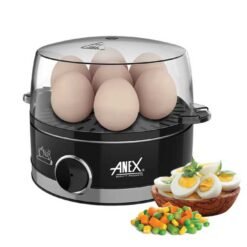
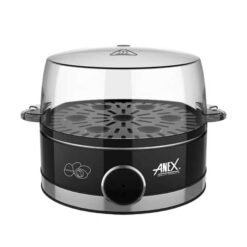
Anex Egg Boiler

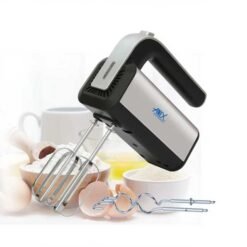
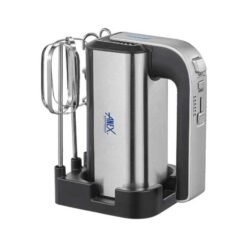
Hand Mixer
Hand Mixer
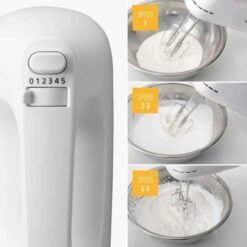
Hand Mixer
Hand Mixer Price in Pakistan (2025)
Hand mixers are the quick, compact way to mix cake batters, whip cream, beat eggs, and handle small doughs without committing to a bulky stand mixer. If you’re shopping in Pakistan, the right choice usually comes down to power (in watts), the attachments you get (beaters, whisk, dough hooks), and whether you prefer a simple handheld or a mixer that docks into a small stand with a bowl. Prices vary by brand, wattage, and warranty channel, so the fastest way to choose is to apply filters for brand, power, and attachments, then compare two or three models side by side.
For busy homes—from Karachi apartments to houses nationwide—start by matching the mixer to your most common task. Bakers who mainly whip cream or mix sponge batters can stay in the 300–400W range; frequent cookie makers may want 400–500W with dough hooks. If counter space is tight, a handheld is easier to store; if you like hands-free mixing for frosting or meringue, consider a with-bowl option. Below is a quick, shopper-first guide to help you narrow down in minutes.
Shop by Need
Baking & Cakes
If your main use is cake batter, cupcakes, or frosting, look for a mixer rated around 300–450W with at least five speeds and a turbo burst. A standard pair of beaters plus a whisk attachment covers most baking bases: the beaters handle creaming butter and sugar, while the whisk excels at aeration for lighter batters and whipped cream. In Pakistan’s warm kitchens, start slow to cut splatter, then step up through the speeds so your batter stays smooth without overworking the motor. Comfort matters too—an ergonomic handle and a light body help during longer mixes.
For Karachi home bakers working in compact kitchens, a handheld model is typically the most convenient and budget-friendly. Prioritize mixers with a clear speed dial and an easy-press eject button so you can swap from beaters to whisk mid-recipe. If you frost frequently, a storage case or clip for accessories keeps small parts tidy in a single drawer. When you check prices, compare wattage and included attachments first; those two factors explain most of the cost difference between similar options.
Creams & Egg Whites
Whipped cream and meringue need consistent speed control more than raw power. A model with steady low-to-high steps—and a proper whisk—helps build stable foam without large bubbles. For best volume, chill the bowl and cream, keep the whisk clean and dry, and let the motor work in short bursts with brief rests if the recipe takes more than a few minutes. This avoids heat build-up in the windings, which is especially helpful in warmer Pakistani climates.
When comparing prices for “electric beater for cake” or “egg beater,” check whether the whisk is included out of the box or sold separately. Mixers with storage cases command a small premium but save time and reduce lost parts. If you often whip for family gatherings or Ramadan desserts, consider a with-bowl stand so you can prep the next ingredient while the mixer runs—handy when counter space allows.
Light Doughs & Cookies
Dough hooks are great for small cookie batches and soft doughs, but they’re not a stand-mixer replacement. In the 300–400W class, expect to knead short sessions (30–90 seconds) with rests to protect the motor; step up to 400–500W if you bake cookies regularly. If you feel the mixer straining or heating up, reduce batch size or mix by hand to finish—this prolongs the life of the gears and motor.
For budget-minded shoppers in Pakistan, a handheld with hooks can definitely cover occasional doughs if you manage batch size and give cooling breaks. If your routine includes weekly cookie or pizza nights, a stand mixer or food processor may be the more economical long-term tool. While comparing “hand mixer price in Pakistan,” check for metal (not plastic) gear-couplers and sturdy, dishwasher-safe hooks—these signals often justify a slightly higher upfront cost.
Hand Mixer Price in Pakistan — What Affects the Price?
Wattage & Motor Type
Most “hand mixer price in Pakistan” differences start with wattage. Entry models sit around 200–300W for simple whipping and light batters, while 350–450W covers regular home baking, and 500W+ models add headroom for thicker mixes and longer sessions. Higher wattage generally means better torque and less strain at medium speeds, which helps the motor run cooler. For typical Pakistani kitchens, a 350–450W mixer balances performance with budget and is ideal for cakes, whipped cream, and small cookie batches. Remember that wattage isn’t everything—efficient airflow and gear design also influence real-world power and noise.
Hand mixers are usually AC-powered and optimized for 220–240V. If you’ll use the mixer during generator or UPS cycles, pick a model with smooth speed steps so it can cope with minor voltage fluctuations. Avoid running at “turbo” for extended periods; use steady medium speeds for dense batters and give the motor brief rests during long recipes. A well-matched wattage lets you work faster without overheating, extending both brush and gear life.
Attachments & Build
Prices also reflect what’s in the box. A value bundle includes the standard beaters plus dough hooks, and a whisk attachment for airy tasks; premium sets may add a storage case or stand. Stainless steel attachments are durable and easy to clean, while coated tools can feel gentler on non-stick bowls. Check the eject button mechanism and how firmly the tools lock into place—loose couplers are a red flag. Weight and handle shape affect comfort; a lighter, well-balanced body is worth a small premium if you mix often.
Clarify the difference between a true electric hand mixer and a “mini electric hand whisk.” The mini whisk is great for small kitchen tasks like frothing milk or mixing a single egg but is not designed for cookie dough or cake batters. If your primary need is baking, choose a full hand mixer with beaters and hooks; if you only need quick froths, a portable whisk saves money and drawer space. This distinction explains why “whisk beater machine price” listings can vary widely on Pakistani sites.
Speed Settings & Extras
Five to seven speeds are common, and a “turbo” burst helps start stubborn mixes. A soft-start feature minimizes splatter, especially helpful with powdered sugar or cocoa. Thoughtful extras—bowl rest notch, cord wrap, storage case, or a clip for attachments—add real convenience and can nudge the price up slightly. With-bowl/stand variants bring hands-free mixing and steadier results for frosting or meringue, but they demand more counter space. Choose extras you’ll actually use; gadgets that sound nice but never leave the box aren’t worth paying for.
Warranty & After-Sales in Pakistan
Always verify the official warranty channel and keep the stamped card or e-warranty record. Ask where the nearest authorized service point is (Karachi, Lahore, Islamabad, etc.) and how long typical parts—like beaters or eject springs—are stocked. Confirm plug type and cable length; a sturdy 2- or 3-pin plug with strain relief matters in busy kitchens. Transparent return windows and easy parts availability reduce ownership cost, which is why two mixers with similar specs can have different “hand beater price in Pakistan” levels.
With-Bowl vs Handheld — Which One’s Right for You?
Handheld Mixers
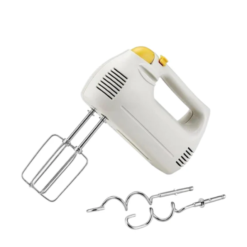
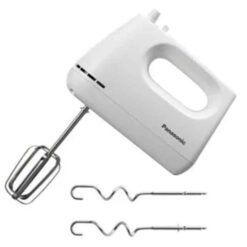
Handhelds are compact, quick to store, and usually the most budget-friendly. They shine for everyday cakes, whipped cream, omelets, and light cookie doughs when used in sensible batch sizes. The direct control—tilting the beaters, adjusting angle, scraping sides—helps you hit the texture you want with less over-mixing. If you shop “online hand mixer” in Pakistan, you’ll notice handhelds dominate because they fit small kitchens and tight budgets. For frequent bakers, choose a model with a whisk and dough hooks to cover 90% of routine tasks.
To avoid mess, start on the lowest speed and keep the beaters partially submerged before ramping up. Give the motor short breaks during thicker mixes, especially in warmer months. If your hand tires during long frosting sessions, consider a lightweight body or a with-bowl option for support. Keep the attachments together in a case or zip bag so they don’t go missing between bakes.
Mixers with Bowl/Stand
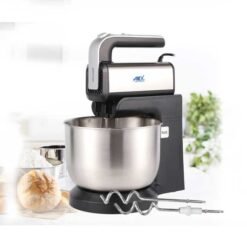
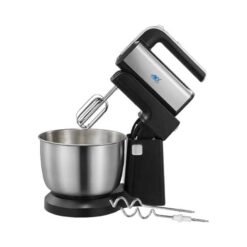
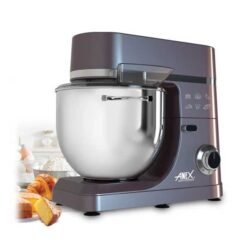
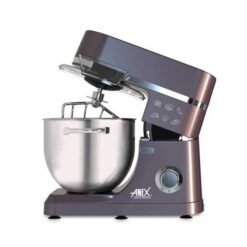
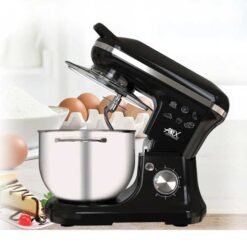
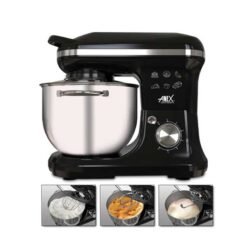
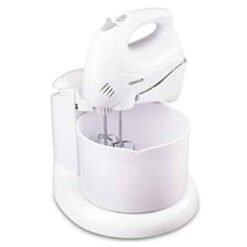
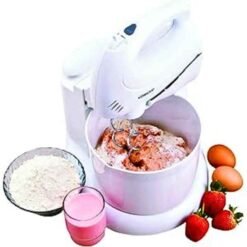
With-bowl models dock the handheld unit to a simple stand, letting you mix while measuring the next ingredient. They’re helpful for consistent meringues, buttercream, or multitasking during family meal prep. The trade-offs are higher price and permanent counter or cabinet space; make sure the bowl and stand fit your shelf height. Check bowl capacity and rotation; a rotating bowl paired with steady speed steps can deliver more even whipping. If you bake multiple times a week, the extra stability often pays for itself in time saved.
Because the motor is identical or similar to the handheld version, treat the with-bowl unit with the same duty-cycle care. Don’t assume it can knead heavy bread dough; for that, a dedicated stand mixer or dough machine is better. For “handheld mixer with bowl” shoppers, compare total accessory count and whether a whisk is included; some bundles only ship with beaters and hooks.
Real-World Pakistan Scenarios
Small Karachi apartments or hostel kitchens: choose a 300–400W handheld for cakes, omelets, and whipped cream; store it in a drawer with a simple accessory pouch. Larger households that batch-prep desserts for weekends or Ramadan may enjoy a with-bowl set for hands-free whipping and quick ingredient staging. If you experience load-shedding, plan mixes around UPS/generator cycles and avoid high turbo bursts during low voltage. Families sharing one mixer should prioritize durable metal beaters and a robust eject mechanism, since frequent swapping accelerates wear. When in doubt, buy for your most frequent task rather than the rare heavy recipe—this keeps costs reasonable and performance satisfying.
300W vs 500W — Power Guide for Pakistani Kitchens
300W Class
The 300W class covers everyday whipping, pancake batters, sponge cakes, and light cookies. It’s the sweet spot for buyers who want value and compact storage without sacrificing basic performance. Use medium speeds for longer runs and the whisk for aeration to reduce strain. Manage batch size rather than pushing turbo for minutes at a time; short bursts with rests prolong motor life. If you often bake for two to four people, a 300W model is usually enough and cheaper to replace if accessories are lost.
For “electric hand mixer in Pakistan” listings, 300W units typically include beaters and hooks; some add a whisk. If hooks feel sluggish in thicker cookie dough, finish by hand or split the batch. The goal is consistency, not brute force—proper technique and pauses matter more than raw wattage. Keep the vents clear and avoid covering the rear intake with your palm to prevent heat build-up.
400–500W Class
Stepping up to 400–500W gives extra torque for frequent baking, stiffer batters, and slightly larger batches. These mixers maintain speed better under load, so textures come together faster and more evenly. Expect a small jump in price for heavier internals and more complete accessory packs. If you routinely make buttercream, cookies, and holiday desserts, the upgrade pays off in control and time saved. Just remember a hand mixer—regardless of wattage—is not a heavy “dough mixer machine for home” for bread; that’s a different appliance class.
Keep an eye on duty cycle: mix for a few minutes, rest briefly, and resume. Use the right tool for the job—hooks for dough, beaters for batters, whisk for aeration—to prevent overloading the gears. If the body warms noticeably, pause and let airflow do its work.
Generator/UPS Considerations
Pakistan runs on 220–240V, and most hand mixers are designed for this range. On UPS or generator power, avoid high-draw turbo starts; begin at a low setting and increase gradually. A basic surge protector helps protect the motor electronics during fluctuations. If voltage dips, reduce batch size and speed to keep the motor from laboring. Store attachments dry to prevent corrosion, especially in coastal cities.
Attachments & Accessories
Beaters, Dough Hooks, Whisks — What Each One Does
Beaters: your everyday tools for cake batters, creaming butter and sugar, brownies, and muffin mixes. Their flat design moves ingredients efficiently without over-aerating dense mixes.
Dough hooks: best for small cookie batches and soft doughs. Work in short kneading sessions (30–90 seconds) with rests so the motor stays cool. If dough creeps up the hook, lower the speed and scrape down.
Whisk: the aeration specialist for whipped cream and meringue. Keep it spotless and dry; any grease ruins foam stability. Chilled metal bowls boost volume in warmer Pakistani kitchens.
How to Read the Box/Specs
Scan for wattage (match to tasks), speeds (5–7 is common), and accessories (beaters + hooks + whisk). Inspect the eject button, tool couplers, and grip comfort. Storage cases are worth a small premium because attachments don’t go missing.
Materials matter: stainless steel attachments last longer and clean easier. For “portable electric egg beater” listings, confirm whether it’s a mini frother (milk/eggs) or a full hand mixer—this is why “whisk beater machine price” varies widely online.
Replacement Parts & Availability
Before checkout, confirm spares—beaters, hooks, eject springs—are available via the brand’s Pakistan channel. Save the model number and a photo of the coupler shape (they differ by brand). Easy parts access often beats a slightly cheaper, no-spares model over time.
Brand‑Smart Shopping
How to Compare Across Brands Without Hype
Compare wattage, accessory set, speed control feel, weight/ergonomics, and warranty channel. If you bake and whip weekly, choose a set that includes both hooks and a whisk. Balance price against after-sales access in your city; service and spares lower total ownership cost.
Navigating Our Brand Sub‑Categories
Want to filter by brand quickly? Use the brand pages under the Hand Mixer category (links below) to compare only the models you care about. It’s the fastest way to match wattage, attachments, and budget without scrolling through unrelated products.
Care, Safety & Usage Tips
Mixing & Whipping Basics
Start slow to prevent splatter, then increase speeds as ingredients combine. Keep the beaters partially submerged, tilt the bowl to incorporate edges, and pause to scrape down. For fluffier sponges and creams, finish with the whisk at a medium setting rather than blasting turbo.
Motor Care
Think in short sessions with brief rests—especially for dough. Keep vents clear, don’t block rear air intakes with your palm, and avoid running on turbo for minutes. If the housing warms, stop and let it cool; good habits extend brush and gear life.
Cleaning
Unplug first, eject tools, and wipe the body with a slightly damp cloth. Most stainless attachments are dishwasher‑safe, but check the product page to be sure. Dry tools thoroughly to prevent rust, especially near the coast.
FAQs
What’s the best hand mixer for baking
There isn’t one “best” for everyone—look for 350–450W, 5–7 speeds, and both whisk and hooks if you bake weekly. If you mainly whip cream and make sponges, a lighter 300–350W unit with a whisk is ideal.
Can a 300W mixer handle cookie dough
Yes, for small batches with pauses. For frequent, thicker doughs, consider 400–500W—or switch to a stand mixer or food processor.
Is an electric beater good for cakes
Absolutely. Use beaters for creaming and a whisk for aeration. Start slow and step up to avoid dense or overworked batter.
Hand beater vs egg beater vs hand mixer—what’s the difference
In Pakistan, terms overlap. “Hand mixer” usually means a powered device with beaters; “egg beater” can mean the same or a simple manual whisk. Check photos/specs to confirm.
Handheld vs with bowl—what suits a small kitchen
Handheld saves space and cost; with‑bowl gives hands‑free convenience for frequent whipping. Choose based on how often you bake and your counter space.
How do I check genuine warranty
Buy from authorized channels, keep the stamped card/e‑warranty, and confirm your nearest service point (Karachi/Lahore/Islamabad).
There isn’t one “best” for everyone—look for 350–450W, 5–7 speeds, and both whisk and hooks if you bake weekly. If you mainly whip cream and make sponges, a lighter 300–350W unit with a whisk is ideal.
Yes, for small batches with pauses. For frequent, thicker doughs, consider 400–500W—or switch to a stand mixer or food processor.
Absolutely. Use beaters for creaming and a whisk for aeration. Start slow and step up to avoid dense or overworked batter.
In Pakistan, terms overlap. “Hand mixer” usually means a powered device with beaters; “egg beater” can mean the same or a simple manual whisk. Check photos/specs to confirm.
Handheld saves space and cost; with‑bowl gives hands‑free convenience for frequent whipping. Choose based on how often you bake and your counter space.
Buy from authorized channels, keep the stamped card/e‑warranty, and confirm your nearest service point (Karachi/Lahore/Islamabad).
