Baby Care in Pakistan — Bottle Sterilizers, Warmers & Helpful Newborn Guides
Welcoming a baby is equal parts joy and logistics. This category gathers the baby-care appliances most parents in Pakistan actually use—especially bottle sterilizers and warmers—plus quick, friendly guides so you can set up a safe, low-stress routine at home. Browse the sub-categories below, skim the checklists, and call us if you’re unsure which model suits your kitchen, schedule, or power setup. Availability, prices, and warranties vary by brand; always confirm on the product page or by phone.
Shop by Category
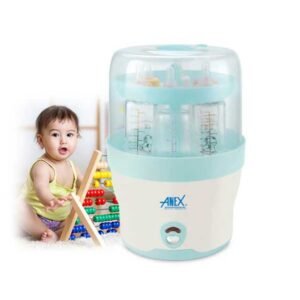
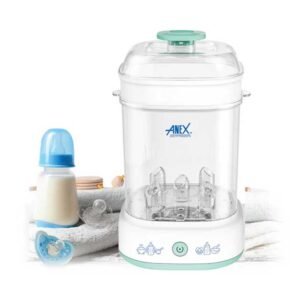
Baby Bottle Sterilizers
Choose between electric steam, UV, or microwave designs depending on space and routine. Capacity matters if you prep many bottles per day, while drying functions help in humid weather. Look for BPA-free parts, auto shutoff, and easy descaling. Pakistan’s 220V power is standard—just match plug type and check the unit’s wattage if you plan to use it with an inverter or UPS. Explore: Baby Bottle Sterilizers.
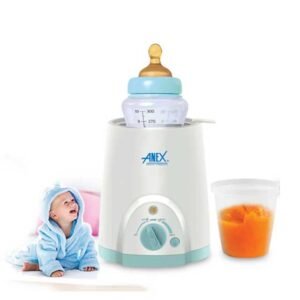
Baby Bottle Warmers
Warmers vary by heating method (steam bath vs. waterless/thermal), temperature control, and cycle time. If you warm expressed breastmilk, prefer precise, gentle presets; for nighttime feeds, consider models with timers and audible alerts. Travelling? A compact unit or car-adapter option can be a lifesaver. During load-shedding, check power draw and whether your UPS/inverter can handle it. Explore: Baby Bottle Warmers.
Prefer to see everything in one place? Start at the Baby Care hub: Shop Baby Care.
(Note: The competitor you shared focuses heavily on skincare ranges and India-specific messaging; we’ll keep our guidance appliance-first and locally relevant to Pakistan.)
How to Choose (Quick Buying Guides)
Choosing a Sterilizer (Checklist)
Start with your routine: how many bottles you use in 24 hours, how quickly you need a cycle done, and the space you have on the counter. Electric steam models are the everyday workhorse; UV units add drying and low-heat sanitation; microwave tubs are compact and travel-friendly. In Pakistan, 220V is standard, but it’s still smart to check plug type, wattage, and whether your UPS/inverter can comfortably handle peak draw during load-shedding. Karachi’s water can leave limescale, so prefer units with easy descaling and removable racks you can rinse in seconds.
Think about bottle compatibility (wide-neck vs. standard), height of teats/pump parts, and whether you’ll sterilize small items like pacifiers and nipples together. A drying function helps in humid months; a timer and auto shutoff reduce guesswork during late-night routines. For small kitchens, a slim footprint or stackable trays keep things tidy. If you pump or prep multiple feeds, larger capacity and faster cycles beat fancy extras you won’t use daily.
• Capacity: fits a day’s bottles and accessories.
• Cycle time & drying: match your schedule and climate.
• Compatibility: works with your bottle brand/size.
• Maintenance: simple descaling; removable racks/trays.
• Power: wattage friendly for UPS/inverter; clear auto-off.
Choosing a Bottle Warmer (Checklist)
Warmers differ by heating method and temperature control. For expressed breastmilk, gentle, precise warming protects nutrients; look for presets around body temperature and sensors that prevent overheating. Formula users may prefer faster steam cycles and audible alerts. Night feeds are easier with delay timers, memory settings, and visible water reservoirs you can prep before bed.
If you travel between cities or visit family, a compact warmer or car-adapter option is helpful. Consider cleaning: narrow tanks collect scale faster in hard water; a wider reservoir is easier to scrub. Check real-world cycle times with a full bottle, not just the box claims, and confirm bottle fit for your preferred brand and size. As with any appliance, verify the plug and wattage for safe use on backup power.
• Milk type: gentle presets for breastmilk; speed for formula.
• Precision: consistent target temps; avoid hot spots.
• Convenience: timers, alarms, night-light, memory mode.
• Portability: compact body; car-adapter or travel-friendly.
• Care: easy descaling and accessible reservoir.
Budget & Warranty Considerations
Prices vary by brand, capacity, and features such as drying or digital control; always confirm current price and warranty on the specific product page or by calling. A slightly higher upfront cost can pay off if you’re sterilizing daily for months—especially with faster cycles, reliable sensors, and sturdier baskets. For use on UPS/inverter, a modest wattage model may reduce nuisance trips and extend backup runtime.
Check warranty length and who provides after-sales service in Pakistan, plus availability of spare baskets, seals, and lids. Inspect packaging for intact seals and serial numbers, and keep your purchase invoice. If you’re unsure, call 0339 2009000 for quick guidance from our Karachi team before you buy.
• Verify price/warranty on the product page or phone.
• Balance features vs. daily use (speed, drying, precision).
• Consider power draw for load-shedding scenarios.
• Prefer models with easy-to-find accessories/spares.
• Keep receipts/serials for smooth warranty claims.
Safe Use, Cleaning & Maintenance
Sterilizers
Before first use, rinse all removable parts and run one empty cycle to clear any factory residue. Use clean water in the tank and keep the unit on a dry, level surface away from splashes. In Karachi and other hard-water areas, limescale builds up quickly; descale weekly or when you see chalky deposits using a mild descaler or a vinegar solution per the manual. After each cycle, let bottles air-dry inside the closed chamber if your unit lacks a drying mode, and store them with lids on to keep them dust-free.
For longevity, avoid overfilling the basket—steam needs space to circulate. Replace worn seals, baskets, or filters at the first signs of warping or cracking. If your unit trips power on UPS/inverter, reduce concurrent loads and ensure the system’s VA rating comfortably exceeds the sterilizer’s wattage. Wipe the exterior with a damp cloth only; never immerse the base in water. Unplug after use and allow the heating plate to cool before cleaning.
Warmers
Always check milk temperature on your wrist before feeding; warmers heat faster with less liquid in the bottle, so cycle times can vary. For expressed breastmilk, use the gentlest setting that reaches a lukewarm, body-temp feel—overheating may affect taste and nutrients. Swirl (don’t shake) to distribute heat and avoid hot spots. For formula, follow the tin’s mixing guidance and warm only after mixing with safe drinking water.
Empty the reservoir daily, leave the lid open to dry, and descale as soon as you see residue. If your water is very hard, rotate between boiled-and-cooled water and filtered water to slow scale. Keep the unit away from curtains and wooden shelves—steam needs ventilation. On backup power, check that the warmer’s wattage won’t shorten runtime during load-shedding.
Common Issues & Fixes
Slow heating or incomplete cycles: descaling usually restores performance; also ensure baskets aren’t packed too tightly. Residue or odd smell: switch to filtered water and run one empty cycle with a descaling solution, then two with clean water. Sensor or auto-off errors: unplug, let the unit cool fully, clean the heating plate/sensors gently, and retry. If problems persist, stop use and contact the seller for service advice.
Newborn Baby Care Info Hub (Helpful Guides)
Diapering Basics in Pakistan
Newborns typically need frequent changes—plan for several diapers per day and a gentle routine to prevent rashes. Wipe front to back, pat dry (don’t rub), and allow a brief air-dry moment before putting on a fresh diaper. Choose wipes and creams with simple, baby-safe formulas; if irritation appears, reduce fragrances and switch to a milder option. In hot, humid months, check more often to keep skin dry and comfortable.
Fit matters: a diaper that’s too tight traps moisture and leaves red marks, while a loose one leaks and increases laundry. Overnight, consider one size up for extra absorbency, and use a barrier cream if your baby is prone to rashes. Dispose of diapers responsibly and wash hands thoroughly; if you prefer cloth, keep a separate pail and wash in hot water with a mild detergent.
Bath Time & Skin Care
For most newborns, a quick bath a few times a week is enough—focus on face, neck folds, hands, and diaper area daily. Choose a mild baby wash and shampoo; a tiny amount goes a long way. Use comfortably warm water and support the head and neck; line up towels, clean clothes, and a fresh diaper before you start so baby doesn’t chill. In winter or in air-conditioned rooms, warm the space first and keep baths brief.
After bathing, gently pat dry and apply a light moisturizer if skin feels tight—especially in drier climates or during the winter season. Massage oils are optional; if you use one, patch-test and avoid heavy fragrances. Wash cloths frequently and sun-dry when possible. Replace bath sponges and washcloths regularly to keep things hygienic.
Daily Hygiene & On-the-Go
Build a small go-bag: diapers, wipes, disposable bags, a spare outfit, a compact changing mat, and a few sterilized pacifiers or clean bottle nipples in a sealed container. Keep a travel-sized sanitizer for your hands and a soft cloth for quick cleanups. If you warm bottles outside the home, plan for warm water access or carry a travel warmer that suits your power situation. For car trips, secure all gear and avoid placing warmers or hot water within a baby’s reach.
At home, rotate bottle nipples every few months or sooner if they crack or clog. Check expiry dates on toiletries and formula, store them per label guidance, and keep everything out of direct sunlight. If you’re ever unsure about a product or routine, call our Karachi team for practical, brand-neutral guidance.