
Philips Steam Iron
Showing the single result
-
Home Appliances, Philips Steam Iron, Steam Iron
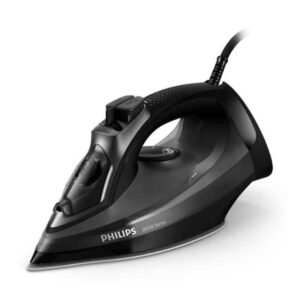
Philips Steam Iron 5040
0 out of 5(0)- Water tank capacity: 320 ml
- Soleplate name: Steam Glide Plus
- Tap water suitable: Yes
- Drip Stop: Yes
- Extra stable heel rest: Yes
- Extra large filling hole: Yes
- 2600 W power
- 45 g/min continuous steam
- 200 g steam boost
- Steam Glide Plus
SKU: n/a
Showing the single result
Philips Steam Iron in Pakistan (Original & Warranty-Backed) | Emirates Electronics
Shop Original Philips Steam Irons in Pakistan
Why buy from Emirates Electronics (Karachi-based, nationwide delivery, human support)
If you’re shopping for an original Philips steam iron in Pakistan, you want clarity, not hype. At Emirates Electronics, we prioritize practical help, verified products, and quick support so you can press clothes with confidence. Our team is based in Karachi and serves customers nationwide, which means you can call us for product guidance before you buy and reach us easily if you need after-sales help. We keep our explanations plain: what each model does, who it suits, and how to check the latest price and stock without guesswork. If something varies by model—like steam boost, soleplate type, or auto shut-off—we’ll say that up front instead of burying it in fine print.
Prefer human assistance? Call or WhatsApp 0339 2009000 to speak to a person who understands local fabric types like lawn, viscose, and cotton blends. If you’re nearby, you can get guidance at our Karachi office during working hours. We also ship nationwide so you don’t have to travel for a good deal on a genuine unit. For quick self-browsing, you can start directly on our Philips category or view all brands in steam irons; both pages show in-stock models and current offers where available.
100% original products & brand warranty—what “original” means
“Original” means the iron is sourced through legitimate channels, with authentic packaging, serials, and user documentation. In practice, that gives you two things: consistent performance and support if something goes wrong during the warranty period. We do not re-box or mix parts. If an iron includes features like calc-clean, auto shut-off, or a ceramic soleplate, they are part of the model you’re actually receiving—not a generic label. Because different Philips sub-models can look similar, we recommend comparing the exact model code on the product page before checkout. If you’re unsure, call us and we’ll confirm the features you care about—like 2200W heating, ceramic soleplate, or vertical steam support—on the precise unit you plan to buy.
Warranty coverage is provided at the brand or authorized service level (varies by model and batch). Keep your invoice and packaging for a smooth claim experience. Our role is to guide you through the process—what documents are needed, where to take the unit, and how to describe the issue for a faster resolution. If you want the simplest path: save our number, and if you ever encounter a fault, reach out first so we can direct you correctly.
Pick-up & assistance at our Saddar, Karachi office
You are welcome to visit our office for guidance and purchase support at Office No. 206, 2nd Floor, Seema Electronics Centre, Abdullah Haroon Road, Saddar, Karachi. If you’ve shortlisted a few Philips models online but can’t decide between, say, a ceramic soleplate and a non-stick option, we’ll walk you through which one glides better on the fabrics you actually wear—lawn, chiffon, denim, or mixed cotton. For nationwide buyers, we provide the same clarity over the phone and ship to your location with careful packaging. We aim for straightforward advice that helps you choose once and choose right.
Ready to browse now? Start with our dedicated Philips selection or scan all steam irons and then filter by the features you want.
Philips Steam Iron category
Steam Iron (all brands)
Quick Filters to Find Your Philips Iron Faster
By wattage/output: 2000–2200W and 2400W+
Wattage affects heat-up speed and how steadily your iron maintains temperature during continuous pressing. In Pakistani households where ironing often happens in larger batches on weekends, a 2000–2200W Philips steam iron is a practical sweet spot: fast enough for daily wear, efficient enough for mixed fabrics, and typically budget-friendlier. If you’re tackling heavier cotton, denim, or frequent linen, stepping into 2400W+ territory can feel noticeably punchier and more forgiving on stubborn wrinkles. Remember that wattage is just one factor; steam rate, soleplate, and boost power also shape real-world results.
For buyers who press school uniforms and office wear for the week in a single session, the extra overhead of higher wattage can save minutes per garment. If your usage is lighter—quick touch-ups or 2–3 outfits at a time—staying around 2000–2200W keeps costs in check without compromising quality. When comparing models online, look at the trio of wattage + continuous steam + boost rather than wattage alone; these combined tell you how the iron behaves on tough creases versus regular de-creasing.
By soleplate: ceramic vs non-stick
Ceramic soleplates are valued for their smooth glide and even heat, especially useful on commonly worn Pakistani fabrics like lawn and viscose. They resist sticking when used properly and tend to feel “softer” across delicate textures. Non-stick soleplates are easy to maintain and can be more forgiving if your technique is casual, but they may not feel as luxuriously smooth as good ceramic coatings. If you frequently iron embroidered or delicate dupattas, ceramic can reduce drag and help prevent snagging when you’re careful with temperature.
Consider your ironing board and routine too. If you iron on a compact board or rush through multiple fabrics back-to-back, ceramic’s consistent glide can reduce wrist fatigue. For shared households where different people iron and care is inconsistent, a durable non-stick plate can be a safe pick. Whichever you choose, match the temperature to fabric labels and use steam only where recommended to avoid shine or water spots.
By features: vertical steam, steam boost, anti-calc/calc-clean, auto shut-off
Feature sets often decide comfort and garment finish. Vertical steam helps freshen abayas, suits, and kurtas on a hanger without setting up the board—great for last-minute touch-ups. Steam boost (the short, stronger burst) is your ally against thick seams and stubborn creases. Anti-calc/calc-clean features are important in hard-water cities like Karachi; they help reduce limescale build-up that can otherwise block steam vents and mark fabrics. Finally, auto shut-off is a home safety essential if you have kids or get interrupted mid-press; it powers the iron down after inactivity.
When shortlisting, decide which two features matter most for your household and ensure your chosen Philips model has those as standard. For example, if you often de-crease long curtains or hanging outfits, put vertical steam near the top. If you do weekly large batches, prioritize stronger steam boost and calc-clean. This way you avoid paying for features you’ll rarely use while still covering your real routines.
By use-case: daily wear, formal suits, denim/linen, travel-friendly picks
For everyday lawn and cotton blends, a mid-range Philips with ceramic or high-quality non-stick and reliable continuous steam is usually perfect. Formal suits and abayas benefit from vertical steam to refresh and relax fabric without crushing structure. If heavy denim and linen are frequent in your wardrobe, look for higher boost numbers and a plate that retains heat well across wide passes. For travel, compact Philips models or a handheld garment steamer offer speed and convenience in tight spaces.
Pakistan’s climate and lifestyle patterns also matter. In humid months, quick vertical refreshes can keep garments presentable between full presses. During wedding seasons or formal events, the precision of a steam iron helps with crisp pleats and collars, while a small steamer can handle dupattas and delicate overlays. Consider building a two-tool set—an iron for structured finishing and a handheld steamer for fast refresh—if your wardrobe spans both ends.
Popular Philips Series & Notable Models (Examples)
Everyday irons (value-first)
Think of everyday Philips irons as the reliable workhorses: steady heat, consistent steam, and straightforward care. Typical traits include continuous steam suitable for daily fabrics, practical tank sizes, and entry calc-clean systems. They’re designed to be intuitive—fewer knobs, clear icons, and plates that glide well without demanding expert technique. If you’re on a sensible budget but want authentic performance, this tier is where most households should begin.
In this range, pay attention to the model code and the plate description (e.g., ceramic vs non-stick). Some units highlight “fast heat-up” or “powerful steam boost,” which are helpful but will still sit below performance-tier bursts. For most Pakistani wardrobes—shirts, trousers, shalwar kameez, school uniforms—these irons offer great day-to-day results without overcomplicating maintenance. If your laundry volumes are moderate and space is tight, this balance is ideal.
Performance irons (more steam, smarter features)
Performance-tier Philips irons are built for tougher creases and longer sessions. You’ll generally see higher steam boost numbers, refined soleplate coatings for friction reduction, and safety add-ons like auto shut-off. These are the models that make linen and heavy cotton less of a chore, especially if you iron for multiple family members in one go. If you have ever felt your older iron “runs out of steam” or struggles to keep up, moving to this tier can be transformative.
Before you jump, assess your habits. If you frequently mix delicates with heavy garments in one session, make sure the dial and steam controls are easy to adjust on the fly, and that the iron recovers temperature quickly after a strong boost. Also confirm the calc-clean process is simple enough that you’ll actually do it; a feature only helps if it’s easy to use. When in doubt, call us and we’ll compare two short-listed models against your exact fabrics and time constraints.
Model family example: GC2998-style options
Shoppers often mention a GC2998-style Philips iron when they want more steam in a familiar form factor. Units in this family (and similar performance tiers) usually combine higher steam output with a smooth, durable soleplate, suiting heavier fabrics and long, uninterrupted pressing. They’re reassuring if you routinely tackle cotton-rich trousers, structured kameez, or formal shirts that must look “boardroom crisp.” As always, check the precise sub-model: within a family, boost strength, plate detailing, and safety features can vary.
Who it suits: households pressing for multiple people, or anyone who dislikes going over the same crease twice. Who might not need it: solo users who iron only a few items a week or mostly do quick refreshes. In that case, a mid-range everyday Philips can be just as satisfying and easier on budget.
Beyond basic irons: steam generator irons & steam press options
If you’re chasing the fastest route through heavy laundry, consider a Philips steam generator iron. These pair a base water tank with the iron to deliver more continuous steam for longer without frequent refills. They shine for linen bedding, curtains, and big weekend batches. The trade-offs: they take a bit more storage space and cost more up front. If your wardrobe is mostly light lawn and casual cotton, a standard steam iron will likely meet your needs without the extra footprint.
Some users ask about a steam press for clothes (the clamshell-style board). It delivers flat, uniform pressure and is great for sheets or straight seams, but it’s less flexible around complex shapes, pleats, collars, and embroidery. For most Pakistan households, a good Philips steam iron (possibly paired with a handheld steamer) balances speed, precision, and storage better than a press machine.
Steam Iron vs Handheld Garment Steamer — Which Suits You?
When a steam iron is better
Choose a Philips steam iron when you care about crisp, structured finishes—sharp collars, pleats, and exact edges on shirts and shalwar kameez. The hot soleplate provides direct contact, flattening fibers in a way steam alone can’t. If you wear heavy cotton, denim, or linen (wedding season, office formals), an iron’s steam boost plus plate pressure wins. It’s also the right tool when you want polished results that last all day, not just a quick de-wrinkle.
Local example: for Karachi’s year-round mix of lightweight lawn and heavier cotton, a mid-to-high tier Philips iron with ceramic soleplate offers glide for delicate pieces yet still packs enough boost to tame stubborn seams. If you often press uniforms for multiple family members on weekends, the iron’s consistency and edge precision will be appreciated.
When a handheld garment steamer wins
Pick a Philips handheld garment steamer if speed and convenience matter more than perfect creases. Steamers are ideal for delicate textiles—chiffon, georgette, embellished dupattas—because they freshen and relax fibers without heavy plate contact. They’re also brilliant for vertical work: hanging suits, abayas, and curtains. If your weekday routine is “grab and go,” a steamer can rescue an outfit in minutes.
Trade-offs: handheld steamers are not replacements for an iron when you need razor-sharp lines. They’re best for in-between refreshes, travel, or fabrics that show sheen under a plate. Many Pakistan households enjoy the combo: keep a steam iron for main presses and a handheld steamer for midweek touch-ups and delicate layers.
The smart combo for Pakistani wardrobes
Consider a two-tool setup if your closet spans delicate lawn to formal suiting. Use the steam iron on weekends for full presses—collars, cuffs, trouser seams—and deploy the handheld steamer on weekdays to smooth wrinkles without setting up the board. This approach is especially helpful during humid months when garments pick up creases easily. It also reduces wear on delicate embroidery because you’re not repeatedly dragging a hot plate across the same area.
Unsure which way to go? Call 0339 2009000 and tell us your top three garments by fabric. We’ll recommend either a higher-boost Philips iron, a compact steamer, or the right combination within your budget—and confirm availability before you place an order.
How to Choose the Right Philips Iron (Pakistan-Focused)
Match to household size & laundry volume
Start by estimating how much you iron per week and how long each session lasts. If you press a few outfits at a time, a mid-range Philips steam iron around 2000–2200W with dependable continuous steam will feel fast without being overkill. For larger households that iron uniforms and formal wear for several people in one sitting, consider a higher-output model with stronger steam boost and a plate that holds heat across wide passes. The less your iron “cools off” during back-to-back garments, the fewer repeat strokes you’ll need.
Tank capacity and refilling convenience matter more than most buyers expect. Smaller tanks are lighter and easier to maneuver, which helps during quick touch-ups. Bigger tanks reduce mid-session stops, which is useful when your weekend pile includes heavy cotton and linen. Also check cord length and strain relief—if your board is near a corner, a longer, flexible cord keeps your wrist neutral and reduces snagging, making long sessions less tiring.
Fabrics common in Pakistan: lawn, viscose, chiffon, cotton-rich
Pakistan wardrobes often mix lightweight lawn and viscose with cotton-rich pieces and occasional denim. For lawn and viscose, a ceramic soleplate typically glides more smoothly and helps maintain even heat at modest settings; combine it with light steam to avoid over-dampening. For cotton-rich shirts and trousers, continuous steam plus a solid steam boost makes short work of stubborn creases. When you switch between fabric types in one session, a model with clear temperature markings and responsive heat recovery saves time and guesswork.
Chiffon and embellished dupattas are delicate and prone to shine if you hover too long at high temperatures. Use lower heat, keep the iron moving, and apply steam sparingly—or handle delicate layers with a handheld garment steamer to refresh without plate contact. For dense seams and cuffs, the boost button is your friend; use it in short bursts and let the plate recover for a second before moving on. This rhythm gives you crisp finishes without oversaturating the fabric.
Water quality & limescale realities (Karachi hard water)
Hard water increases mineral build-up in the steam chamber and vents, which can slow steam and cause speckling on light fabrics. Philips models that include anti-calc/calc-clean are designed to address this, but cadence matters: running a brief calc-clean on a schedule (e.g., every 1–2 weeks in Karachi if you iron often) keeps performance consistent. If your area water is extremely hard, alternate between tap and filtered water as advised by your model’s manual; following the manufacturer’s guidance extends the iron’s life and reduces clogging.
Recognize early signs of scale: the steam feels weaker, or you see white flakes around the vents. Before assuming a fault, run the model’s recommended cleaning cycle and wipe the soleplate when cool. If the issue persists, call us and we’ll help you rule out common culprits like a partially closed steam slider, incorrect temperature setting for steaming, or using boost repeatedly without brief recovery intervals. These tweaks restore full performance in many cases.
Safety at home: auto shut-off, cord design, vertical steam around kids
Auto shut-off is a meaningful safety layer for busy homes—if the iron is left still on the board or resting on its heel, it powers down after a short period. This reduces anxiety when you’re juggling calls, guests, or school runs. A stable heel rest and a secure cord joint matter too; they keep the unit balanced during pauses and reduce accidental tugs. If you store your iron on a high shelf, choose a model with a clip or wrap guide so the cord doesn’t dangle and tempt curious hands.
Vertical steam is extremely handy for quick refreshes on hanging garments, but be mindful of bystanders. Keep children away from the steam path, hold the fabric taut to avoid sudden folds, and use measured bursts. For curtains and long abayas, work from top to bottom and let sections dry for a few seconds before moving on. Treat steam with respect—its temperature can surprise you even at moderate settings—and always return the iron to a stable base between passes.
Care, Calc-Clean & Longer Life
Using calc-clean/anti-calc correctly
Each Philips steam iron implements calc-clean a little differently, but the goal is the same: flush mineral deposits before they clog vents. Build a simple routine: when you notice steam softening or after a set number of sessions, follow your model’s specific steps (often: fill to a mark, heat, unplug, activate calc-clean over a sink, then purge). Doing this regularly in hard-water cities like Karachi prevents performance dips that feel like “my iron is getting weak.”
If your unit includes an anti-calc cartridge or function, don’t postpone replacements beyond the guidance—efficiency drops gradually and can mask as “this model isn’t powerful.” After cleaning, wipe the soleplate with a soft cloth (when cool) and check vents for loosened debris. Avoid poking vents with sharp objects; instead, use a wooden toothpick or a soft brush so you don’t damage coatings or enlarge holes, which can affect steam direction.
Soleplate care: ceramic vs non-stick
For ceramic soleplates, the main enemies are scorched residues and abrasive pads. If you ever notice residue, let the plate cool, then wipe with a damp microfiber cloth and a small amount of mild dish liquid; dry thoroughly. For tougher marks, use a plate-safe cleaner, not kitchen scouring powders that can dull the finish. Keep starch sprays light—overuse creates build-up that drags on delicate fabrics and leaves marks on lawn.
Non-stick plates are forgiving but still need attention. Clean them with a soft cloth and avoid metal scrubbers that can scratch the coating and create hot spots. If you accidentally glaze the plate (e.g., from synthetic fibers at high heat), don’t scrape; warm the plate slightly and use a non-abrasive cleaner to lift the film. Whichever plate you choose, store the iron only when fully cool and dry, and avoid resting it face-down even for a moment on the board cover—this habit prevents prints and prolongs coating life.
Water tips: tap vs filtered; what varies by model
Most modern steam irons tolerate tap water within recommended hardness ranges, but performance and maintenance improve when you follow the manual’s mixing advice for your city’s water. If guidance suggests a ratio (for example, 50% filtered with 50% tap), stick to it; pure distilled water can sometimes interfere with sensors or steam generation in certain designs. When you refill, give the tank a brief moment to settle before pressing again—this helps avoid spurts that can leave water spots on dark fabrics.
Empty the tank after long sessions so water doesn’t sit and deposit minerals as it evaporates. If you iron daily, do a quick end-of-week routine: run a short steam burst over a sink, cool the iron, wipe the plate, and coil the cord loosely. These tiny habits eliminate many “mystery” issues, from random specks on shirts to sticky glide. If you need frequent vertical refreshes for delicate clothing, consider pairing your iron with a Philips handheld garment steamer—it reduces plate wear on fragile textiles and shortens weekday routines.
Prices, Stock & Warranty (Straight Talk)
Philips steam iron price in Pakistan — what affects it
Prices vary by wattage, soleplate materials, steam rates, and safety features such as auto shut-off. Model families may also include small design differences—cord length, anti-drip behavior, or tank size—that influence cost and comfort. Market conditions matter too: import cycles, currency changes, and seasonal demand (wedding seasons, back-to-school) can affect shelf price. Rather than quoting a number that may change, we help you compare models side-by-side and confirm what’s in stock today.
To get the most value, shortlist 2–3 models with the features you actually use—e.g., ceramic plate plus vertical steam, or higher boost plus calc-clean—and then confirm which one is currently in stock. If you’re on a strict budget, tell us your ceiling and primary fabrics; we’ll direct you to the best-fit unit in range. Buyers who iron heavy cotton and linen often find that spending a bit more for stronger boost and a heat-holding plate pays back in time saved.
How to see today’s price & deals on emirateselectronics.pk
Visit the Philips category page to see available models and any current offers. If a unit shows as low stock or a price looks unusually high or low, call/WhatsApp 0339 2009000 and we’ll confirm details before you order. We can also compare two model codes live and explain the real-world differences in glide, steam consistency, and maintenance needs. If a particular sub-model is out of stock, we’ll suggest the closest alternative that preserves your must-have features.
Prefer to shop by feature first? Use our site navigation to filter by brand and category, then narrow by the attributes that matter most—soleplate, wattage, vertical steam, or auto shut-off. If you run into questions, send us a quick message with your fabrics and typical batch size; we’ll reply with an honest recommendation, not a one-size-fits-all pitch. Our goal is to help you pick once and feel satisfied every press after.
Warranty & claims process in Pakistan
Philips-branded irons typically include a brand-backed warranty; coverage specifics depend on the exact model and batch. Keep your invoice and packaging for quick verification, and store your serial/IMEI label (if present) safely. If you ever need help, contact us first—it’s faster than navigating the process alone—and we’ll guide you to the correct service channel with the right documents. Clarity up front avoids repeat trips and ensures your claim is assessed accurately.
Normal wear and tear isn’t usually covered—e.g., scratched plates from abrasive pads—but genuine defects are. To keep your warranty in good standing, follow the manual’s water and cleaning guidance and do not attempt repairs yourself. If you’re unsure whether a symptom is scale or a defect, call us; we’ll help you troubleshoot and, when needed, direct you to service without delay.
FAQs
Are your Philips irons original and brand-warranted in Pakistan?
Yes—our focus is on original, warranty-backed units with authentic packaging and documentation. We verify model codes and features before dispatch, and we’re available by phone if you want to confirm specifics like ceramic plates, vertical steam, or auto shut-off for a particular sub-model. Your invoice acts as proof for any future claim, so keep it safe. If the warranty terms vary by batch, we’ll state that clearly at purchase.
If you’re comparing a model you’ve seen elsewhere, share the full code and we’ll tell you how it matches the features you want. This reduces surprises when the unit arrives and ensures you get the exact performance you expect. We prefer clarity over shortcuts; it saves everyone time in the long run.
Do Philips steam irons work on 220–240V in Pakistan?
Most Philips steam irons intended for our market are designed for 220–240V operation. That said, always check the rating plate and manual for your exact model code before first use. If you receive a unit with a different plug type or rating, contact us; we’ll advise the right adapter or exchange path based on the product you purchased. Using the correct voltage protects your iron and your home.
For travelers, if you plan to use your iron abroad, confirm local voltage and plug compatibility; a small travel steamer may be more convenient than carrying a full-size iron and converter. We can suggest a practical setup based on your itinerary and fabrics.
Philips steam press vs steam generator iron — what’s the difference?
A steam press is a clamshell device that applies flat pressure over a board area—great for sheets and straight seams but less flexible for collars and shaping. A steam generator iron combines an iron with a base tank to deliver higher, longer steam output, making it faster for big batches and heavy textiles. Both are larger than a standard iron and need more storage space.
Most Pakistan households prefer a standard Philips steam iron—possibly paired with a handheld steamer—because it balances precision, speed, and storage. If your routine is mostly bedding and long curtains, a generator iron can be worth the footprint; if it’s mainly office wear and daily outfits, a capable standard iron is usually the right call.
Do you offer cash on delivery (COD) and nationwide delivery?
Yes, we ship nationwide across Pakistan and support common payment methods including COD on eligible orders. Delivery times vary by city and courier load; we’ll share an estimate at checkout or over the phone if you call us first. Items are packed securely to protect soleplates and controls in transit. If you need a priority dispatch for an event or trip, mention your date and we’ll guide you on feasible options.
Karachi shoppers can also coordinate pick-up support from our office at Office No. 206, 2nd Floor, Seema Electronics Centre, Abdullah Haroon Road, Saddar, Karachi. Call 0339 2009000 to align timing and availability before you visit.
How often should I use calc-clean in Karachi/Lahore/Islamabad?
It depends on water hardness and usage frequency. In hard-water areas like Karachi and parts of Lahore and Islamabad, a light calc-clean every 1–2 weeks keeps steam consistent if you iron regularly. If you notice weaker output or specks on light fabrics, run the cleaning cycle sooner. Always follow the exact steps in your model’s manual for best results.
Between cleanings, empty the tank after long sessions and avoid overfilling. Using the right water mix (tap plus filtered if recommended) and wiping the plate when cool will extend the iron’s life and reduce troubleshooting moments.
What’s the return/exchange policy if my iron arrives damaged?
Inspect your parcel on delivery; if you spot damage, contact us immediately with photos and your order details. We’ll advise the next steps—typically a swift exchange on DOA (dead-on-arrival) cases after verification. Keep all packaging until the issue is resolved; it speeds the assessment and protects the unit if it needs to travel back.
For performance concerns that appear after a few uses, call us first. Many issues relate to settings, water, or cleaning cadence and can be fixed at home with quick guidance. If a true fault is suspected, we’ll direct you to the right brand-backed service channel and support you through the process.