
Kenwood Vacuum Cleaner
Showing the single result
-
Home Appliances, Kenwood Vacuum Cleaner, Vacuum Cleaner
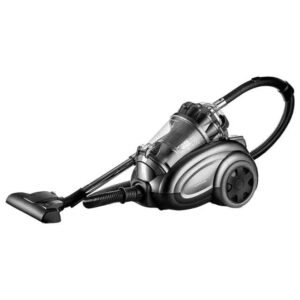
Kenwood Vacuum Cleaner 3.5 Liter Tank, VBP90.000GB
 Home Appliances, Kenwood Vacuum Cleaner, Vacuum Cleaner
Kenwood Vacuum Cleaner 3.5 Liter Tank, VBP90.000GB
0 out of 5(0)- Power: 2200 watts
- Dust tank capacity: 3.5 litres
- HEPA filter
- Multi tornado feature
- Antibacterial
- Telescopic metal handle
- Adjustable hood/floor brush
- Cable 5 meters
- Accessories: Corner Tool – Carpet/Floor Cleaning Brush – Upholstery and Furniture Brushes – Adjustable Metal Telescopic Tube – Flexible Hose
SKU: n/a
Showing the single result
Shop Kenwood Vacuum Cleaners in Pakistan
What you’ll find in this category
Kenwood vacuum cleaners cover everyday home cleaning as well as tougher shop and office needs. In Pakistan, the most common options you’ll see include compact canister vacuums for tiles and marble floors, bagless cyclonic models for easy dust disposal, and high-capacity wet & dry drum units for garages, workshops, and larger homes. You’ll also come across popular wattage bands like ~1600W for routine cleaning and 2000W+ for deeper suction on rugs and carpets. This category page brings these lines together in one place so you can compare form factor, filtration, and power at a glance.
Because local homes often mix smooth floors with a few area rugs, many shoppers prioritize a balance of suction power and maneuverability. If you live in an apartment with tight storage, a lighter canister or bagless model may be ideal; for larger houses or spaces with frequent dust from balconies and courtyards, a wet & dry drum vacuum can save time. You’ll also see models with HEPA or washable filters, which help with allergies when dust levels spike after construction or during dry, windy weather.
Who this page is for
If your home is mostly tiles or marble and you want quick, low-effort cleaning, the compact canister or bagless Kenwood units will feel the most practical. They’re easier to pull around furniture and can tackle sofa, curtains, and car interiors with the right attachments. Families with kids or pets tend to value models that combine strong suction with good filtration and a comfortable noise level, so the motor’s wattage and the filter type matter.
For small offices, shops, and service areas, Kenwood’s wet & dry drum options shine. They handle heavier debris, liquid spills, and dusty environments better, and many include a blower function for clearing doorways, balconies, or car mats. If you’re unsure which type suits your space, shortlist two options: one “light and compact” for daily dust and one “high-capacity” for weekend deep cleans—then pick the one you’ll actually use more often.
How to browse this category efficiently
Start by filtering or scanning for the type you need—canister, bagless, or wet & dry—before comparing wattage and filtration. Next, check capacity (dust bin or drum size) and the attachments included, such as a crevice tool, upholstery brush, or multi-floor head. Finally, consider storage and reach: hose and tube length, cord length, and where you’ll park the unit between cleans.
If you’re exploring other brands for comparison, you can view our full vacuum range here: All Vacuum Cleaners. This helps you price-check similar features across brands and confirm whether Kenwood offers the best value for your exact use case.
Latest Kenwood Vacuum Cleaner Prices in Pakistan (What Affects Cost)
Key factors that influence price
Prices typically vary by motor power (wattage), suction efficiency, and the type of filtration system used. As a quick guide, ~1600W Kenwood units often target routine home cleaning, while 2000W+ models are built for deeper suction on rugs and more stubborn debris. Filtration—especially HEPA—adds cost but improves air quality in closed rooms and helps those with allergies.
Bagless cyclonic models may carry a higher upfront price than bagged units but can reduce running costs since you aren’t buying filter bags. Wet & dry drum vacuums, given their larger motors, drums, and robustness, usually sit higher in the price range. Added conveniences like a retractable cord, metal extension tubes, or an onboard blower can nudge the price up but may be worth it if they save time and effort.
Why the same model may show different prices
In Pakistan, the final shelf price can reflect stock channel (official vs. parallel), seller warranty handling, and seasonal promotions. Officially sourced units with stamped invoices and brand warranty cards can be priced a bit higher because of after-sales support. Meanwhile, limited-time bundles or festival discounts may temporarily lower prices for certain models.
Before you purchase, check for a stamped invoice, warranty card details, and whether filters or bags are readily available for your model. If you prefer budgeting monthly, ask about installment options at checkout—availability varies by seller and payment partner, so it’s best to confirm in the moment instead of assuming a standard plan.
How to estimate today’s price (without over-researching)
Shortlist two or three Kenwood models that match your space and cleaning routine—e.g., a 1600W bagless with HEPA vs. a 2000W canister with a large dust bag. Compare their capacities, accessories, and filter type, then call or message the store for current availability and official warranty confirmation. This keeps your comparison tight and focused on real stock.
If two options are within a close price range, pick the one that minimizes ongoing costs and hassle. For some homes, that’s a washable filter; for others, it’s a larger capacity so you don’t have to empty midway through cleaning. When dust is heavy (e.g., road-facing balconies or renovation dust), a stronger motor paired with a solid filter can save multiple passes and reduce cleaning time.
Types of Kenwood Vacuum Cleaners (Which One Fits Your Space)
Canister vacuums (compact homes, easy maneuvering)
Canister models are a strong match for apartments and smaller houses with mostly tiles or marble. They’re easier to move around furniture, and the wheeled design reduces arm fatigue compared with heavier uprights or drums. Look for models that balance suction with low noise, especially in shared living spaces where cleaning happens early mornings or late evenings.
If you occasionally clean area rugs, check for a floor head that switches from hard floors to low-pile carpets. A 1600–1800W canister is usually enough for routine dust, crumbs, and pet hair. Pay attention to cord length and storage features like tool holders or retractable cords to keep clutter under control in smaller homes.
Bagless cyclonic vacuums (lower running costs, quick disposal)
Bagless Kenwood vacuums collect dust in a bin that you empty directly, which eliminates the cost of replacement bags. Cyclonic systems maintain airflow as the bin fills, helping preserve suction for longer stretches. If your household produces regular fine dust, this convenience can be a real time saver.
However, bin emptying can release a little dust back into the air; it’s best to do it over a balcony or outdoors, especially for allergy-sensitive family members. Choose a model with a washable filter and clearly marked max-fill line. The sweet spot for many homes is a mid-power (~1600–1800W) unit with an easy-open bin and a simple filter rinsing routine.
Wet & dry / drum vacuums (shops, garages, bigger homes)
Drum-style wet & dry vacuums are designed for tougher jobs: garage floors, liquid spills, and post-renovation debris. Their larger drums mean fewer trips to empty, and many include a blower mode that’s handy for clearing leaves, dust piles, or car mats before vacuuming. If you’re running a small workshop or store, this category usually offers the right durability and capacity.
These units are bulkier than canister vacuums, so plan for storage space and consider hose length and wheel quality for smooth movement. If you need both dry pickup and occasional spill cleanup, a Kenwood wet & dry model with a durable filter and strong blower can replace multiple tools. Just remember to switch filters or modes as recommended before tackling liquids.
Handheld/car vacuums (spot cleaning and upholstery)
For sofa crumbs, curtain dust, or quick car clean-ups, handheld Kenwood vacuums are incredibly convenient. They’re lighter than canisters and reach nooks where a larger unit feels awkward. If you host often or prefer daily light cleans, a handheld makes maintenance painless between weekly deep cleans.
Because handhelds have smaller dust containers, they’re not a replacement for your main vacuum—think of them as a “daily helper.” Check whether the nozzle set includes a crevice tool and an upholstery brush, and whether the filter is washable. If you’re also considering a 2000W+ canister for deep cleaning days, pairing it with a handheld covers both quick pickups and serious suction.
Key Specs to Compare (Simple, Pakistan-Focused Checklist)
Suction & Wattage Bands: What 1600W vs 2000W+ Means
Motor wattage is a quick proxy for suction potential, but it’s not the only factor; airflow design and seals also matter. In typical Pakistani apartments with tiles or marble, ~1600–1800W is often sufficient for daily dust, crumbs, and hair without being overly noisy. If you have thicker rugs, more debris from road-facing balconies, or need deeper lifts in fewer passes, 2000W+ feels noticeably stronger. For families who clean less frequently but want a “one-and-done” pass on weekends, higher wattage can speed things up. If you’re cleaning delicate curtains or upholstery, look for models that let you modulate suction so you don’t pull fabric or jam the tool.
Remember that a stronger motor can mean a heavier unit and higher energy use, so balance power with your home’s layout and routine. Homes that see frequent fine dust—common after nearby construction—benefit from higher suction paired with good filtration so particles don’t escape back into the room. When shortlisting, compare not just the raw wattage but also the nozzle design and included tools; a well-sealed floor head with the right bristles can bridge a surprising amount of “watts gap.” Keep in mind that Kenwood’s canister and drum styles deliver power differently: canisters emphasize maneuverability, while drums emphasize capacity and continuous suction over larger areas.
Filtration & HEPA: Breathing Easier in Dusty Seasons
Filtration quality directly affects how clean the air feels after you vacuum, especially in closed rooms or during Lahore’s smoggy days. HEPA-grade filters capture finer particles, which helps allergy-prone family members and anyone sensitive to dust stirred up during cleaning. Many Kenwood models pair a primary filter with a HEPA or microfilter stage; the combination reduces particle escape while maintaining airflow. If you prefer lower running costs, a washable filter system is handy—but you must clean and dry it thoroughly to prevent odor and performance drop. A pro tip for Karachi and Islamabad dust: rinse the washable element gently, let it dry a full 24 hours, and keep a spare filter if your model supports it.
Bagless systems rely heavily on cyclonic separation, but they still need clean filters to perform well. Bagged systems use the bag itself as a layer of filtration, and some “synthetic” bags maintain airflow longer as they fill. If allergies are a top concern, prioritize a HEPA final stage and check that the dust bin or bag seals firmly when reinstalled. Also look at how easy it is to access the filter: if the latch is fiddly, you’ll postpone maintenance and see suction drop faster. Filtration is where a modestly higher price can justify itself, because it impacts both cleanliness and comfort after you finish vacuuming.
Noise & Weight: Comfort Matters in Apartments
Noise and weight determine how comfortable your cleaning sessions feel—important if you clean early morning or late evening. A well-insulated canister with a mid-power motor often runs quieter than a large drum-style wet & dry. If you live in a small flat, pay attention to manufacturer-listed noise levels and user feedback on hum versus whine; the tone of the noise can be more annoying than the volume itself. Weight impacts how easily you can maneuver around furniture, lift the unit over thresholds, or carry it up stairs. Lightweight models also reduce hand and arm fatigue during long sessions, especially when paired with a smooth-rolling floor head.
Consider cord management: retractable cords prevent tangles and speed pack-up, which indirectly reduces perceived hassle and noise. Hose flexibility and swivel action also affect comfort—more swivel means fewer awkward turns and fewer bumps into furniture. If you plan shared use among family members, a lighter unit with a telescopic metal tube helps everyone find a comfortable height. Where possible, test for “drag feel” across marble or tile; some heavy drums pull fine on smooth surfaces but feel clumsy in tight corridors. For neighbors and sleeping kids, a mid-wattage, well-damped canister is often the sweet spot.
Capacity & Reach: Clean More in One Go
Capacity dictates how often you pause to empty. Bagless bins on compact canisters are convenient for small homes but may need emptying during a full-house sweep. Drum-style wet & dry vacuums excel here, letting you cover larger areas or workshops without breaking rhythm. If you host often or do weekly deep cleans, a slightly larger capacity saves time, especially when dealing with pet hair or post-renovation dust. Just ensure the bin releases and locks back in smoothly; a poor latch is the fastest way to leak dust back out.
Reach is the other half of the equation: cord length, hose flexibility, and a telescopic tube determine how many sockets you need per room. A longer cord is invaluable in larger lounges and open-plan spaces and helps reduce trip hazards from extension leads. Check the accessory set—crevice, upholstery, and multi-floor heads—to ensure you can reach corners, sofa seams, and under beds without improvising. If your home has high ceilings with cobweb-prone corners, a lightweight tube with a snug-fitting brush attachment is more helpful than raw wattage. Good reach plus adequate capacity is what makes a vacuum feel “effortless” across an entire Pakistani home.
Kenwood Features Explained (Plain Language)
Bagless vs. Filter Bag: Cost, Cleanliness, and Convenience
Bagless cyclonic models shine for everyday convenience: you see when the bin is full, pop it open, and empty directly. Over time, you save on replacement bags and can rinse the filter to maintain airflow. The trade-off is disposal hygiene; a quick tip is to empty over a balcony or outdoors to minimize any dust puff. Look for bins with one-click release and smooth inner walls so dust falls out rather than clinging. If you’re sensitive to dust or have allergies, wear a mask during disposal and tap the filter gently—never aggressively—so it doesn’t tear or deform.
Bagged models keep disposal cleaner because the bag seals dust away; you pull it out and toss it, which many users consider more hygienic. Synthetic multi-layer bags hold suction better as they fill and can be especially handy during heavy dust seasons. The running cost is the price of replacement bags, so confirm local availability and pick a model with commonly stocked sizes. For multi-story homes or anyone who dislikes seeing the dust bin, a bagged canister is a stress-free choice. If you’re undecided, think about your routine: frequent light cleans favor bagless convenience; less-frequent deep cleans often feel tidier with bags.
HEPA & Washable Filters: Maintenance That Actually Works
HEPA filters are designed to trap finer particles that regular mesh or foam filters miss, improving indoor air after vacuuming. Many homes in Pakistan benefit from HEPA during periods of construction dust, pollen spikes, or smog. Washable pre-filters support HEPA by catching larger dust first, extending the HEPA filter’s effective life. A good maintenance rhythm is to rinse the pre-filter every few weeks (or sooner if suction dips) and replace the HEPA as per the model’s guide. Never reinstall a damp filter; moisture can cause odors and block airflow.
Make the cleaning step easy on yourself: set a small reminder on your phone and keep a spare filter if your Kenwood model supports it. When rinsing, use gentle water flow; avoid detergents unless the manual explicitly says it’s safe. Let filters dry in an airy spot away from direct heat or sunlight to preserve their structure. If someone in your home has asthma or dust allergies, combine a HEPA-equipped vacuum with an air purifier in common rooms to reduce lingering particles after cleaning. You can explore options here for a complementary setup: Air Purifiers.
Blower Function: When and How to Use It Safely
On certain Kenwood wet & dry or drum models, a blower function helps move debris before vacuuming—useful for car mats, balconies, or workshop corners. The idea is to gather dust into a pile or push it out from tight spaces so the vacuum can pick it up more efficiently on the next pass. Always wear eye protection in tight spaces, and point the nozzle away from faces, pets, or open windows. Avoid using blower mode indoors on sensitive electronics or near open kitchens where dust can settle onto food prep surfaces. For parking areas or courtyards, a quick blower pass followed by vacuum pickup keeps the dust from just relocating.
Switching between blower and suction should follow the user guide: some models require repositioning hoses or changing ports. If your unit supports liquid pickup, ensure the filter is set for the correct mode before tackling spills. Periodically check the hose and connections; micro-leaks reduce both blower force and suction performance. When clearing car interiors, use short bursts rather than continuous blowing to avoid pushing dust deeper into vents. After using blower mode, a final vacuum pass with an upholstery or crevice tool finishes the job without leaving fine dust behind.
Best For… (Quick Picks by Need)
Best for Small Flats: Lightweight, Low-Noise, Easy Storage
In compact apartments, ease of use trumps raw power. A lightweight canister or bagless Kenwood with ~1600–1800W delivers enough suction for daily dust and crumbs while remaining comfortable to maneuver around furniture. Prioritize retractable cords, onboard tool storage, and a floor head that glides on marble and tiles without scraping. If you vacuum at night, look for a model known for a softer motor hum rather than a high-pitched whine. A compact footprint also matters; the less the vacuum clashes with your storage space, the more likely you’ll use it regularly.
For homes with a mix of floors and occasional rugs, choose a nozzle that flips between hard floor and low-pile carpet. If wall outlets are spaced far apart, a slightly longer cord is worth it to avoid extension leads. Pairing the main vacuum with a handheld unit can keep sofas and car interiors tidy between deeper cleans. In case you’re price-comparing across brands for small flats, skim our alternatives to gauge features at nearby budgets: Panasonic Vacuum Cleaners.
Best for Pets & Allergies: Strong Filtration, Smart Tools
Pet hair and dander require a combination of suction and filtration so you’re not just re-circulating allergens. A Kenwood with a HEPA final filter plus a washable pre-filter keeps performance consistent and makes maintenance predictable. Look for an upholstery tool with fabric-friendly bristles and a crevice tool that reaches sofa seams and skirting gaps. If your pet sheds heavily, a larger bin or bag reduces mid-clean empties, which is when dust tends to puff back into the air. Keep a spare filter set if you vacuum daily—washing and drying cycles won’t slow you down.
Set a weekly rhythm: quick passes every other day, then a focused session on sofas, curtains, and pet corners on weekends. During pollen spikes or dusty spells, consider running an air purifier in the lounge after vacuuming to catch lingering fine particles—again, options are here: Air Purifiers. For families balancing budget and health needs, remember that a well-filtered mid-wattage unit often feels better long-term than a louder, higher-wattage vacuum with weak filtration. Comfort after cleaning—no itchy throat, no dusty smell—is your best success metric.
Best for Shops & Garages: Wet & Dry, Bigger Capacity, Blower-Ready
For workshops, small retail spaces, or home garages, a wet & dry drum vacuum is the practical choice. The bigger drum means you can cover more area without stopping, and the tougher hose and wheels handle debris that would challenge a delicate canister. If you sweep sawdust or fine powder, the blower function helps you gather debris into manageable piles before vacuuming. Liquids are another advantage—just ensure you set the filter and mode correctly before pickup to avoid filter damage. With larger spaces, a longer cord and hose greatly reduce the stop-start feel of cleaning.
When comparing options, weigh durability and parts availability alongside wattage. A robust floor head and sturdy extension tubes matter more than an extra 100W on the spec sheet if you’re cleaning long corridors or rough surfaces. If your shop fronts a dusty road, set a routine of quick daily passes to prevent gritty buildup that scratches floors. For households that need heavy-duty weekend cleanup but don’t want an industrial footprint, consider keeping a compact canister for the home and a drum unit for the garage. If you’re curious about budget-friendly alternatives for rougher tasks, you can also browse: National Gold Vacuum Cleaners.
Accessories & Spare Parts in Pakistan
What’s commonly available (and why it matters)
For Kenwood vacuum cleaners, the most commonly requested consumables in Pakistan are filter bags (for bagged canisters), HEPA or microfilters, pre-filters (often washable), and wear-and-tear tools such as floor heads, crevice tools, upholstery brushes, and extension tubes. Hoses and clips can also need replacement over time, especially if the vacuum is dragged across thresholds or stored with weight on the hose. Keeping your machine “factory tight” with fresh filters and intact seals directly improves suction, indoor air quality, and motor life.
Many households underestimate the role of seals, gaskets, and tool fit. If a hose-to-body connection loosens or a bin/bag door doesn’t clamp firmly, micro-leaks reduce airflow long before you notice it. That’s why a new filter alone sometimes fails to “restore power”—you also need snug connections and a clean path from nozzle to bin or bag. When you buy a replacement part, inspect the latch tolerances and rubber rings; a slightly cheaper generic part that fits poorly costs you more in performance.
How to check compatibility (model codes & fit)
Before you order filter bags or HEPA elements, note the exact model code printed on the vacuum body or rating label (usually under or behind the unit). Cross-check the bag/ filter code recommended for that model. If you can, take a photo of your current bag, filter frame, or nozzle—visual confirmation prevents the most common mismatch. For hoses and tubes, confirm the diameter and connector style (push-fit, clip, or twist); even small differences can produce air leaks.
When in doubt, contact the store with your model code and a quick description of the part you need. Ask for OEM (original) or official-compatible parts first. If only generic parts are available, prioritize those with solid build, tight seals, and customer feedback on fit and longevity. For drum vacuums, verify whether the filter in use is the correct dry or wet element; using the wrong one reduces performance and can damage the motor.
Practical buying tips for Pakistan
• Pick two sets of filters if your model supports it. Rotate: one in use, one drying after a rinse. This avoids “I can’t vacuum today; the filter is wet.”
• Store spare bags/filters in a dry cupboard. Humidity can warp cardboard collars and foam elements.
• Inspect floor heads for hair-wrapped rollers and worn bristles. Replacing a tired head often restores cleaning “feel” more than adding watts.
• Keep a crevice tool & soft brush on hand. They prevent using the wrong tool (and scratching) on sofa fabric, blinds, or TV cabinets.
• For workshop/drum units, confirm blower port rings and gaskets are intact—leaks here hurt both blowing and suction.
Warranty & After-Sales Support (Pakistan)
How to verify official warranty at checkout
Always ask for a stamped invoice and the warranty card that matches your model code and serial number (if applicable). Confirm the coverage period (e.g., 1 year parts/labor, where offered), and what’s considered wear-and-tear (filters, bags, brushes) versus covered components. If the unit is listed as “official warranty,” the documentation should clearly state the brand/regional support details. Keep a clear phone snapshot of your invoice and card; printed ink can fade over time.
Because stock channels can vary, pricing sometimes reflects warranty handling and service access. If a price seems unusually low, ask whether the unit is parallel import and what after-sales support applies. There’s nothing wrong with a deal, but clarity saves frustration later—especially for parts availability or motor service.
What to expect (generic guidance—varies by model)
Warranty generally covers manufacturing defects and failures not caused by misuse, liquid ingress (on dry-only models), or consumables. Routine maintenance—filter rinsing, bag changes, unclogging—is considered user responsibility. If the motor overheats due to a blocked filter or overfilled bin, that’s usually not a warranty event. When seeking service, bring the vacuum, tools you use most, and your invoice; demonstrating the issue helps technicians diagnose faster (e.g., nozzle suction low but hose suction fine suggests a head blockage).
For assistance or clarity before purchase, you can reach Emirates Electronics at 0339 2009000 or visit Office No. 206, 2nd Floor, Seema Electronics Centre, Abdullah Haroon Road, Saddar, Karachi. We’ll help you confirm what applies to the specific model you’ve shortlisted.
How to Use & Maintain (5-Minute Routine)
Weekly routine for Pakistani dust levels
Step 1: Inspect and empty. If bagless, empty the bin when it reaches the max line; do it on a balcony to minimize dust puff. For bagged models, change the bag before it’s crammed full—airflow drops sharply past ~80% fill. Step 2: Clear hair and threads. Flip the floor head and cut away hair on rollers and bristles; a minute here prevents drag and protects the motor. Step 3: Quick filter check. Tap the pre-filter gently to dislodge fine dust (or rinse if washable); let it dry completely before reuse.
Step 4: Hose & tube sweep. Detach the hose, look through it toward light, and bend gently; clumps often sit near bends. A broom handle or flexible rod pushes out debris safely. Step 5: Seal & latch check. Re-seat the bin or bag compartment firmly till you hear/feel the click; micro-gaps rob suction. In coastal humidity, wipe rubber rings with a dry cloth so they seat properly.
Filter care (rinse rhythm & drying)
For washable pre-filters, a fortnightly rinse suits most homes; weekly if you’re vacuuming construction dust or have shedding pets. Use gentle water only unless your manual specifies a mild detergent. Squeeze lightly without twisting, then air-dry for 24 hours—no sun-baking or direct heat, which can warp the material. For HEPA elements, follow the model guidance: some are non-washable and should be replaced on schedule rather than rinsed. If your home sees frequent dust storms or road-facing exposure, keep a labeled spare set to avoid downtime.
Signs you need attention: a “dusty” smell after vacuuming, rising motor pitch (straining), or warm air output turning hotter than usual. These typically point to clogged filters or a partial blockage. Addressing them early preserves the motor and restores comfortable, quieter operation.
Quick troubleshooting (loss of suction, overheating, odors)
• Loss of suction: Check bin/bag fill, floor head roller, hose bends, then the pre-filter. Re-seat every connection. If hose suction is strong but floor head is weak, the blockage is in the head or tube.
• Overheating/shut-off: Many vacuums include thermal protection. Unplug, let cool, and clear blockages. Running with a clogged filter overheats the motor faster than you’d expect.
• Odors: Empty sooner, rinse pre-filters properly, and ensure they’re fully dry. For bagged models, replace the bag promptly after vacuuming damp debris (which you should generally avoid on dry-only units).
• Using blower to help: On models with a blower port, short bursts can free stubborn hose clogs. Ensure no loose debris can shoot toward people or fragile items.
• Liquids: Only use wet pickup on models designed for it, and switch to the correct filter/mode first. Afterwards, empty and dry the drum to prevent smell and corrosion.
FAQs
Kenwood vacuum cleaner price in Pakistan — why do prices vary?
Price differences come from wattage, capacity, filtration (e.g., HEPA), and build features like retractable cords or metal tubes. Availability, official versus parallel stock, and seasonal promotions also affect the tag. The most reliable method is to shortlist by needs and confirm current store pricing with warranty details.
When two models sit close in price, pick the one that cuts your ongoing costs or cleaning time—washable filters for frequent light cleaning, or larger capacity and stronger suction for heavy weekend cleaning.
Kenwood wet and dry vacuum cleaner vs. regular — which is better for homes?
If your home has liquid spills, courtyards, or dusty balconies, wet & dry is versatile and durable. If your cleaning is mostly rooms with tiles or marble and occasional rugs, a compact canister or bagless unit is easier to store and quieter.
For apartments with limited space, regular canisters feel more convenient day-to-day. Save wet & dry for garages, shops, or larger homes where capacity and blower mode are genuinely useful.
Is a Kenwood vacuum cleaner HEPA filter worth it for allergies?
Yes—HEPA helps trap finer particles that typical filters miss, making rooms feel cleaner after vacuuming. It’s especially helpful during construction dust or smog events.
Pair HEPA with routine pre-filter rinsing and proper bin/bag sealing. For households with asthma or high sensitivity, combine regular vacuuming with an air purifier in living spaces.
Do Kenwood vacuum cleaners come with a blower function?
Some wet & dry and drum models include a blower port. It’s useful for pushing dust from corners or prepping car mats before vacuuming.
Use short bursts and wear eye protection in tight spaces. Avoid indoor blowing near electronics or kitchens where dust can resettle on sensitive areas.
Are Kenwood vacuum cleaner spare parts and filter bags available in Pakistan?
Common parts—filter bags, HEPA elements, pre-filters, hoses, and floor heads—are typically available. Compatibility depends on your exact model code and connector style.
Share your model code and a photo of the part when ordering to ensure proper fit and airtight seals that preserve suction.
Kenwood vacuum cleaner installment plan in Pakistan — is it available?
Installment availability varies by store, payment partner, and time of year. It’s best to confirm at checkout what options apply to the exact model in stock.
If budgeting monthly, combine a realistic down payment with a model that keeps running costs low (e.g., washable filters) to make ownership predictable.
Best Kenwood vacuum cleaner for home in Pakistan — how do I choose?
Match the vacuum to your top three cleaning tasks. For most apartments, a ~1600–1800W bagless canister with HEPA balances comfort, noise, and power. For larger homes with rugs or heavy dust, consider 2000W+ with a larger bin or bag.
If you have pets or allergies, prioritize filtration and toolset over raw wattage. A good upholstery tool and a sealed bin/bag system improve results more than a small wattage bump.
Kenwood vacuum cleaner low noise / lightweight — what should I look for?
Look for a compact canister with sound-damped housing and a smooth-rolling floor head. Listed noise ratings help, but user comfort also depends on the “tone” (hum vs. whine).
A telescopic metal tube and light hose reduce arm fatigue. Retractable cords cut setup and pack-up time, making quick cleans more pleasant.
Kenwood vacuum cleaner 2000W — is it overkill?
Not if you have rugs, heavy debris, or prefer fewer passes. Higher wattage delivers stronger lift but may be louder and heavier.
If your home is mostly hard floors with light dust, a mid-wattage model is often ideal and more comfortable to use frequently.
Kenwood bagless vacuum cleaner vs. bagged — which is cheaper to maintain?
Bagless saves on replacement bags but needs regular filter rinsing and careful bin emptying. Bagged models keep disposal cleaner and maintain airflow longer with synthetic bags, but bags are a running cost.
Pick based on routine: frequent quick cleans favor bagless convenience; less-frequent deep cleans often feel neater with bags.
Kenwood vacuum cleaner warranty in Pakistan — how do I confirm?
Ask for a stamped invoice and a warranty card that matches your model code. Confirm coverage terms, and keep photos of both documents for easy reference.
If a price is unusually low, ask whether it’s parallel import and what after-sales support you’ll receive.
Kenwood drum vacuum cleaner Pakistan — where does it make sense?
Drum vacuums suit garages, workshops, and large areas with persistent dust or debris. Their capacity and durability reduce emptying breaks.
At home, they’re ideal for deep weekend cleans and balconies, but ensure you have storage space and don’t mind the larger footprint.
Kenwood canister vacuum cleaner — is it good for apartments?
Yes—canisters are maneuverable, lighter, and kinder on tiles and marble. They’re easy to store and quieter than many drum units.
Choose models with adequate cord length, onboard accessories, and a floor head that switches between hard floors and low-pile rugs.
Kenwood vacuum cleaner filter bags Pakistan — how do I find the right size?
Use the vacuum’s model code and check the recommended bag type. A photo of your current bag helps the seller confirm collar shape and fit.
Buy a small stock of bags and store them in a dry place to avoid humidity damage.
Kenwood vacuum cleaner spare parts Pakistan — how do I order correctly?
Share your model code plus a clear photo of the required part. Confirm whether you need OEM or compatible parts and ask about fit tolerances and seals.
For hoses and tubes, verify diameter and connector type; small differences can create air leaks that reduce suction.
Kenwood vacuum cleaner with blower — any safety tips?
Wear eye protection, use short bursts, and keep the nozzle pointed away from people and pets. Don’t use blower mode near kitchens or open food.
After blowing, finish with a vacuum pass to collect the loosened dust instead of redistributing it.
Kenwood vacuum cleaner Daraz price — should I trust marketplace listings?
Marketplace prices can be attractive, but verify the seller’s credibility, invoice, and warranty status. Official warranty and clear after-sales support are worth a modest price difference.
Compare listings with local store quotes and confirm model codes to avoid mix-ups between similar variants.