
Anex Food Processor
Showing all 2 results
-
Anex Food Processor, Food Processor, Kitchen Appliances
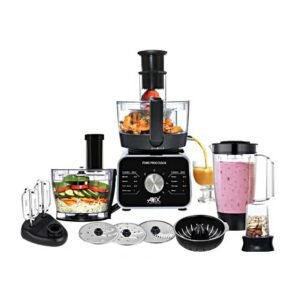
Anex Food Processor AG-3156
0 out of 5(0)Description:
220-240V
50/60HZ
800-1100 watts
2 Years WarrantyFeatures:
A versatile food processor can quickly & easily chop, Blend, Slice, Shred, Grind & puree almost any food.
Elegant plastic jug.
2-speed setting with a pulse.
Safety lock,
Rubber feet.SKU: n/a -
Anex Food Processor, Food Processor, Kitchen Appliances
Anex Food Processor AG-3157
0 out of 5(0)Description:
220-240V
50/60HZ
800-1100 watts
2 Years WarrantyFeatures:
A versatile food processor can quickly extract juice & easily chop,
blend, slice, shred, grind & puree almost any food.
Elegant plastic jug.
2 speed setting with a pulse.
Safety lock, Rubber feet.SKU: n/a

Showing all 2 results
Anex Food Processor — Original, Warranty-Backed Models in Pakistan
Finding the right Anex Food Processor is easier when the page puts your needs first. Whether you cook daily for a family in Karachi, batch-prep for a tiffin service in Lahore, or want faster salad and chutney prep in Islamabad, this category brings together authentic Anex models with clear guidance on wattage, bowl size, and attachments. You’ll also see how to think about prices in Pakistan, delivery options, and warranty verification so you avoid guesswork.
Who you’re buying from: Emirates Electronics — Office No. 206, 2nd Floor, Seema Electronics Centre, Abdullah Haroon Road, Saddar, Karachi. Phone: 0339 2009000. We aim to make selection simple, explain what affects cost, and outline how to verify original warranty in Pakistan without over-promising. If a model listing shows Cash on Delivery, it’s available for that city; if not, choose a pre-payment method. Delivery timelines vary by courier, route, and stock.
Shop by What Matters (Quick Filters)
Power & Performance
Power (in watts) is the most visible number on any Anex food processor, but what matters is matching wattage to the jobs you’ll actually do. For most Pakistani households, 700–800W handles everyday chopping, slicing, and raita with ease, while 1000W models feel more confident with tougher tasks like kneading dough more often or processing harder vegetables in bigger batches. If you mostly prep salads, salsa, green chutney, and boti-night onions, raw power matters less than good blades and short pulse bursts. For dough, nut butters, or semi-commercial prep, look for higher wattage and sturdier bases that don’t “walk” on the counter.
Power also interacts with load-shedding realities. A high-wattage motor can finish tasks faster but draws more current in the moment; a mid-range motor with sharp blades and short pulse cycles may be more practical if you cook during generator hours. Use pulse mode to prevent heat build-up and keep textures crisp, especially for onions and herbs. For chutney, run short pulses, scrape the bowl, and pulse again. If you’re worried about power fluctuation, plug the unit into a surge protector, avoid extension cords with loose sockets, and don’t run the machine continuously for long stretches—give it 1–2 minutes of rest between batches.
- Mainly chopping/slicing, small batches: 700–800W is usually fine.
- Regular dough or large batches: Consider 900–1000W with a stable base.
- Semi-commercial or frequent heavy duty: Prioritize torque, metal drive parts, and safety locks.
Bowl Size & Build
Bowl capacity controls how much you can process before stopping to empty or scrape. For a family of 3–4, a bowl around 1.5–1.8L is comfortable for everyday prep; for 5–6+, look at larger bowls so you aren’t constantly running repeat cycles. A taller bowl helps with leafy greens and cabbage, while wider bowls are friendlier for dough and kebab mixes. Pay attention to feed chute size too: a wider chute means fewer pre-cuts on potatoes, cucumbers, and carrots—handy when you’re prepping fries and salad for a dawat.
Build quality shows up in the bowl material (commonly SAN/ABS), lid fit, locking tabs, and blade steel. Tight-fitting lids and solid interlocks prevent splatter when you’re working with oily masalas or thin batters. Stainless-steel blades stay sharp longer if you avoid ice and bones and don’t store them loose in a drawer. After turmeric-heavy recipes (like achari or sabzi with haldi), wash quickly to reduce staining; a mild baking-soda soak can help. If your counter is smooth marble or granite, rubber feet and a heavier base reduce vibration, especially on higher-watt models.
- 1.2–1.5L: compact kitchens, single/couple use, side-dish prep.
- 1.6–1.8L: sweet spot for most families in PK.
- 2.0L+: batch cooking, frequent guests, or small food businesses.
Attachments & Functions
“8-in-1” or “deluxe” bundles usually refer to the variety of tasks the processor can handle with included accessories. Typical kits include slicing and shredding discs, a chopping blade, a citrus filter/juicer, and often grinder cups for dry spices. Some sets add dough tools and a blender jar, giving you an Anex food processor with blender and chopper in one box. If your main goal is thin, consistent potato slices for fries or finely shredded cabbage for coleslaw and kachumber, prioritize disc quality and a secure pusher. If you’re a chai-time baker, look for a decent whisk/egg beater accessory and a motor that stays cool on longer runs.
Attachments are helpful only if you’ll actually use them. If your routine relies on lassi, smoothies, or dry-masala grinding, a separate blender-grinder might still make sense even if the processor includes a jar—dedicated units often clean faster and keep smells separate. On the other hand, if counter space is tight, a combo kit reduces clutter and cost versus buying separate machines. For versatility, check whether the bundle includes multiple thickness discs and a dough tool; for durability, look for sturdy couplers and clear labeling so parts aren’t mixed up after washing.
- Slicing options: at least two thicknesses for fries/salad.
- Shredding disc: for carrots, cabbage, cheese.
- Chopper blade: general purpose; don’t run too long with onions.
- Dough/knead tool: essential for roti/paratha dough.
- Citrus/fruit filter: handy for pulp-controlled juices.
- Grinder cups: for dry masala; keep them bone-dry.
Best Anex Food Processors for Pakistan (Editor’s Picks)
These “best for” picks are organized by real-life use cases in Pakistan rather than fixed model numbers. Choose the tier that fits your kitchen, batch size, and attachment needs—then select an in-stock Anex unit with similar wattage, bowl size, and accessories.
Everyday Value — Compact Kitchens, Simple Daily Prep
If your routine is mostly onions, tomatoes, cucumbers, and a handful of herbs for raita or chutney, an everyday value Anex food processor is usually the sweet spot. Think mid-range power (around 700–800W) paired with sharp blades and a practical bowl that’s large enough for a family salad but not so bulky that it crowds your countertop. You’ll still get the most-used discs for slicing and shredding, a multipurpose chopping blade, and often a citrus filter—enough to speed through dinner without overpaying for features you’ll rarely touch. In load-shedding windows or generator hours, short pulse cycles keep textures crisp and help the motor run cool.
What this tier does best is day-to-day consistency. Thin potato slices for fries, uniform carrot shreds for coleslaw, quick onion prep for curry bases—these are all “set and forget” once you learn which disc does what. If you also make lassi or smoothies, some bundles add a blender jar; just note that a compact jar is better for single or double servings, while large smoothie batches may strain a smaller motor. For dry masala, check if your box includes a grinder cup with a tight lid; keep it bone-dry for cardamom, cloves, and cumin. When space is tight (typical in apartments in Karachi or Islamabad), a compact footprint and tidy accessory caddy make daily use painless.
- Who it’s for: Karachi flats with narrow counters; Islamabad couples meal-prepping salads, raita, and chutneys; Lahore students or small families who want faster slicing/shredding without a premium price.
- Look for: 700–800W; solid interlocks; rubber feet; a shredding disc + two slicing thicknesses; citrus filter; optional small grinder cup.
- Consider skipping: oversized bowls if you cook for 1–2; heavy high-watt units if you never knead dough or process hard veg.
Family Workhorse — Bigger Batches, Wider Menu
For families of 4–6 who cook a wider menu—salads, sabzi prep, kabab mixes, raita, and occasional roti/paratha dough—a workhorse configuration is the practical middle. You’ll want a bowl in the ~1.6–1.8L zone so you aren’t constantly emptying between batches. Power around 800–900W gives extra headroom for shredding cabbage, slicing potatoes in volume, and pulsing heavier mixes without overheating. The unit should feel planted on granite or marble counters common in Pakistani kitchens; rubber feet and a slightly heavier base reduce “walking” during long tasks.
This tier shines when you need repeatable results across multiple dishes. For example, prepping a weekend dawat in Lahore often means slicing potatoes for fries, shredding carrots for kachumber, and chopping onions for curry—one after another. A strong workhorse keeps pace with less rest time between cycles. If you knead dough two or three times a week, look for a dough tool and a lid that locks positively with minimal flex. Families who like smoothies + spice grinding should either pick a bundle with a blender jar + grinder cup or plan to pair the processor with a separate blender-grinder to keep smells separate and cleanup quick.
- Who it’s for: Joint families in Lahore doing weekly batch prep; Karachi home cooks who shred/slice in volume and knead dough occasionally; Islamabad households juggling school lunches and evening meals.
- Look for: Bowl ~1.6–1.8L; wide feed chute; multiple discs (thin/thick slice, fine/coarse shred); dough/knead tool; motor cooling slits and clear duty cycles.
- Consider skipping: very compact sets with only one disc if you prep for 5–6 people; ultra-high wattage if your countertop vibrates or storage is limited.
Power User / Semi-Commercial — Frequent Dough, Hard Veg, Bigger Batches
If your kitchen runs like a small operation—frequent dough, tougher vegetables (beetroot, sweet potatoes), bulk cabbage/carrot shredding, or nut butters—look to the 900–1000W class with sturdier drive parts. While wattage isn’t the whole story, higher-power Anex units typically pair stronger motors, better thermal handling, and heavier bases that stay steady during demanding tasks. A bowl closer to 2.0L helps you work in fewer rounds. Expect more robust safety interlocks, a wider feed chute, and discs that feel rigid rather than flexy when you press firm produce through.
This tier is also a fit for home-based food ventures—tiffin services, weekly salad jars, or catering side gigs around Karachi and Lahore—where speed and uniformity translate directly to time saved. For dense batters and doughs, the difference you feel is torque: the blade keeps moving without stalling, letting you pulse to texture and finish quickly. For nut butters (peanut, almond), plan to work in short intervals; scrape the bowl, rest the motor, and pulse again to manage heat. If you also make large smoothie batches, a bundle with a full-size blender jar reduces the need for a second appliance, though some semi-commercial users still prefer a dedicated high-capacity blender for turnover and cleaning speed.
- Who it’s for: Karachi home bakers or caterers doing frequent doughs and bulk veg prep; Lahore tiffin services needing fast, uniform slicing/shredding daily; Islamabad meal-preppers who process dense veg and nuts each week.
- Look for: 900–1000W with a stable base; clear safety locks; wide chute/pusher; rigid discs; sturdy dough tool; optional full-size blender jar; manuals that list duty cycles and rest times.
- Consider skipping: lightweight bodies that vibrate on granite at high power; kits with many niche accessories you’ll never use (clutter).
Prices in Pakistan — What Affects Cost?
Why prices vary
Motor power (Wattage): Going from 700–800W to 900–1000W generally costs more because you’re getting stronger torque and better thermal handling. If you frequently knead dough or shred dense veg, the extra headroom makes sense; if you mostly slice salad, you won’t notice the difference daily.
Attachments & bundle depth: “8 in 1” kits (or “deluxe” sets) cost more because they pack extra discs, a dough tool, citrus filter, and sometimes blender/grinder cups. Buy what you’ll use. If you never grind dry masala, a simpler kit can save money and storage space.
Bowl size & materials: Larger, sturdier bowls with strong locks add to cost. A better interlock reduces spills with liquidy masalas or thin batters and usually lasts longer.
Build quality: Sturdy drive couplers, rigid discs (less flex), solid safety interlocks, and anti-vibration feet improve day-to-day experience—and price.
Warranty & after-sales: Units sold with clear Pakistan warranty support and responsive stores may be priced slightly higher but reduce hassle if anything goes wrong. Always check the warranty card and retailer invoice.
Stock cycles & currency: Local stock, importer batches, and courier surcharges affect price month to month. That’s why static “price lists” often go stale. To compare apples to apples, match wattage + bowl size + attachments, then check the live price on the product card.
City-wise delivery & COD (Karachi, Lahore, Islamabad)
Karachi: Same-city delivery is usually quickest. Cash on Delivery (COD) is often available on eligible products; check the product card for COD icons or notes. Expect faster re-delivery if an address attempt fails because routes are denser.
Lahore: Most orders route via national couriers; COD availability depends on the item and route. Plan for an extra day around weekends or high-volume seasons.
Islamabad/Rawalpindi: Delivery times are similar to Lahore. Confirm COD availability per product. For apartments with strict security, add gate/guard instructions so the rider can reach you faster.
All cities — helpful tips: Keep your phone on near the expected delivery window; open the parcel carefully; save the invoice + warranty card; and report any transit damage promptly.
Original Warranty & Authenticity Checklist (Pakistan)
How to verify Anex warranty in Pakistan
- Check the box and the warranty card: The card should reference the brand/importer with fields for date of purchase and store stamp/signature.
- Match details to your invoice: Ensure model on product sticker/manual matches your invoice line item.
- Look for serials/stickers: Photograph the sticker on the base/body for your records.
- Ask about claim steps upfront: Know where to call/visit, what documents are needed, and approximate assessment time.
- Keep packaging briefly: For the first week, keep inserts handy to simplify resolution if something is missing.
- Use as directed: Respect duty cycles; avoid processing items the unit isn’t meant for (ice, bones) unless the manual allows it.
How we help (no over-promises): We include your invoice with accurate model details and keep our contact number (0339 2009000) visible so you can reach us. If you need guidance on a claim, we’ll explain the steps and documentation. Service decisions are made by the authorized service center.
Spare Parts & Blades
Common replaceables: slicing/shredding discs, chopper blade, lids/pushers, bowls/jars (varies by model), drive coupler, rubber feet.
How to request parts: Share your model identifier + purchase date, a clear photo of the required part (top/underside), and the unit’s sticker if available. We’ll confirm like-for-like or compatible alternatives depending on stock.
Blade care: Avoid ice/bones; keep grinder cups bone-dry; hand-wash and dry blades immediately; use a mild baking-soda soak after turmeric-heavy recipes.
Jar/bowl care: Don’t pour boiling liquids directly; check gasket placement; keep rubber feet clean for stability on granite/marble counters.
Compare: Food Processor vs. “Food Factory” vs. Blender/Chopper
What’s a “food factory” in PK retail?
In Pakistan, many retailers use “food factory” to describe a multi-function kit that typically combines a food processor base with additional attachments—often a blender jar, grinder cup(s), citrus parts, and multiple slicing/shredding discs. If you want one box that does most tasks and you’re short on storage, a food factory is convenient. If you prefer a leaner kit and already own a blender-grinder, a standard food processor may be cheaper and quicker to clean. For shoppers who want to compare options side by side, browse the Food Factory category to understand bundle depth versus your needs.
When a separate blender/grinder makes sense
If your daily routine includes lassi, smoothies, and dry-masala grinding, a dedicated blender-grinder range can be faster to clean and avoids transferring smells between jars. Combo kits are great for saving space, but frequent liquid + dry spice use may justify a separate unit for longevity and convenience. Conversely, if you’re tight on space or budget, an Anex food processor bundle with a blender jar and grinder cup offers strong versatility in one footprint.
Care, Safety & Maintenance (Pakistan kitchens)
Do’s & don’ts
- Use pulse mode for onions/herbs to prevent mushiness.
- Work in small batches during load-shedding to manage current draw and heat.
- Let the motor rest for 1–2 minutes between long runs.
- Keep rubber feet clean/dry so the base doesn’t “walk” on polished counters.
- Never bypass safety interlocks; lock the lid and bowl correctly before powering on.
- Don’t process boiling hot liquids; let them cool slightly.
- Avoid ice/bones unless the manual explicitly allows it.
- Use a surge protector if voltage fluctuation is common in your area.
Cleaning fast (5-minute routine)
- Unplug the unit; remove blades/discs carefully.
- Rinse bowl/lid/jar under warm water immediately after turmeric/oily recipes.
- Wash with mild dish soap; for stains, add a baking-soda slurry and rinse.
- Dry blades with a towel; don’t leave them soaking.
- Wipe the base with a slightly damp cloth only; never immerse.
FAQs
Which Anex food processor is best for dough?
What does “8-in-1” actually include?
Is 700–800W enough for daily chopping and salad?
Yes—if your routine is mostly onions, cucumbers, tomatoes, herbs, and soft veg, this range is efficient and cost-effective. For harder veg or frequent dough, step up in wattage.