
Hot Plate
Showing all 6 results
-
Anex Hot Plate, Hot Plate, Kitchen Appliances
Anex Deluxe Hot Plate AG-2061
0 out of 5(0)Description:
220-240 Volt
50\60 Hz
1500 Watts
2 Years WarrantyFeatures:
Metal with black color painting housing.
High quality cast iron plate with diameter: 188mm.
Thermostat and on/off double controller.
Power on light.
Thermo fuse for safety use.
Skid proof rubber feet.SKU: n/a -
Anex Hot Plate, Hot Plate, Kitchen Appliances
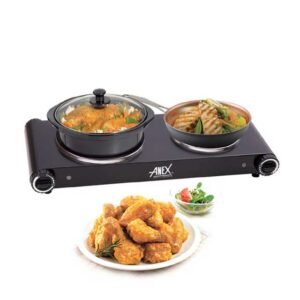
Anex Deluxe Hot Plate AG-2062
0 out of 5(0)Description:
220-240V
50/60HZ
1500W & 1000W
2 Years WarrantyFeatures:
Metal with black color painting housing, high quality cast iron plate dia 155mm+188mm.
Thermostat and on/off double controller, power on light.
Thermo fuse for safety use.
Proof rubber feet.SKU: n/a -
Anex Hot Plate, Hot Plate, Kitchen Appliances
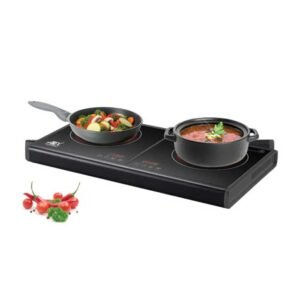
Anex Deluxe Hot Plate AG-2162
0 out of 5(0)Description:
220/240V
50/60 Hz
2000-1500W2 years warranty
Features:
Double infrared cookerHigh quality glass plate,diameter:180mm+180mm
High-temperature resistance plastics and
black gold polished panel.
PCB control temperature, easy to handle with
temperature fuse, Overheat protection.
Non-slip mat.
Functions: Stew, fry, cooking, suitable for heating.
Used for all pots such as ceramic pot,
glass pot, Metal pot…
SKU: n/a -
Anex Hot Plate, Hot Plate, Kitchen Appliances
Anex Deluxe Hot Plate AG-3061
0 out of 5(0)Description:
2 Years Warranty
220-240V
50/60Hz
1500W
Features:
Stainless steel material surface
High quality cast iron plate diameter:188mm
Temperature controller for adjusting the
temperature when cooking.
Power on light.
Fuse for safety overheat protection.
Skid proof rubber feet.
SKU: n/a -
Anex Hot Plate, Hot Plate, Kitchen Appliances
Anex Deluxe Hot Plate AG-3062
0 out of 5(0)Description:
2 Years Warranty
220-240V
50/60Hz
1500W+1000W
Features:
Stainless steel material surface.
High quality cast iron plate diameter:188mm
Temperature controller for adjusting the temperature when cooking.
Power on light.
Fuse for safety overheat protection.
Skid proof rubber feet.
SKU: n/a -
Anex Hot Plate, Hot Plate, Kitchen Appliances
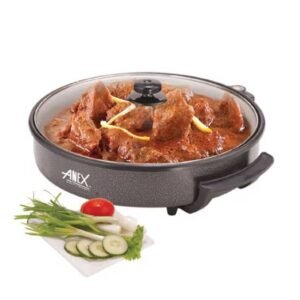
Anex Deluxe Multipurpose Pan AG-3063
0 out of 5(0)Description:
220V/240V
50/60Hz
1200W
2 Years WarrantyFeatures:
Multipurpose pan for grilling, cooking, frying and
keeping food warm. 30cm Multipurpose pan.
Adjustable thermostat. Anti-stick coating.
Heat resistance glass lid.SKU: n/a



Showing all 6 results
Shop Hot Plates in Pakistan — For Flats, Hostels, & Small Kitchens
Why hot plates suit Pakistani homes
Hot plates have quietly become the “second stove” for many Pakistani households because they solve three everyday problems at once: unreliable gas supply, tight kitchen space, and the need for a portable backup that works anywhere there’s a socket. In Karachi apartments where counter space is premium and ventilation is limited, a compact hot plate can handle breakfasts, batch chai, and quick one-pot meals without committing to a full range. Students in hostels like them for their small footprint and simple controls; families like them as insurance during gas load-shedding or when the main stove is busy. Induction models heat fast and cut idle energy, while coil and infrared plates are compatible with a wider range of pots and pans. Because they’re light and movable, you can cook near a window for better airflow, then tuck the unit away after it cools.
Think of a hot plate as “modular heat.” You can add one to create a temporary two-burner setup for dinner, shift it to the balcony to keep frying smells out, or carry it to the office pantry for tea service. If you’re renting and can’t modify cabinetry or gas lines, it’s an easy way to upgrade cooking capacity without renovations. The latest units include grippy feet, overheat protection, and auto shut-off—small features that make a real difference in busy homes.
Quick picks by use case
If you need a simple, reliable cooker for tea, noodles, or eggs, a single-burner coil plate is inexpensive, durable, and works with almost any cookware. If you want faster heat and easier cleaning for daily meals in a flat, an infrared/ceramic plate balances speed with broad pot compatibility. For maximum speed and efficiency—great when you’re timing office breaks or quick dinners—go induction (just confirm your pots are induction-ready).
Hostels & shared rooms: Single burner, compact body, cool-touch edges, and anti-slip feet.
Small flats & family backup: Double burner or one induction + one coil to split tasks.
Office pantry / tea corner: Single burner with stable base for kettles and milk pans.
Camping / temporary setups: Lightweight single burner; carry in a padded bag and let it cool before packing.
Types of Hot Plates
Electric coil hot plates
Coil hot plates use exposed metal heating elements that glow as they reach temperature. They’re usually the most budget-friendly option and a favorite in hostels because they’re rugged and simple: a dial, a light, and heat. They work with steel, aluminum, cast iron, and most everyday pots you already own. Because the coil touches the cookware directly, heat transfer is dependable even if your pan isn’t perfectly flat.
Trade-offs are real: coils take a bit longer to ramp up and cool down, and spilled foods can burn onto the element if you’re not careful. Temperature control is step-based rather than pinpoint, so simmering milk without scorching needs attention. Still, for boiling water, frying eggs, or making instant noodles, coil plates deliver predictable results at a friendly price point, especially where gear gets heavy use.
Infrared / ceramic hot plates
Infrared (often called “ceramic” or “glass-top”) plates hide the element under a smooth black surface. Heat spreads more evenly than coils, preheat is quicker, and cleanup is easier—wait for the surface to cool, then wipe. The flat top pairs well with flat-bottom pans, tawas, and small pots, making it a neat match for apartment cooking where space and tidy surfaces matter.
They do retain residual heat, so you still have to keep the area clear after cooking. Some very thin or warped pans can develop hot spots, and heavy impacts may crack the surface, so use stable cookware and avoid dropping lids. On the plus side, there’s no exposed coil, so splatters don’t get baked onto an element; that alone keeps the unit looking new longer in a busy Karachi kitchen.
Induction hot plates
Induction plates use magnetic fields to heat the pot directly, not the air or the cooktop. That makes them the fastest and often the most energy-efficient, ideal when you’re up against gas outages or prepping quick weekday meals. Because the top doesn’t get as hot (it warms mostly from the pan’s heat), accidental burns are less likely and the surface wipes clean easily. Precision temperature steps help with delicate tasks like simmering milk or tempering chocolate.
There are a few rules: your cookware must be induction-compatible (a simple magnet test on the base usually tells you), the bottoms should be flat and reasonably thick, and you’ll hear a faint hum at high power which is normal. If you’ve got a mixed set of pans, consider one induction-ready pot for fast boiling and one all-purpose pan; you can keep a coil or infrared plate for everything else. This hybrid approach suits many Pakistani homes that already own non-magnetic cookware.
Single vs Double Burner — Which fits your routine?
Single burner hot plate
A single burner is the easiest to store and the safest bet for shared spaces. It shines in hostels and studios where you make one dish at a time: omelets, parathas, instant noodles, chai, or reheats. Power ratings often sit between 1,000–1,800W depending on type; more watts typically mean faster boiling, but remember overall wiring and circuit capacity in older buildings. For students and solo renters in Karachi or Lahore, a single burner plus a microwave or toaster oven covers most weekday needs.
The main limitation is throughput—cooking daal and a side simultaneously isn’t practical. You’ll queue tasks: boil, then sauté, then keep warm. If you like to batch-brew tea and cook breakfast together, consider stepping up to a double burner or pairing one hot plate with another small appliance (like a kettle or toaster oven) to split the load efficiently.
Double burner hot plate
Double burners let you multitask: daal simmering on one side while you fry eggs or warm rotis on the other. Apartment families and busy home cooks appreciate the flexibility, especially when gas is low or a single hob on the main stove is occupied. Look for independent controls and, if possible, uneven wattage distribution (one high-power plate for boiling, one lower-power for simmering) so you can match tasks to burners.
Be mindful of power draw and wiring: using both burners at maximum on the same circuit can trip an MCB if the home wiring is light. Practically, you rarely need both at full blast—bring water to a boil on high, then drop to medium and use the second burner for frying or reheating. Stable feet, a solid base, and a heat-resistant body matter even more on a two-plate unit because the surface area gets busy.
Portable vs “stove-type” countertop
“Portable” usually means a compact, lightweight body with rubber feet—easy to move, easy to store in a cabinet. This suits renters, students, and anyone who cooks in occasional bursts. “Stove-type” refers to wider, heavier builds designed to live on the counter with a more planted feel; they’re better if you cook daily and don’t want the unit sliding when stirring heavier pots.
For tiny kitchens, portability is a win: cook near a window, then stow the unit to free prep space. If your routine is more like a fixed cooktop, a stove-type with a broader footprint and metal housing will feel closer to a built-in. Either way, check that the feet don’t scratch countertops and that there’s a slight air gap beneath for ventilation, especially during long cooking sessions in warm, humid weather.
Buying Guide for Pakistan
Power & wattage
When you see 1,000–2,000W on a hot plate, that number is about how quickly it can put heat into your pot. A higher wattage usually means faster boiling and better searing, but it also means a steeper draw on your home circuit. In a typical Pakistani apartment on 230V, a 1,500W plate is a solid everyday sweet spot: fast enough for chai and one-pot meals without pushing wiring too hard. If you often boil large pots (pasta, batch tea/milk) or cook on a timetable, 1,800–2,000W will feel noticeably quicker—just remember you rarely need max power for the full cook; bring to a boil, then drop to medium.
Electricity usage depends on time at power, not just the number on the box. Induction is efficient because it heats the pan directly, so it often finishes jobs sooner at the same or lower wattage. Coil and infrared work well too, especially with flat-bottom cookware that transfers heat quickly. If you’re budget-conscious, treat “W” like top speed: helpful for quick starts, but cruising at mid settings will handle most daily cooking without spiking your bill. If you want to explore models across wattages, use the product grid in the Hot Plate category (see link below) to compare.
Safety first
Look for auto shut-off and overheat protection—they’re basic but essential for shared spaces and busy homes. A thermostat light that cycles on/off tells you when the element is actively heating, which helps prevent accidental scorching. Anti-slip feet and a heat-resistant body keep the unit stable on glossy countertops (common in Karachi apartments), reducing the chance of sliding when you stir. For glass/ceramic tops, rounded edges and a slightly raised frame help contain spillovers and protect the surface.
Equally important is clear airflow around the unit. Leave a few inches on all sides and keep cords away from hot zones. Use cookware that properly covers—but doesn’t wildly exceed—the burner area; massive overhangs trap heat around controls. Finally, treat the indicator light as a reminder, not a guarantee—infrared and coil surfaces stay hot after switch-off. Get in the habit of unplugging after use, let the plate cool fully, then move or store.
Voltage fluctuation, extension cords & MCB tips
Pakistan’s voltage can swing—especially during peak hours and summer load. A quality hot plate tolerates normal variation, but big dips lengthen cooking time and surges can strain electronics (particularly induction). Where possible, use a dedicated wall socket with solid contact and avoid flimsy multi-plugs. If you must use an extension, choose a heavy-gauge, grounded cord rated above your plate’s wattage and keep total length short to minimize heat buildup and voltage drop.
If your MCB trips, it’s usually either a circuit overload (too many appliances at once) or a weak/loose connection generating heat. Practical fixes: move the plate to a separate circuit if available; don’t run an iron or heater on the same line; and avoid using both burners at full on a double plate for long stretches. Periodically check the plug for warmth—warm is normal under load, hot is not. If sockets feel loose or discolored, have an electrician inspect and replace.
Using with UPS/inverter/generator
Hot plates demand steady power. Coil and infrared models are generally more tolerant on UPS/inverter systems, but their wattage can drain batteries quickly. Induction units are pickier: many expect clean, stable sine-wave power and may fault or underperform on modified sine-wave inverters. If your home relies on backup frequently, test at lower power settings first, listen for abnormal noise, and watch for error codes. Keep cords short and connections snug to reduce inefficiency.
On generators, confirm the generator’s rated output exceeds the hot plate’s peak draw, especially for double burners. Induction spikes when starting; budget a buffer (e.g., a 2,000W induction plate on a generator with ample headroom). And remember heat strategy: bring liquids to a boil at higher power, then step down to maintain—this conserves fuel, reduces strain on electronics, and smooths cooking on variable-quality backup sources.
Temperature control & materials
Knob controls are durable and easy to understand—great for hostels and rental flats where multiple people will use the unit. Digital panels add precision (useful for induction simmering, chocolate, or milk) and often include timers and child locks. If you batch-brew tea or like consistent rotis, the ability to repeat exact settings is a quiet time saver. For shared kitchens, simplicity usually wins; for home cooks who love repeatability, digital is worth it.
As for tops and bodies: coil plates expose the element; they’re hardy but need mindful cleanup. Infrared/ceramic gives you a smooth wipe-clean surface—just let it cool fully before wiping. Induction glass also wipes easily and feels cooler to the touch (the pan does most of the heating), but still treat it as hot. Stainless or powder-coated housings handle bumps better than thin plastics, and raised edges help keep spills from running under the unit. Whatever you pick, pair it with flat-bottom cookware to improve contact and shorten cook times.
Use-case Guides
Hot plate for hostel use
In hostels and shared rooms, a single burner hot plate keeps things simple and safe. Look for compact bodies with anti-slip feet, cool-touch edges, and a clear thermostat light so everyone can tell when it’s heating. A coil or infrared plate is usually the easiest choice because it works with most utensils, and a knob dial avoids confusion in shared kitchens. Keep a metal tray or heat-resistant mat underneath and store the unit only after it cools.
Etiquette matters in shared spaces: wipe the surface after each use, avoid oily spillovers that smoke up the room, and don’t leave pans unattended. If your hostel has occasional low voltage, start on medium settings and step up; you’ll get steadier results and fewer trips of the extension board.
Best hot plate for flats/apartments
Apartment cooking is about speed, cleanliness, and low noise. An infrared (ceramic) or induction plate shines here: both have wipe-clean tops and heat efficiently. If you cook one-pot meals (pasta, fried rice, daal) a few times a week, a 1,500–1,800W unit is a good balance; induction adds precision for milk and tea. For families that multitask, a double burner lets you simmer and fry at once without crowding the gas stove.
Pair the hot plate with smart helpers that keep counters free and meals quick—e.g., a Microwave Oven for reheats and defrosting alongside the plate.
Small hot plate for tea & coffee corners
For office pantries and living-room beverage stations, a single burner with a stable base is perfect. Keep a dedicated kettle or milk pan for chai, and use the hot plate to bring water just to the boil before turning down to avoid boil-overs. An infrared top is convenient because it wipes clean and stays flat for small pots; if you want maximum speed, induction plus an induction-ready kettle is hard to beat.
If you’re setting up a tea/coffee corner at home or in a shop, consider adding a Kettle for rapid water boils and consistency.
Camping & temporary setups
For travel and pop-up cooking (host family visits, balcony cookouts), prioritize lightweight single burners with sturdy feet and a body that won’t snag bags. Let the unit cool fully before packing, and carry it in a padded tote with a short, heavy-gauge extension cord if sockets are far. Remember: outdoor sockets can be variable—start at mid power and adjust.
If your camping plan is more about light baking/toasting at a rented cabin or farmhouse, pair the hot plate with a compact Oven Toaster for bread, mini-pizzas, and reheats.
Hotel/restaurant utility hot plates
In commercial settings, small hot plates are best for keeping dishes warm, finishing sauces, or light à-la-minute cooking at counters—not for heavy, continuous frying. Choose models with solid housings, non-slip feet, and clear overheat protection. If you plan to use induction on a pass counter, ensure your pans are flat and magnetic so service is consistent.
When you want dependable brand coverage, you can browse the Anex Hot Plate sub-category (popular for budget-friendly models) to see what fits your workload.
Note on “hot plate heater for winter”: a hot plate is for cooking, not for space heating. It emits incidental heat but shouldn’t be used as a room heater. For winter warmth, choose a purpose-built heater with safety features.
Prices in Pakistan — How to read differences
What actually drives price
Instead of chasing a single “electric hot plate price in Pakistan,” compare models by wattage, type, surface, controls, and safety features. Generally, induction costs more upfront for speed and precision; infrared/ceramic sits mid-range for easy cleaning and wide utensil support; coil is most budget-friendly and rugged. Build materials (stainless body vs thin plastic), auto shut-off, child lock (digital), and warranty also influence price.
A final driver is burner count: single burner is cheaper and compact; double burner adds convenience for small families and backup cooking. For “cheap hot plate under budget,” prioritize a solid coil single burner with basic safety and a reputable brand warranty over flashy extras; you’ll get reliability without overpaying.
Where to check live prices on this page
Stock changes and promotions move frequently, so instead of quoting fixed numbers, use the product grid on your Hot Plate category to see today’s listings, compare specs, and filter by brand/type (induction hot plate in Pakistan, single burner, double burner, portable).
Care, Cleaning & Longevity
Daily cleaning for coil / infrared / induction
Coil: Unplug and let the element cool. Wipe the body first. Brush crumbs off the coil with a soft, dry brush; for stubborn bits, use a barely damp cloth once fully cool—avoid soaking the element or letting liquids seep into the housing. Empty any drip trays and dry thoroughly before re-use.
Infrared/ceramic: Wait until the surface is fully cool. Wipe with a soft cloth and a few drops of mild dish soap. Skip powders and steel wool—both can scratch and haze the glass. For sugary spills, place a damp cloth to soften residue, then wipe; if necessary, use a plastic scraper kept nearly flat.
Induction glass: After the top cools, use a microfiber cloth with diluted dish soap. Stubborn marks lift with a plastic scraper. Keep liquids away from vents and controls, and never spray cleaners directly into gaps.
Do’s & don’ts to extend life
Do: keep a few inches of ventilation around the unit; use flat-bottom cookware; step power down once liquids boil; unplug after use; store only when cool; use heavy-gauge extensions if needed and check plugs for excessive heat.
Don’t: place oversized pots that overhang controls; cut or scrape on glass tops; use the unit as a space heater; block vents; spray cleaners on hot surfaces; or leave pans unattended, especially with oil.
Storage & ventilation in humid climates
Humidity and heat shorten appliance life. Give your hot plate a dry, dust-free shelf and avoid trapping moisture under plastic covers. If you store it in a cabinet, let it cool completely first and place a silicone mat or felt pads under the feet to protect shelves and improve airflow. In Karachi’s summers, a small gap behind the unit helps hot air escape during longer cooking sessions.
FAQs
Electric hot plate price in Pakistan — why do ranges vary
Prices reflect wattage, burner count, surface type (coil, infrared, induction), safety features, materials, and brand warranty. Induction usually costs more for speed and control; coil is most budget-friendly and rugged. Instead of a single number, compare like-for-like features on today’s product grid in your Hot Plate category to see current deals and stock.
Which is better for me: induction or electric coil
If you want fastest boiling, precise control, and easy cleanup—and own compatible pots—induction is excellent. If your cookware is mixed and you prefer a simple, durable unit at a lower price, coil is dependable and works with almost everything. Many homes pair one induction-ready pot with a general-purpose pan to keep options open without replacing the entire set.
Is a hot plate safe in hostels
Yes, when used on a stable surface with clear airflow, anti-slip feet, and auto shut-off. Unplug after use and avoid flimsy multi-plugs. Keep a metal tray or heat-resistant mat beneath and never leave it unattended in shared spaces.
Will my pots work on induction
Try the magnet test: if a magnet sticks to the base, it’s likely induction-compatible. Flat, medium-thick bottoms work best. Aluminum and copper generally won’t work unless they have a magnetic layer.
Can I use a hot plate on UPS
Coil/infrared plates can run on strong UPS/inverter setups but may drain batteries quickly. Induction often needs clean sine-wave power and might fault on modified sine-wave inverters. Start with lower power settings and confirm your backup system’s capacity before regular use.
Hot plate heater for winter — is that a good idea
No. Hot plates are for cooking. They produce incidental heat but aren’t designed or safe to run as space heaters. Choose a proper room heater with built-in safety features for winter warmth.