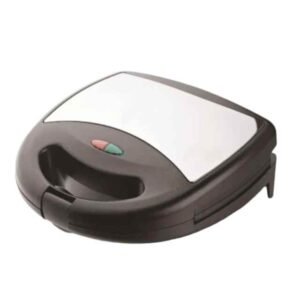
National Gold Sandwich Maker in Pakistan
What this category includes
From simple 2-slice triangle toasties to grill/panini plates and 3-in-1 multi-plate kits, National Gold sandwich makers cover everyday breakfasts and café-style melts at home. Non-stick plates, pilot lights, and easy-grip handles make them practical for quick meals in student hostels and family kitchens.
Browse National Gold sandwich maker models
Who it’s for
Busy families who want sealed sandwiches that don’t spill fillings in lunchboxes; students and office pantries that need compact, easy-clean appliances; and small cafés or home bakers who want quick grilled melts without a full griddle.
Pakistan-ready power & safety basics
Most locally sold models are compatible with 220–240V, 50–60Hz power and sit around the 750W class for quick heat-up. Expect cues like pilot lights, thermostatic control, overheat safety, and cool-touch handles. Always confirm on the specific product page before buying.
Why choose National Gold sandwich makers
Everyday convenience at home
Non-stick plates help food release and speed up cleanup. Compact bodies store vertically, while firm-grip handles help you press stuffed sandwiches safely.
Consistent results without guesswork
Thermostatically controlled heating and status lights let you preheat, load, and time your toasties reliably—reducing under-toasting or burnt edges on busy mornings.
Practical safety call-outs
Look for overheat protection and secure latches. Use heat-resistant utensils to protect the non-stick coating, and unplug after use to extend plate life.
Model & plate types — find your fit
Fixed triangle plates (classic 2-slice toasties)
The familiar triangle seal plate makes neat, sealed toasties—great for lunchboxes so chutney or cheese doesn’t leak. Works best with common Pakistani bread slices; trim edges if you’re using extra-wide loaves.
Grill / panini plates for crisp ridges
Grill plates press from both sides to add sear lines and vent steam—handy for paratha wraps, tikka-cheese melts, or reheating kebab rolls without turning them soggy. Cool-touch handles and secure latches help you press fuller sandwiches safely.
3-in-1 multi-plate kits (sandwich, grill, waffle)
If you want variety for family snacks, a multi-plate model swaps between sandwich, grill, and waffle plates. Confirm the exact kit contents and care instructions on the product page before ordering.
Prices & what’s in the box (Pakistan context)
Typical price bands & what affects them
Final prices vary by wattage (heat-up speed), plate options (fixed vs multi-plate), build (plastic vs stainless details), and stock/import cycles. Multi-plate kits usually cost more than basic 2-slice units because you’re paying for extra plates and mechanisms. If you need better coating quality or a sturdier latch, avoid chasing the lowest tag.
In-box checklist
Match the listing against these basics: the main unit with latch and status light; plates as advertised (triangle/grill/waffle where applicable); user manual and care instructions.
Warranty & support at purchase time
On the product page, look for a warranty note or contact indicator. If unclear, call the store before checkout to confirm coverage and how to claim.
See all sandwich makers
How to choose — quick buying checklist
Wattage & heat-up speed
Higher-wattage sandwich makers generally preheat faster and recover heat better after you load a filled sandwich. Around 750W is a practical middle ground for everyday breakfasts. For back-to-back sandwiches, prefer models that advertise quicker heat-up and even heat distribution.
Plate coating & long-term care
Most units use non-stick plates. To keep them performing: avoid metal utensils, don’t scrub with abrasives, and wipe while warm (unplug first). A light brush of oil on the bread exterior can help release and improve color. Check care instructions if plates are removable—some are hand-wash only even when detachable.
Size, latch, cord & safety touches
Measure your counter and cabinet clearance; compact bodies often store vertically if they include a storage lock. Check the latch for firmness if you like stuffed sandwiches. Cool-touch handles, non-slip feet, and a longer power cord improve day-to-day usability.
Usage tips for better toasties (Pakistan examples)
Quick, reliable fillings
Chicken tikka & mozzarella; aloo masala & cheddar; hunter beef with green chutney and cheese. Brush the outside bread lightly with oil for color and release.
Let the maker preheat fully, then load and lock; open only when the pilot light cycles to avoid pale centers.
Energy-smart habits during load-shedding
Preheat once, then batch two or three rounds while the plates are still hot. Keep fillings dry so you don’t waste energy steaming off moisture. Unplug as soon as you’re done and leave the lid slightly ajar to release trapped heat.
Easy cleaning routine that protects non-stick
Unplug and let plates cool from hot to warm. Wipe with a soft damp cloth, then a dry cloth. For stuck bits, lay a damp paper towel on the warm plates for a minute to soften, then wipe—no metal tools. Clean the hinge area and latch periodically so crumbs don’t affect closure.
Compare alternatives & related categories
National Gold vs other brands
Compare by plate options (fixed vs multi-plate), coating quality, wattage/heat-up, warranty clarity, and stock availability. If you’re cross-shopping, review Kenwood models for feature/price balance.
Explore Kenwood sandwich makers
When a toaster or air fryer might be better
Choose a toaster if you mainly want quick slices without fillings. Pick an air fryer if you also want to reheat, crisp paratha, or do small snacks with less oil.
Shop toaster category
Shop air fryer category

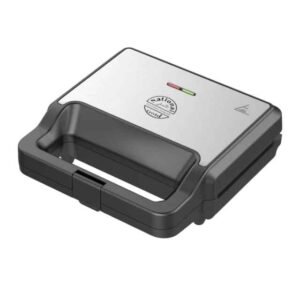
 Kitchen Appliances, National Gold Sandwich Maker, Sandwich Maker
 Kitchen Appliances, National Gold Sandwich Maker, Sandwich Maker