
Anex Iron
Showing all 7 results


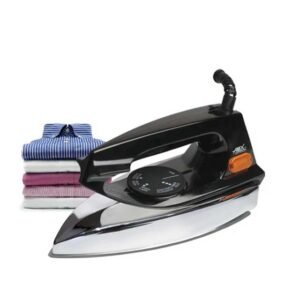

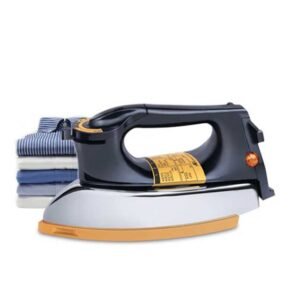
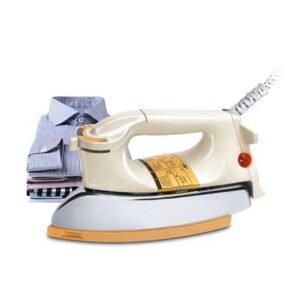

Showing all 7 results
Anex Iron in Pakistan — Original, Official Warranty & Fast Delivery
If you’re shopping for an Anex iron in Pakistan, this page gives you a clear path to the right pick—whether you need a quick steam fix for everyday clothes, a classic dry iron for uniforms, or a garment steamer for delicate fabrics. Browse our Anex iron selection at Emirates Electronics, based in Karachi, where we supply genuine products with official warranty and responsive after-sales support, so you can buy with confidence and get reliable help if you ever need it.
Below, you’ll find simple shopping paths, local care tips, and practical selection criteria—so you don’t waste time guessing specs or comparing random lists. Use the “Shop by Type” to jump straight to what fits your fabrics and routine.
Shop Anex Irons by Type
Different homes and fabrics call for different tools. Here’s how to choose the type first, then the model. Each section explains when that type shines, the features that matter, and small usage tips for Pakistan’s water and electricity conditions.
Steam Iron — for daily wear & mixed fabrics
Pick a steam iron if your wardrobe mixes cotton, lawn, denim, and synthetics and you want faster wrinkle removal. A steam burst helps relax fibers so you spend less time over each patch. Look for steady steam output, quick heat-up, and an anti-drip valve so water doesn’t leak at low temperatures. You can also explore models in our Steam Iron category to compare options.
In humid coastal cities like Karachi, garments can crease quickly after drying. A steam iron with a decent water tank lets you refresh trousers and shirts before you head out. If you press a lot of cotton shalwar kameez or office shirts, a steam iron gives you speed without needing a heavy hand.
Dry Iron — for crisp uniforms & budget control
Choose a dry iron if you want a straightforward tool that heats quickly, holds a stable temperature, and is easy to maintain. Dry irons are often lighter on the wallet and perfect for school uniforms, workwear, and synthetic fabrics where too much steam can cause shine or water spots.
They also draw steady power and are simple to store. For homes using stabilizers or UPS during load-shedding, a dry iron can be the more predictable choice—no pump or steam system to manage. If you prefer long, smooth strokes and a glossy finish on formal wear, a dry iron keeps things simple and consistent.
Garment Steamer / Steam Press — for delicate outfits & quick refresh
When you need fast touch-ups on abayas, suits, and layered outfits, a garment steamer avoids direct plate contact. It’s gentle on embellishments and printed designs, helps remove odors, and tackles light creases without setting up an ironing board. For homes with limited space, a compact steamer can live in a corner and be ready in minutes.
If you handle a lot of chiffon, silk blends, or synthetic athleisure, a steamer’s vertical steam can be safer than high-heat plates. For extra-crisp pleats or heavy jeans, combine a steamer for quick de-wrinkling with occasional pressing from an iron when needed.
How to Choose the Best Anex Iron for Your Home
Wattage & Heat Control — understand 1,600–2,000W+ tiers
Wattage affects how fast an iron heats and how well it maintains temperature during long sessions. Around the 1,600–1,800W tier, you’ll get reliable performance for shirts, lawn, and light denim. Moving closer to 2,000W and above, heat-up is quicker and steam recovery is stronger—useful for thicker fabrics or when several outfits need pressing back-to-back.
Balance this with your home’s power setup. If you regularly use a stabilizer or UPS during outages, consistent but moderate wattage may be smarter than chasing the highest number. Look for precise thermostats with clear fabric icons; they help reduce scorching on synthetics and dyed cottons common in local wear.
Soleplate Options — Non-Stick vs Ceramic
Non-stick plates are easy to glide and simple to clean if you accidentally hit a synthetic print. They suit mixed laundry baskets and busy routines. Ceramic plates spread heat evenly, resist scratches better, and feel smoother on dense fabrics like denim or thick cotton. If you iron uniforms daily, ceramic can make long sessions feel lighter on the wrist.
Care is simple: let the plate cool, then wipe with a soft cloth. If residue builds up, use a small amount of plate cleaner or a damp microfiber—not abrasive pads. For prints, turn the garment inside-out or use a thin pressing cloth to protect designs. Matching the plate to your main fabrics will do more for results than any single “pro” feature.
Steam & Water Tank — anti-calc basics for Pakistan’s tap water
Steam irons deliver their best performance when the water system stays clean. In many Pakistani cities, tap water contains minerals that settle inside the tank and steam vents over time. If you’ll use tap water, empty the tank after each session and let the iron cool with the plate facing down on a heat-safe stand so remaining droplets can evaporate. This simple habit slows scale build-up and keeps steam output consistent.
If your area has very hard water, alternate between tap and filtered water, or use filtered most of the time and reserve tap for quick jobs. Look for anti-calc or self-clean functions—these purge mineral deposits from the steam channels. Running a self-clean every few weeks (or sooner if you notice reduced steam) helps avoid spitting and brown water spots on light fabrics. For a deeper refresh, follow the brand’s cleaning guidance; when allowed, a mild descaling routine (never harsh chemicals) can restore steady steam. Always rinse the tank afterwards and fire a few steam bursts over a sink before pressing clothes again.
Safety Must-Haves — auto shut-off, anti-drip, cord protection
Auto shut-off is a high-value safety feature, especially with frequent load-shedding or distractions at home. If the iron senses inactivity while resting horizontally or vertically, it powers down after a short interval. That reduces scorch risk and saves electricity. Anti-drip valves prevent water from leaking through the soleplate at low temperatures—useful when you switch from cotton to synthetics mid-session.
Check cord length and strain relief. A flexible joint where the cord meets the iron reduces fraying; a swivel design keeps the cord from twisting as you change hand angles. If you iron on a stabilizer or UPS, use a properly rated socket and avoid daisy-chaining multiple heavy appliances. After use, cool the iron on a heat-safe surface, unplug, and store with a gentle loop in the cord—tight wrapping can break internal wires.
Why Buy Anex from Emirates Electronics
Official Warranty & Genuine Stock — simple verification steps
Buying an Anex iron with the official warranty protects you from counterfeit parts and gives you access to authorized service. When your order arrives, verify three things before discarding packaging: (1) the warranty card is present and stamped (or contains a verifiable code/serial); (2) the product labeling matches the box (model name/number and rated wattage); and (3) the accessories and manual match the contents list. Keep your invoice and the warranty card together—both are typically required for claims. If anything looks off, contact us immediately for guidance before first use.
Emirates Electronics sources genuine stock and performs basic checks prior to dispatch. If you need help choosing between non-stick and ceramic variants, or deciding whether 2,000W is worthwhile for your routine, our team can compare options with you by phone or WhatsApp and point you to models that match your fabrics and budget.
Delivery & Payment (Karachi & Nationwide)
We deliver across Pakistan, with Karachi often enjoying the fastest fulfillment due to proximity. Delivery timelines and charges can vary by city and courier workload, public holidays, and weather conditions. At checkout, you’ll see the latest estimates for your address. For policy details and typical timelines, see our Shipping & Delivery page. If you’re in a hurry, you can ask our team for the most realistic window for your location before placing the order.
Common payment methods include Cash on Delivery and bank transfer. Where available, you can also prepay to reserve limited stock during high-demand periods. For multi-item orders—like pairing a steam iron with a garment steamer—our team can help consolidate shipping or suggest value bundles when they appear on the site. If your building has restricted delivery hours, please add a note at checkout so the courier can coordinate more smoothly.
After-Sales Support — talk to a real person
If you have a question about performance, care, or warranty, you can reach us on 0339 2009000. You’ll speak with someone who can troubleshoot common issues (like low steam or plate residue), help you verify originality, and guide you through the warranty process where applicable. For many quick fixes—such as restoring steam after scale build-up or removing melted synthetic from the soleplate—we can walk you through safe, fabric-friendly steps so you can get back to ironing without a service visit.
Message us during business hours (Pakistan Standard Time) for the fastest response. If you contact us after hours, leave a note with your order number and a short description of the issue; we’ll get back to you the next working day. Keep your invoice and warranty details handy—this speeds up support.
Live Prices & Availability (Auto-Updating on Product Tiles)
Price Guidance Without Guesswork
Prices change with stock, promotions, and currency swings, so we don’t freeze numbers in the text. Instead, rely on the product tiles you see on this category page—those are the live, accurate prices for each model. When you open an item, the detail page shows current price, stock status, and what’s included in the box. If a model goes out of stock, you’ll see that reflected there first. To compare across options, open two or three product tabs and check wattage, soleplate type, and feature highlights side-by-side.
If you’re working with a fixed budget, use the page filters (price, type, soleplate, wattage) to land on the best match quickly. For Karachi shoppers, note that “available for same- or next-day dispatch” indicators (when present) are usually the most accurate guide for speed rather than the text on a general page like this one.
Promotions & Bundles — how to spot genuine value
From time to time, you may see Deal or Bundle tags on specific product tiles. These highlight short-term discounts or value combos—like adding a basic garment steamer to your primary iron at a lower combined price. Check what’s actually included and whether the extra item fits your routine; a bundle only saves money if you’ll use both pieces. If a discount seems unusually large, verify that the model number and features match your needs and that the warranty remains official—never trade away buyer protection for a short-lived price cut.
For students and families managing frequent uniform pressing, a promotion on a ceramic-soleplate or higher-wattage steam iron can be worth locking in, especially before exam seasons or festive periods when stock moves fast. If you’re undecided, save the product to your shortlist and revisit within the promotion window so you don’t miss a time-limited deal.
Featured Filters (Find Your Match Faster)
Filter by Type — Steam, Dry, or Garment Steamer
Start with the type of appliance that fits your routine. Select Steam Iron if you want quick wrinkle removal across mixed fabrics and rely on steam bursts for everyday shirts and shalwar kameez. Choose Dry Iron if you prefer crisp, plate-only pressing for uniforms and synthetics without moisture. Pick a Garment Steamer when you handle delicate outfits, layered abayas, or printed designs that shouldn’t meet a hot plate directly.
By filtering type first, you immediately remove models that don’t match your use-case and avoid feature overload. If you’re undecided, shortlist one option from each type and compare wattage, soleplate, and safety next. Karachi’s humid climate makes steam convenient for quick refreshes, while dry irons excel at long, smooth strokes for formal wear. A small steamer can be a smart add-on for delicate pieces even if a steam or dry iron is your main tool.
Filter by Wattage — ≤1600W, 1800–2000W, 2000W+
Wattage affects heat-up time and temperature recovery. Use the ≤1600W filter if you iron occasionally or prefer lower draw on stabilizers and UPS. Pick 1800–2000W for everyday performance that handles cotton, lawn, and light denim without slowing down mid-session. Go 2000W+ when you want the quickest heat and stronger steam for thicker fabrics or back-to-back outfits.
Remember that a higher number isn’t automatically better for every home. Match wattage to your fabrics and power setup, especially if voltage fluctuations are common. If your main goal is steady results and predictable bills, the middle tier offers an excellent balance. For households with frequent uniform pressing, aiming for the 1800–2000W band often feels “fast enough” without the extra draw.
Filter by Soleplate — Non-Stick vs Ceramic
Use Non-Stick when you want easy glide and simple cleanup after accidental contact with synthetics or prints. Non-stick plates are friendly for mixed laundry baskets and quick sessions before work. Choose Ceramic if you prioritize even heat, smoother glide on dense fabrics, and better scratch resistance over years of use. Ceramic can help reduce hot spots that cause shine marks on tricky textiles.
When comparing, think about the garments you press most. For school uniforms and office wear with heavier cotton, ceramic feels smoother and stays consistent across a full pile. For fashion-forward blends and delicate designs, non-stick offers forgiving cleanup and less risk when you’re in a hurry. If you frequently alternate between both, shortlist one of each and decide based on the handle feel and weight you prefer.
Filter by Safety — Auto Shut-Off, Anti-Drip, Stable Rest
Tick Auto Shut-Off if you share the iron at home or multitask during load-shedding; it powers down after inactivity to reduce scorch risk. Select Anti-Drip to avoid water spots when you’re pressing at lower temperatures for synthetics and delicates. Consider irons with a Stable Heel Rest and robust cord strain relief—both help prevent accidents between garments and extend the iron’s lifespan.
Safety filters aren’t just for anxious users; they protect fabrics as much as they protect your home. An anti-drip valve keeps your pace steady when switching from cotton to polyester, and a reliable heel rest reduces “tip-over” moments on crowded boards. If you iron around kids, pets, or tight spaces, prioritize these filters before you narrow by wattage or soleplate.
Filter by Warranty — Official Warranty
Choose Official Warranty to narrow the grid to genuine stock backed by the brand’s authorized service. This gives you access to repair or replacement processes that require proof of purchase and a valid card or code. It’s especially important if you iron several times a week and count on the appliance for uniforms and office wear.
When you open a product page, check that warranty details are clearly listed with the model. Keep your invoice and warranty card together once the order arrives. If originality matters to you—as it should—filtering by warranty is the simplest way to avoid grey or imported units that may not qualify for service in Pakistan.
Quick Compare (Mini Table Above the Grid)
A short comparison table helps you shortlist faster before diving into individual pages. Focus on five columns: Type, Wattage Tier, Soleplate, Safety (auto shut-off / anti-drip), and Warranty. Use it to build a two- or three-item shortlist that matches your fabrics and budget, then open those products in tabs to confirm details and current price.
Here’s how to read the table effectively: if you mostly press cotton shirts and denim, a steam iron in the 1800–2000W band with ceramic and auto shut-off will feel smooth and secure. If you want budget control and plate-only precision, a non-stick dry iron is often the right pick. For delicate abayas or embellished outfits, a garment steamer with official warranty makes quick refreshes safer. Once you’ve shortlisted, compare handle comfort, weight, and cord length—areas that affect real-world use but rarely appear in spec lists.
Care & Maintenance (Pakistan Conditions)
Descaling & Water Choice — keep steam channels clear
Mineral content in tap water varies by city and neighborhood. If you notice reduced steam, spitting, or brown droplets, it’s time for maintenance. Empty the tank after each session, then allow the iron to cool so residual moisture can evaporate. Run the brand’s self-clean or anti-calc routine at the interval suggested in the manual; if your area is known for hard water, do it more often.
When descaling is allowed by the brand, use only mild, approved methods—never harsh chemicals that can damage seals or internal coatings. After any cleaning, rinse the tank thoroughly and blast a few steam bursts over a sink or towel before touching clothes again. For very hard water areas, rotate in filtered water to slow scale build-up while still keeping operating costs reasonable.
Cord Care & Storage in Humid Weather — prevent hidden damage
Cords fail most often at the joint where they meet the iron. Always unplug by holding the plug body, not the cord, and avoid tight wrapping while the iron is warm. A gentle loop is better than a sharp coil; it prevents internal wire breaks that cause intermittent power issues. Use the heel rest on a heat-safe surface until the plate cools fully before storage.
Humidity and salt air in coastal cities can accelerate wear. Store the iron in a dry spot with airflow, not inside a sealed plastic bag that traps moisture. If you use an ironing board cover, keep it clean and dry so residue doesn’t transfer back to the plate. A quick monthly check for frayed insulation or loose strain relief helps you catch problems early.
Fabric-First Settings — lawn, chiffon, denim, and school uniforms
Match the temperature to the most delicate fabric in each garment, then increase only if wrinkles persist. For lawn and chiffon, start low and use steam lightly, pressing through a thin cloth if needed to avoid shine. For denim and heavy cotton, step up the heat and use steam in bursts, pressing seams and pockets with deliberate strokes. For school uniforms, ceramic plates provide smooth glide and even heat, while non-stick helps if the fabric includes synthetic blends.
Always test on a small, hidden section when you’re unsure of the blend. Turn printed T-shirts inside-out and avoid direct contact between hot plates and transfers. When pressing embroidered or embellished abayas, rely on vertical steaming or press from the reverse with a cloth. With a bit of practice, following fabric signals—shine, resistance, or dampness—becomes second nature and prevents mistakes.