Shop Anex Kettle in Pakistan — Models, Features & Buying Guide
What you’ll find on this page
This is your practical, no-fluff guide to choosing the right Anex kettle for your home, hostel, or office in Pakistan. You’ll get a quick snapshot of popular models available in 2025, what features actually matter day-to-day, and how to pick capacity and material for your routine. We’ll also explain common feature terms you’ll see on product cards—like 360° cordless base, auto cut-off, and removable filter—so you can understand the benefits before you buy. For current prices and availability, you can browse live product cards or call our team for the latest guidance before checkout.
If you prefer to explore first, start with the main category page and scan the tiles for capacity, material, and feature badges that match your needs. We keep the copy people-first and model-dependent, so you’ll never see blanket promises about specs or warranty that don’t apply across the range. As rupee movements and supply conditions change, we recommend confirming the day’s price prior to ordering. When you’re ready, you can view all listings here: Anex Kettle Category — Emirates Electronics.
Who it’s for
Students and hostel residents who want fast chai or noodles will appreciate compact kettles with easy pour and quick boil. If counter space is limited, a 1.0–1.5-liter option keeps the footprint small while still handling two to three mugs. Office users typically prioritize speed and safety features because the kettle will be shared, used frequently, and often unplugged and plugged back in; a 1.7-liter option with auto cut-off and a stable 360° base is a solid fit. Families in apartments or joint households may prefer larger capacities and sturdier materials like stainless steel or glass for day-to-day durability.
Tea lovers who care about taste sometimes prefer glass or stainless steel to reduce lingering odors and make descaling straightforward. If you’re in a hard-water city such as Karachi or Lahore, a removable filter helps catch scale and improve pour clarity over time. Those with frequent voltage fluctuations can benefit from models with reliable auto cut-off and boil-dry protection, reducing misuse risk if the kettle is left on. Whichever profile sounds like you, we’ll map each need to the right capacity, material, and feature set below.
Warranty note
You will often see “2-year warranty” language on many product pages for Anex kettles, but coverage is always verified per individual model and batch at the time of purchase. We avoid blanket claims here because availability, terms, and processes can differ between items and over time. To stay accurate, please check the warranty details listed on the specific product page and ask our team to reconfirm before you finalize your order. Keep your purchase receipt and the brand warranty card so you can access support if you need it later.
If you have any questions about what a warranty covers in practice—such as heating element issues, auto cut-off behavior, or lid mechanisms—call or WhatsApp our store at 0339 2009000. We’ll help you understand what’s standard for the model you’re considering and how to proceed if you ever need service. Our goal is to keep the buying experience straightforward, with clear guidance and no over-promising. When you’re ready, jump to the model highlights below and shortlist two or three options that fit your routine.
Popular Anex Kettle Models (2025)
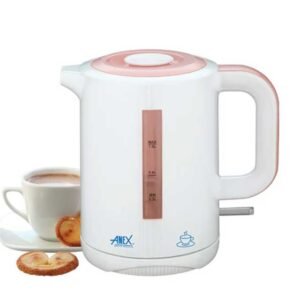
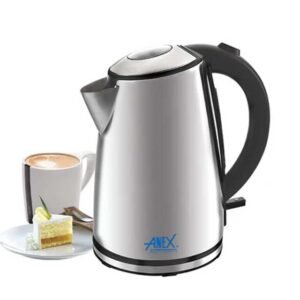
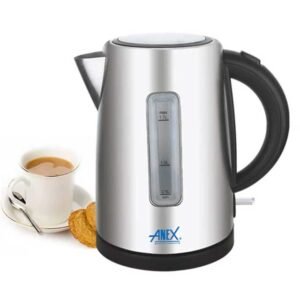
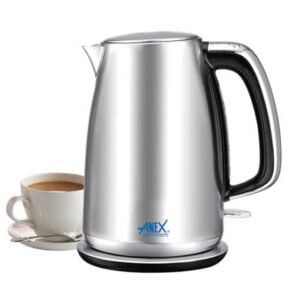
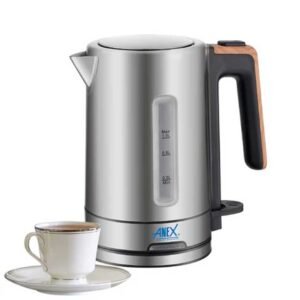
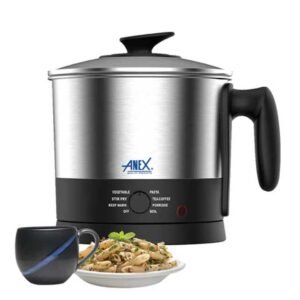
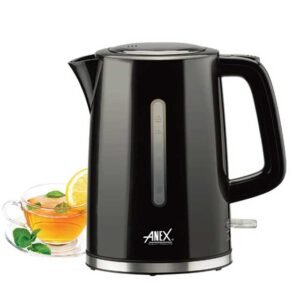
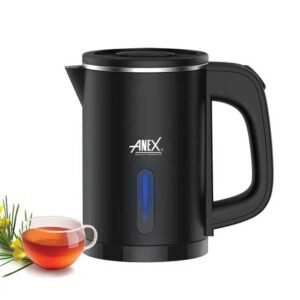
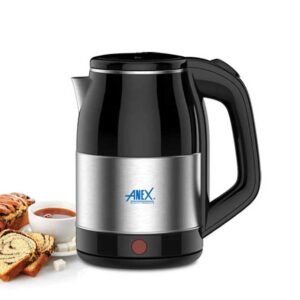
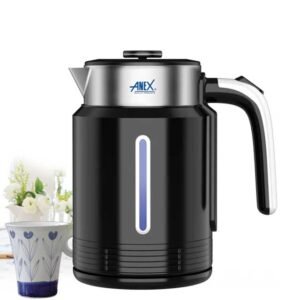
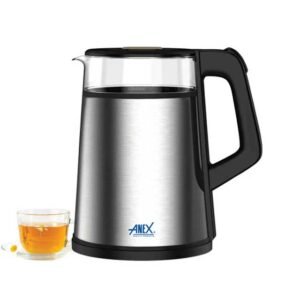
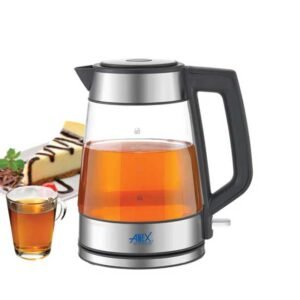
Model highlights (AG-4046, AG-4047, AG-4048, AG-4053)
Across the current lineup, you’ll see familiar themes: family-friendly capacities up to about 1.7 liters, practical safety features, and designs that fit modern Pakistani kitchens. The AG-4046 is commonly associated with a straightforward, daily-use profile where speed and ease of pouring matter more than aesthetic flair. The AG-4047 typically shifts emphasis to material and finish for buyers who care about look and feel on the countertop. The AG-4048 often appeals to users who want a crisp, modern design language while keeping the same core boil-fast, pour-clean priorities. The AG-4053 may target shoppers who want a robust build and confident handling for frequent use at home or small offices.
Because features can vary by batch and listing, always read the exact product card before you purchase. Look for the essentials you care about: capacity that matches your household, a secure lid mechanism, and a heating element that supports quick boil performance. If you entertain frequently or prepare multiple cups back-to-back, shortlist the 1.7-liter options for fewer refills. For those tight on space, a slightly smaller footprint can be a pleasant daily convenience. We’ll show you how to compare capacity, materials, and power in the next sections so your shortlist becomes a confident pick.
Badges you’ll see while browsing
We use simple, human-readable badges across product tiles to help you scan quickly and avoid decision fatigue. These badges summarize the points most shoppers care about in Pakistan—size, speed, safety, and cleaning—without burying you in technical jargon. As you compare items, look for a consistent set of terms so you can make apples-to-apples decisions and spot the differences that matter to your routine. Below are common badges and how to think about them.
- 1.7-liter — family-friendly capacity for tea runs and back-to-back cups.
- 1850–2200W class — quick boil behavior (exact wattage varies by model and listing).
- Auto cut-off — safety convenience that stops heating when water reaches boil.
- 360° cordless base — easy lift, set-down, and rotation for shared counters.
- Removable filter — helps reduce scale flakes in hard-water areas.
Use badges as a starting point, then open the individual product to verify specifications, finish, and included accessories. If you’re weighing two similar models, favor the one with a lid mechanism you find more intuitive and a handle that feels secure in your grip. The right kettle feels effortless in daily use: quick to fill, steady to pour, and simple to clean. When in doubt, message us a photo of your space and family size—we’ll recommend a short list that fits your setup.
How to pick the right model (capacity, speed, material)
Start with capacity. Singles, students, or couples who brew two to three cups at a time can be perfectly happy with around 1.0–1.5 liters, saving counter space without sacrificing convenience. Families and shared offices should consider 1.7-liter kettles to reduce refills during peak tea time. Next, think about speed and power class. In practical terms, the 1850–2200W range supports brisk boil performance on Pakistan’s 220–240V supply, but the real-world feel depends on kettle design, element, and fill level.
Finally, choose the material that fits your preference and city conditions. Stainless steel is tough and timeless, a solid match for frequent use and easy descaling. Glass gives a clean, modern look and lets you see the water level at a glance; it also makes it easier to monitor scale buildup in hard-water areas. High-quality plastic models can be lighter and quieter, which some users prefer for night brews or shared dorm rooms. If you’re on the fence, shortlist one stainless and one glass model, then compare lids, spouts, and handle comfort before deciding.
Anex Kettle Price in Pakistan — How Pricing Works
Why prices move in Pakistan
Kettle prices in Pakistan are dynamic. Exchange-rate changes, customs duties and sales tax, fuel and freight costs, and even seasonal demand can nudge retail prices up or down. When the rupee strengthens, landed costs may ease; when it weakens or shipping surcharges rise, prices tend to lift. Stock positions also matter: a popular 1.7-liter model may be temporarily higher if supply is tight, while a similar capacity in another finish could be more affordable simply because it’s better stocked. That’s why you’ll see “current price on product page” rather than a fixed number in long-form guides like this one.
Brand packaging cycles and minor model refreshes are another factor. If Anex updates finish options or accessories for a batch, older inventory might be discounted while the refreshed batch debuts at a different price point. Finally, local costs—rent, utilities, and staffing—create small differences between retailers. Our goal is to keep the process transparent: we’ll show you how to check the day’s live price quickly and how to evaluate value beyond just the number.
How to check today’s price fast
For the most reliable price, open the product card of the exact model you want and look for the current price next to availability. If you’re comparing two or three kettles, keep each tab open so you can weigh capacity, material, and feature differences alongside the live figures. When you’re close to a decision—or if a listing looks unclear—call or WhatsApp our team at 0339 2009000. We’ll confirm price, color/finish availability, and lead time so you don’t hit any surprises at checkout.
If your budget is fixed, tell us the ceiling and your must-have features (for example: “1.7-liter, stainless steel, auto cut-off”). We’ll shortlist models that meet those requirements first, then add any nice-to-have touches—like illuminated indicators or specific lid mechanisms—only if they fit your number. This approach keeps decision time short and avoids overspending on extras you won’t use.
Saving tips without cutting corners
Value isn’t only about the sticker price. Here are practical ways to save smartly while still getting the right kettle for daily use in Pakistan:
- Prioritize capacity over cosmetic extras. If you need 1.7 liters, don’t drop to 1.5 just to save a small amount—you’ll pay in extra refills and time.
- Pick material for your city conditions. In hard-water areas, a stainless or glass interior can make descaling simpler and extend useful life.
- Double-check warranty handling. Ensure the warranty card and receipt are included; confirm how claims are processed so you don’t pay later for avoidable issues.
- Ask about bundles. If you’re outfitting a kitchen, combining a kettle with a toaster or blender can occasionally yield better overall value.
- Avoid “too good to be true.” Deeply under-market prices can signal unofficial imports or missing after-sales support.
If you’re buying for an office or hostel, consider durability and safety over ultra-low initial cost. A reliable auto cut-off and robust build reduce misuse issues and replacement cycles, which is often the real saving over a year of heavy use.
Compare by What Matters
Capacity: how much is enough?
Start with how many mugs you make per boil. A typical mug ranges around 200–250 ml. If you’re brewing two to three mugs, 1.0–1.5 liters is usually comfortable and keeps the footprint smaller for tight Karachi or Islamabad apartment counters. Families, shared flats, and small offices should look at 1.7-liter options; they reduce back-to-back boil cycles during tea rounds and cut wait times in the evening. If you often host, or you make noodles, instant soups, and coffee across the day, the larger capacity pays off in fewer refills and less juggling around the sink.
Also factor in how you use the kettle between tasks. Some households fill to a level line and re-boil repeatedly; others top up only what they need. If you’re the “just enough water” type, you can optimize speed and energy use with smaller fills even on a 1.7-liter kettle. If you routinely fill to the max, make sure the handle and pour feel balanced at that weight; a good grip and a controlled spout reduce spills around sockets and appliances.
Material: stainless steel vs glass vs plastic
Stainless steel is the workhorse. It’s durable, tolerant of busy kitchens, and straightforward to descale with a simple vinegar solution. Many buyers in hard-water zones prefer stainless because it hides minor scale marks better between deep cleans. Glass brings a premium look and lets you see the water and scale level clearly, which is helpful for timing descaling. It can run slightly warmer to the touch on the outside and needs more mindful handling, especially in households with kids. High-quality plastic models are lighter and can be quieter on the countertop; the exterior often stays cooler, which some users like for late-night brews in shared spaces.
Think about your kitchen flow and cleaning habits. If you clean weekly and prefer a clean visual, glass is gratifying. If you want something you can set and forget for busy mornings, stainless is forgiving and sturdy. For dorms or hostels where the kettle is moved frequently, lighter plastic bodies can be easier to carry, but verify build quality and lid strength. Whichever you choose, confirm that the interior around the element is easy to access for descaling and that the spout design pours cleanly without dribble.
Power & boil speed: understanding the 1850–2200W class
The commonly listed 1850–2200W range signals quick-boil capability on Pakistan’s 220–240V supply. Real-world speed depends on how much water you put in, the starting temperature, and the kettle’s element design. As a rough guide, a liter of room-temperature water in this class often reaches a rolling boil in just a few minutes, but your results will vary by model and fill level. If rapid rounds of tea matter, look for a comfortable 1.7-liter model and boil only what you need each time—partial fills heat faster and taste fresher.
Performance tips are simple: keep the lid closed while heating to reduce heat loss; descale regularly so the element transfers heat efficiently; and avoid overfilling past the max line to prevent spitting and slow boils. If you’re using power strips, choose grounded, quality extensions and place the base on a dry, stable surface away from sink splashes. Good practice here protects both the appliance and your countertop.
Lid, spout & handle: small details that pay off daily
A kettle that feels right in the hand is safer and less messy. Try to visualize (or check photos of) the lid mechanism—does it lift easily for filling? Does it lock securely so steam doesn’t wobble the lid at boil? A well-shaped spout helps prevent dribbles on cups and counters, especially when you’re pouring quickly. Handles should feel balanced when the kettle is full: if the center of gravity sits too far forward, pouring can strain your wrist and increase the risk of splashes near outlets.
If you prepare tea concentrates, French press coffee, or instant foods, consider whether the spout allows a steady, targeted stream. For households with children, a cooler-touch exterior and a more upright handle can feel more reassuring. If multiple people will use the kettle, a 360° cordless base with clear visual indicators around the switch makes it easier for everyone to see when it’s on or off at a glance.
Key Features Explained (So You Know What You’re Buying)
360° cordless base
A 360° cordless base lets you lift and set the kettle down from any angle, which is perfect for shared counters in Pakistani homes and offices. Whether you’re left- or right-handed, the base orientation never gets in the way, and the central contact point is designed to seat securely with a gentle push. The result is smoother, safer handling during busy tea hours, especially when multiple people take turns. Many bases also include cord storage underneath so you can keep excess cable out of splash zones and away from stove flames.
For best results, place the base on a dry, level surface—marble, granite, or a sturdy wooden counter works well. Avoid soft mats or uneven tiles that make the kettle wobble. If you must use an extension, pick a grounded, quality strip and keep the cable path clear of water sources. A stable base and a neat cable reduce trips, spills, and accidental tugs when the counter gets crowded during chai time.
Auto cut-off & boil-dry protection
Auto cut-off is the quiet guardian of any good kettle: once the water reaches a rolling boil, the heating stops automatically. This saves energy, prevents over-boil incidents, and protects the element from needless stress. Boil-dry protection adds a second layer of safety by shutting the kettle off if it’s accidentally switched on with too little water. In households where several people use the same appliance, these safeguards are especially valuable—less watching, fewer mishaps, and a longer useful life.
Practical tips matter. Never test boil-dry on purpose; instead, learn your kettle’s behaviour by listening for the “click” of auto cut-off and watching the indicator switch. If you notice the kettle failing to shut off at boil or shutting off too early, unplug it and let it cool fully before trying again. Persistent issues mean it’s time to contact support with your receipt and warranty card. As a rule, switch the kettle off at the wall when it’s not in use, and always fill above the minimum line to keep protections working as intended.
Removable filter & concealed heating element
A removable spout filter helps catch limescale flakes and other particles, improving the clarity of your pour. This is more than cosmetic—scale can affect taste and can shed into cups if the kettle isn’t cleaned. In hard-water cities like Karachi and Lahore, a filter plus regular descaling keeps performance brisk and the inside of the kettle easier to maintain. Filters typically pull out from the spout area with a gentle tug; to clean, soak in warm water mixed with a little vinegar, rinse thoroughly, and let it dry before reinserting.
A concealed heating element (hidden beneath the base of the kettle’s interior) simplifies cleaning. Instead of scale forming on exposed coils, buildup tends to collect on the flat interior surface, which is easier to descale with a mild vinegar or citric acid solution. Concealed elements also help with smoother pours since there are fewer ridges inside to catch water. Whichever model you choose, check that you can access the filter easily and that the interior has clear max/min markers—both details make weekly upkeep less of a chore.
Indicators & lids
Good indicators make daily use frictionless. A simple power light shows at a glance whether the kettle is heating, and some models pair this with a windowed water gauge to help you fill “just enough.” Filling for the number of mugs you need reduces boil time and saves electricity—handy for quick morning routines. If you brew at night or in low light, an indicator you can see from across the room helps prevent unnecessary re-boils.
Lid design influences safety and speed. An easy, positive-action mechanism—push-button or lift-off—keeps steam away from fingers and speeds up refills. A secure seal matters when the water reaches boil; it helps direct steam through the spout and minimizes wobble. When comparing models, look closely at the lid hinge and the clearance for cleaning. Lids that open widely and stay put make it simpler to descale and rinse without bumping the sink or faucet.
Care, Cleaning & Local Water Tips (Pakistan)
First use & regular descaling
Before the first brew, rinse the interior with clean water, fill to the “max” line with fresh water, bring to a boil, and discard. Repeat once more to remove any manufacturing residues or shipping dust. This simple two-boil routine helps your first cups taste clean. After that, get into a light maintenance rhythm: empty any standing water between uses and leave the lid open for a minute so the interior can dry—less moisture means less scale and odour.
For descaling, unplug and let the kettle cool. Fill to about half or two-thirds with a solution of food-safe vinegar and water (start with 1:2—one part vinegar to two parts water). Bring to a simmering boil, switch off, and let it sit 15–20 minutes. Rinse thoroughly and boil a full kettle of fresh water once or twice, discarding each time. If you prefer odour-neutral cleaning, dissolve one to two teaspoons of food-grade citric acid in warm water and follow the same routine. Never mix vinegar with bleach or other cleaners, and avoid abrasive pads that can scar the interior.
Karachi/Lahore hard water realities—how to cope
Hard water leaves mineral deposits (scale) on heating surfaces and can cloud glass over time. You’ll likely notice faster buildup in Karachi and Lahore than in many other Pakistani cities, so adjust your cleaning cadence accordingly. A modest monthly descale is a good starting point for heavy use; lighter usage may stretch to every six to eight weeks. If you can, fill with filtered water to slow scale formation and keep flavours consistent for tea and coffee.
Removable filters are your friend—keep a spare soak bowl ready so you can drop the filter in warm water with a splash of vinegar while you wipe down the kettle’s exterior. Glass models make it easier to see when scale returns; stainless models hide it well but still benefit from a quick weekly rinse. If you’re in an area with visibly murky tap water after pipe work or rains, allow water to run clear briefly before filling the kettle, and discard any initial boil that tastes off.
Avoiding dry-boil & safe placement—everyday best practices
Most issues are preventable with a few small habits. Always check the water level sits between the minimum and maximum lines before switching on. Keep the base and kettle bottom dry to protect the electrical contacts and ensure reliable cut-off. Place the base away from sink spray, hanging towels, and curtains; steam and splashes can cause damage or create slip points on glossy surfaces.
When the kitchen gets busy, think in zones: a clear landing spot for filled mugs, a safe path from the kettle to the table, and the cable routed where elbows and bags won’t snag it. If there are children in the home, pick a corner position with less reach and rotate the spout inward after each pour. Unplug when cleaning, don’t leave the kettle unattended on a running extension, and avoid overfilling—liquid can spit through the spout at a hard boil, which is both messy and risky around sockets.
Warranty & Authenticity (What to Check Before You Buy)
Typical claims you’ll see—and why to verify per model
Many Anex kettle listings mention a “2-year warranty,” but terms can vary by model and batch. Treat the product page as your source of truth for the specific item you’re purchasing, and keep a copy of the invoice. Confirm what’s covered—heating element, switch, lid mechanism—and the process to claim support if ever needed. Verifying these details upfront avoids surprises later and helps you buy confidently.
We avoid blanket promises here because stock cycles, packaging, and distributor policies can change. If you’re comparing two similar kettles and warranty is the deciding factor, call us and we’ll confirm the latest details for each SKU. A quick chat now can save hassle down the line, especially for heavy-use households and offices.
How we help you confirm
Our team can reconfirm current warranty terms, availability, and color/finish options before you order. Call or WhatsApp 0339 2009000 with the exact model name, and we’ll check the day’s details. On delivery or pickup, ensure the brand warranty card and stamped invoice are included—keep them together for fast service if you ever need it. If anything on a product card seems unclear, we’ll clarify what’s model-dependent versus universal across the range.
For authenticity, we aim to keep listings accurate and stock sourced through authorized channels. If you spot a discrepancy or have a question about a feature listed on a product card, reach out and we’ll confirm the facts before you finalize payment.
Replacement & repair expectations
Actual remedies depend on the model and the specific issue. Generally, you’ll start with troubleshooting (power, fill level, base alignment), then proceed to assessment under the applicable warranty. We’ll advise next steps based on the manufacturer’s policy for the purchased item. Please note that misuse (for example, repeated dry-boil) can affect eligibility; the care and safety tips earlier are your best protection.
If something feels off—like premature shut-off, a lid that won’t seat, or visible scale despite regular cleaning—document the issue with a clear photo or short video. Contact us promptly with your order details so we can help steer the process efficiently.
Why Buy from Emirates Electronics
Local store, real people
Emirates Electronics
Phone/WhatsApp: 0339 2009000
Address: Office No 206, 2nd Floor, Seema Electronics Centre, Abdullah Haroon Road, Saddar, Karachi (public address)
We understand how Pakistani kitchens run—morning chai rushes, shared counters, and the need for reliable appliances that keep up. Our team helps you match capacity, material, and features to your routine, so you get a kettle that performs without fuss. When you’re ready to explore models, start here: Kettles — All Brands, Anex Blender & Grinder, Anex Juicer Blender, and Anex Toaster.
Simple next steps
Browse the Anex kettle category, shortlist two or three models that match your capacity and material preference, then call us to confirm today’s price and availability. From there, we’ll guide you through the order process in line with store policy. If you’re local to Karachi, feel free to ask about pickup options. Wherever you’re ordering from, we’ll aim for a clear, no-surprises experience.